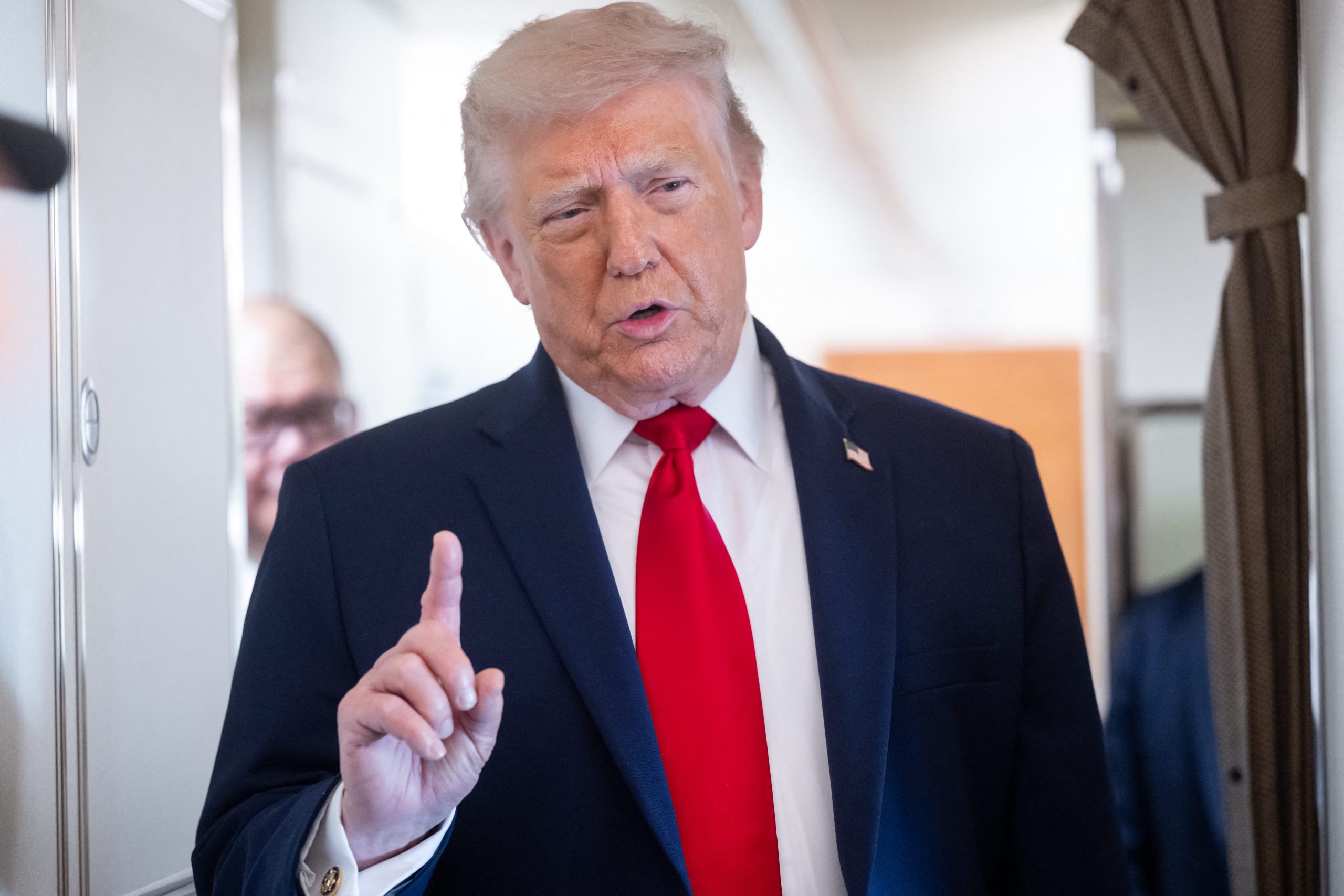
President Donald Trump accused Iran of shooting down a U.S. Apache helicopter near the Strait of Hormuz on Tuesday, vowing a response, as U.S. Central Command confirmed the rescue of the two pilots involved. The incident, which occurred near Oman’s coast, has escalated tensions in the region, with Iran denying direct responsibility but warning foreign forces to leave.
Helicopter Downed Near Oman, Pilots Rescued
The U.S. Army’s AH-64 Apache helicopter was brought down “near the coast of Oman” on Monday evening, according to U.S. Central Command, which initially withheld blame for the incident. Two pilots were rescued within two hours by U.S. Naval Forces Central Command and the 82nd Airborne Division, with the U.S. military using a drone boat for the first known maritime rescue at sea, as reported by NPR. The helicopter, part of a patrol, was identified as being in the area of the strategically vital Strait of Hormuz, a waterway Iran has effectively closed during its ongoing conflict with the U.S. and Israel.
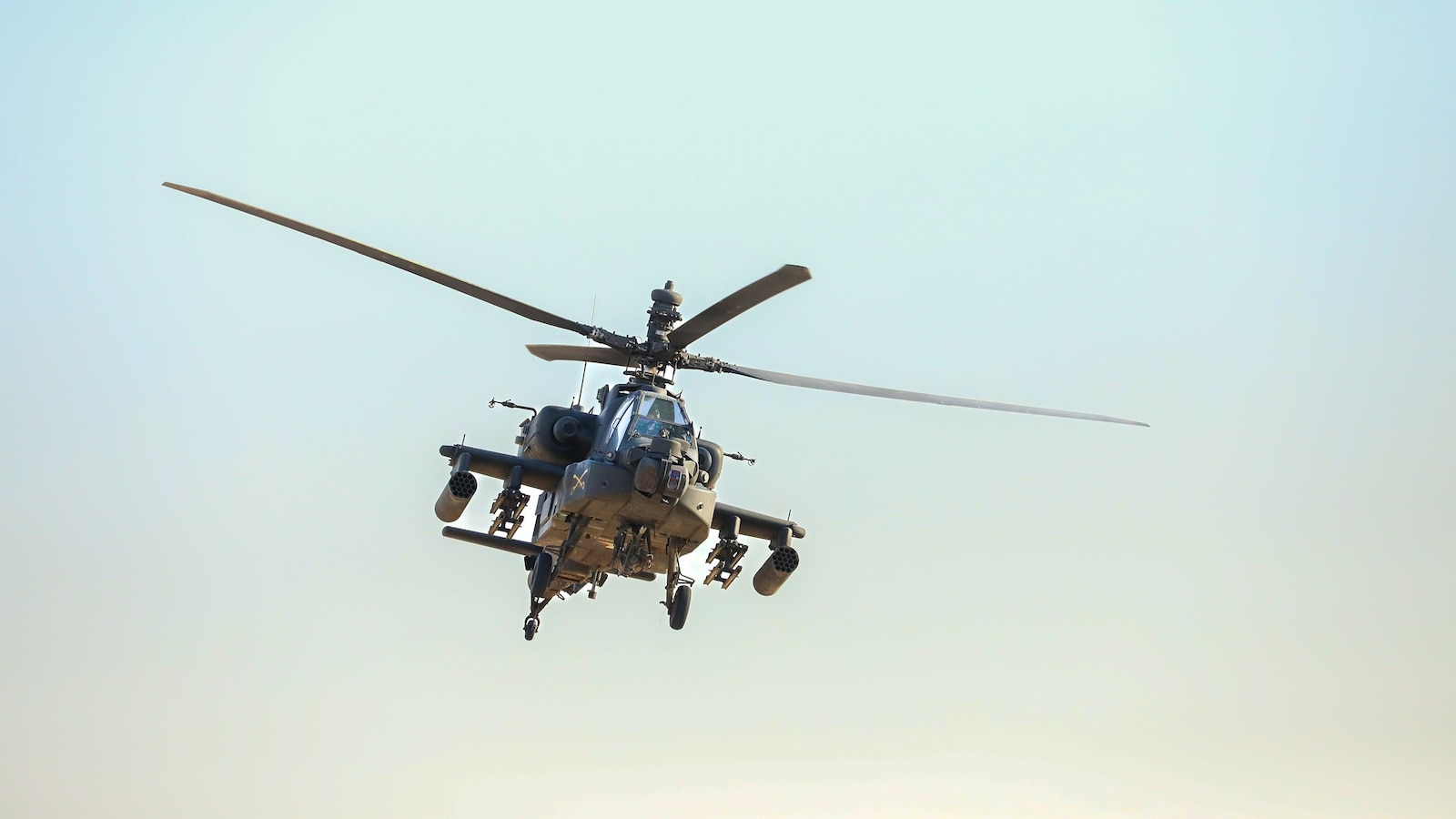
ABC News cited U.S. officials who stated the crash was likely caused by an Iranian drone, though the Pentagon has not officially confirmed this. The drone involved is the same type Iran uses to target ships in the region, according to one official. This aligns with reports from the International Monetary Fund, which noted Iran’s economic strain amid the war and sanctions, though the country’s economy remains resilient, as highlighted by CBS News.
Trump’s Response and the Prospect of a Deal
Trump, who claimed he had “just learned Iran was responsible” before posting his accusation, stated that the U.S. “must, of necessity, respond to this attack.” However, he reiterated his stance that he would not abandon the ongoing ceasefire with Iran unless U.S. troops are killed. Earlier, Trump had expressed optimism about reaching a “very, very good deal” to halt Iran’s nuclear program and reopen the Hormuz Strait, saying the agreement could be signed “in two or three days.” This follows months of stalled negotiations, with Trump repeatedly claiming a deal is near, despite no formal agreement being reached.

The U.S. and Iran’s conflict, now in its 100th day, has disrupted global energy markets, driven up prices, and intensified Israel’s military campaign against Iranian-backed groups in Lebanon. Trump’s comments came hours after Iran and Israel exchanged fire, with Iranian state television reporting at least two air-defense casualties.
Iran’s Reactions and Regional Tensions
Iran did not directly admit to shooting down the helicopter but issued statements warning foreign forces to leave its vicinity. Foreign Minister Abbas Araghchi said, “Foreign forces in proximity to our territory are at constant risk on account of their own human errors, plain accidents, or potentially being caught in crossfire,” adding, “To reduce risk, best solution is for them to leave.” The Iranian parliament’s speaker, Mohammad Bagher Qalibaf, echoed similar sentiments, stating, “We prefer the language of diplomacy, but we speak other languages far more fluently.”
Iran’s state broadcaster, Press TV, mocked Trump’s claims, quoting his assertion that the Iranian military had been “obliterated.” Meanwhile, Israeli military actions continued, with the IDF Chief of Staff Eyal Zamir claiming the recent strikes in Iran were “preparation for a much more significant and powerful blow.” Hezbollah reported clashes in southern Lebanon, and new sanctions targeting Israeli right-wing groups were announced by several Western countries, per Haaretz.
Economic Strain and Public Resilience in Iran
Despite the war and decades of U.S. and international sanctions, Iran’s economy remains “indisputably strained, but not collapsed,” according to CBS News. Business owners like Haji Karimi in Tehran’s Grand Bazaar described “not ideal” but functioning conditions, citing government measures such as tax reductions for small businesses. However, the International Monetary Fund noted a 1.5% GDP contraction in Iran last year, with food prices surging due to the U.S. naval blockade. The war has also exacerbated corruption and mismanagement, leaving many families struggling to make ends meet.

What Comes Next? A Region on Edge
The incident has raised fears of a broader regional escalation. U.S. officials are investigating whether Iran was responsible, with Axios citing two U.S. officials and a third source. Meanwhile, Trump’s calls for a deal contrast with Iran’s defiant rhetoric. The U.S. military’s use of drone technology in the rescue highlights evolving tactics, but the lack of clarity on the helicopter’s downing leaves room for conflicting narratives. Analysts suggest the next 30 days will be critical, with the potential for further military action or diplomatic breakthroughs. For now, the Strait of Hormuz remains a flashpoint, its stability vital to global trade and energy security.
