
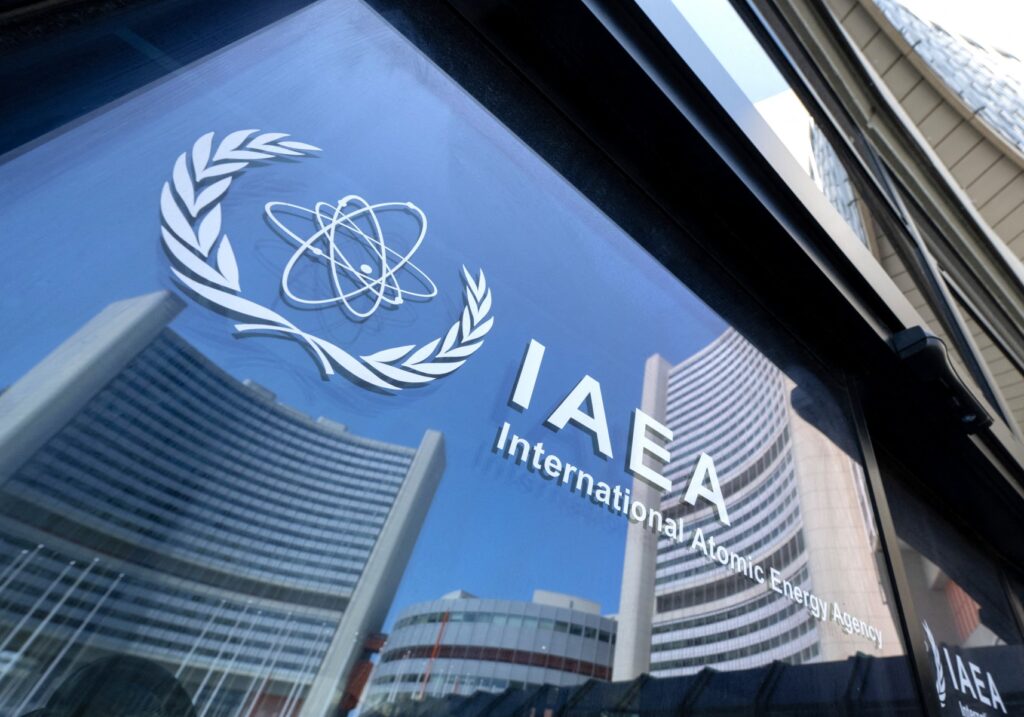
The International Atomic Energy Agency (IAEA) board passed a resolution on Wednesday, June 10, 2026, demanding that Iran provide full transparency regarding its current uranium stockpiles. This regulatory move, reported by Iran International, escalates pressure on Tehran as global monitors seek to verify the scope of the nation’s nuclear activities.
Historical Mandate and Monitoring Authority
The IAEA operates as an autonomous intergovernmental organization, established in October 1956 following U.S. President Dwight D. Eisenhower’s “Atoms for Peace” speech. According to Britannica, the agency’s core mission involves promoting the peaceful use of atomic energy while ensuring that nuclear resources are not diverted for military applications. The organization’s legal framework is rooted in its 1957 statute and the 1968 Treaty on the Non-Proliferation of Nuclear Weapons, which requires non-nuclear powers to negotiate comprehensive safeguards agreements.
These safeguards grant the agency the authority to conduct inspections and monitor facilities. With a membership of approximately 180 countries as of 2025, the IAEA relies on its Board of Governors—a 35-member body that meets five times annually—to approve these agreements and oversee the agency’s statutory functions. The Vienna-based organization continues to manage technical cooperation and nuclear safety programs, which remain the primary channels for international oversight of Iran’s nuclear program. The Board’s ability to pass resolutions serves as a formal mechanism to signal diplomatic dissatisfaction and to request that the Director General provide additional reporting on a state’s compliance with its NPT obligations.
Legal Proceedings Against Soleimani Ardestani
While international bodies focus on nuclear transparency, internal Iranian security cases continue to draw scrutiny. Soleimani Ardestani, a religious scholar and former professor at Mofid University, remains incarcerated in Qom following a conviction on eight separate charges. According to reporting by Iran International, the charges include “disturbing public opinion,” insulting leadership, and “mind control and psychological suggestion.”

The case originated from a public debate with a pro-government cleric, during which Ardestani questioned traditional Shiite accounts regarding the death of Fatemeh Zahra, the daughter of the Prophet Muhammed. The legal proceedings have unfolded within the framework of the Iranian judicial system, which often utilizes specialized revolutionary courts for cases involving perceived political or ideological threats against the state’s established religious narrative.
“stories told by religious singers or eulogists (maddahs).”
His defense, written from prison, characterized the indictment as “weak and baseless,” serving as a historical record rather than a plea for acquittal. The conviction highlights the Islamic Republic’s capacity to classify disputes over religious history as matters of national security, particularly when they involve prominent figures within the seminary world. Under Iranian law, the judiciary maintains broad discretion to interpret what constitutes “insulting leadership,” often applying these statutes to academics and clergy who challenge the state-sanctioned orthodoxy.
Political Implications of Internal Dissent
The controversy surrounding Ardestani has mobilized hardline factions, with some religious voices suggesting that his theological challenges constitute a departure from Shiite doctrine. Pro-government eulogists have played a central role in the backlash, utilizing their influence to demand his prosecution. This internal friction complicates the broader political environment in Iran, as the state navigates both international demands for nuclear transparency and domestic pressures regarding freedom of belief. The intersection of these issues—nuclear oversight and domestic ideological control—reflects a period of heightened sensitivity for the Iranian government, which has historically sought to maintain a unified front both at home and in international negotiations.
The situation remains fluid. While the IAEA board’s resolution signals a shift in international diplomatic pressure regarding uranium stocks, the domestic legal landscape remains constrained by security-focused indictments. Observers note that Ardestani does not intend to appeal his sentence unless the court agrees to a public hearing—a condition that remains unlikely given the current political climate. The IAEA resolution and the ongoing domestic trials underscore the dual challenges the Iranian state faces: managing the technical scrutiny of its nuclear ambitions while simultaneously contending with internal challenges to its cultural and religious authority.
Find more reporting in our News section.
