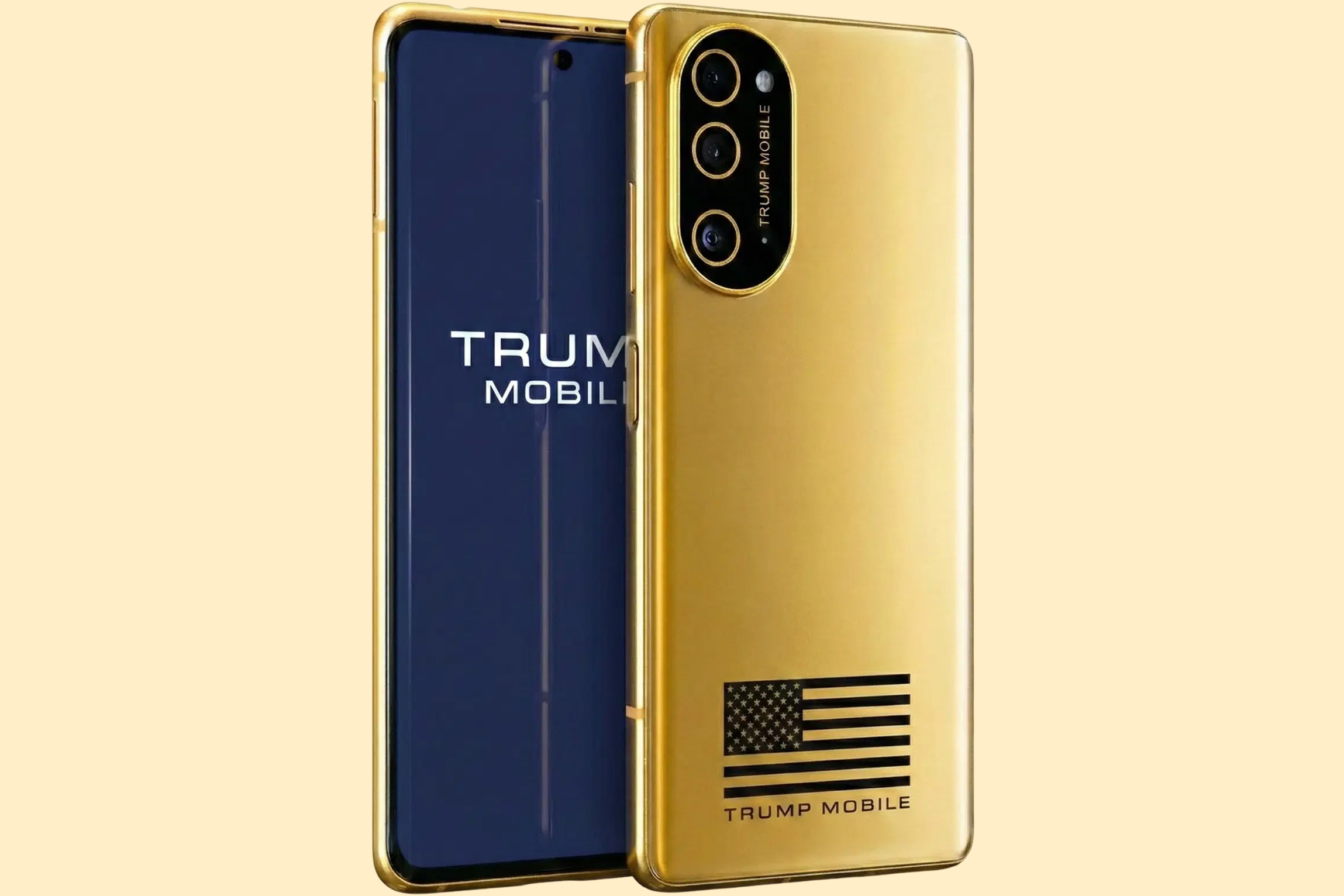
The Trump phone, marketed as a “proudly American” device, has been confirmed by iFixit to be an almost exact replica of the HTC U24 Pro, according to a teardown analysis conducted in partnership with NBC. The findings, published by The Verge, reveal that the T1 Phone shares nearly identical specifications, chassis design, and component layouts with the HTC model, despite claims of domestic manufacturing.
Teardown Confirms HTC Clone
iFixit’s detailed examination of the T1 Phone, alongside a HTC U24 Pro, uncovered functional parity between the two devices. The teardown, which included CT scans and disassembly, showed that the T1’s internal components, including the chipset and battery, closely mirrored those of the HTC model. While minor variations existed—such as a slightly larger battery in the Trump phone and differences in memory suppliers (Micron vs. SK Hynix)—the overall design and performance were indistinguishable.
“The two phones are functionally identical,” iFixit stated, noting that a hybrid device constructed by swapping the U24 Pro’s board into the T1’s casing operated seamlessly. This raises questions about the origins of the T1’s design, as HTC previously denied designing or manufacturing phones for third parties, though it sold its smartphone division to Google in 2017. The technical analysis highlights the reality of modern smartphone production, where companies often utilize “Original Design Manufacturers” (ODMs) to source pre-existing hardware platforms that are then rebranded for specific markets.
FTC Rules and Corporate Spin
The GNN HD investigation highlights the tension between Trump Mobile’s marketing and U.S. regulatory standards. The Federal Trade Commission (FTC) enforces strict guidelines for “made in the USA” claims, requiring “all significant processing” to occur domestically. However, the T1’s components—like most modern electronics—are predominantly sourced from China, India, and Southeast Asia. The FTC’s Enforcement Policy Statement on U.S. Origin Claims is designed to prevent consumer deception; if a marketer makes an unqualified “Made in USA” claim, they must be able to prove that the product is “all or virtually all” made in the United States.
Don Hendrickson, a Trump Mobile executive, acknowledged the challenges of domestic manufacturing, stating that “there might have been something put on the website” regarding the phone’s U.S. origins. The company initially claimed the T1 was “designed and built in the United States” but later revised its messaging to “proudly American” and “shaped by American innovation.” This shift in terminology is a common pivot when companies face public scrutiny over the discrepancy between nationalistic marketing and the reality of global supply chains.
Assembly vs. Manufacturing
Trump Mobile’s CEO, Pat O’Brien, emphasized that the T1 is “proudly assembled in the U.S.,” with final assembly occurring in Miami. However, the FTC’s standards for “assembly” are less stringent than those for “manufacturing,” requiring only “principal assembly” without specifying the extent of domestic involvement. Eric Thomas, another executive, described the process as “more than slapping a cover on the phone,” though he declined to detail the exact components assembled locally.
This distinction has fueled skepticism. The GNN HD report notes that while the T1’s final assembly may occur in the U.S., its core components—such as the 5,000mAh battery and chipset—are likely sourced internationally. The company’s website now avoids explicit “made in the USA” claims, instead highlighting “American hands behind every device,” a phrase without a clear definition. In the consumer electronics sector, “assembly” often refers to the final stage of putting together pre-manufactured modules, such as connecting the screen, battery, and motherboard into a housing, which constitutes a fraction of the total labor and engineering hours required to create the device.
What’s Next for the Trump Phone?
The controversy underscores broader debates about product transparency and regulatory enforcement. The FTC has not yet commented on Trump Mobile’s practices, but the case could set a precedent for how “American-made” claims are scrutinized in the tech sector. Meanwhile, the T1’s delayed launch and opaque supply chain have left consumers and journalists questioning its alignment with its branding.
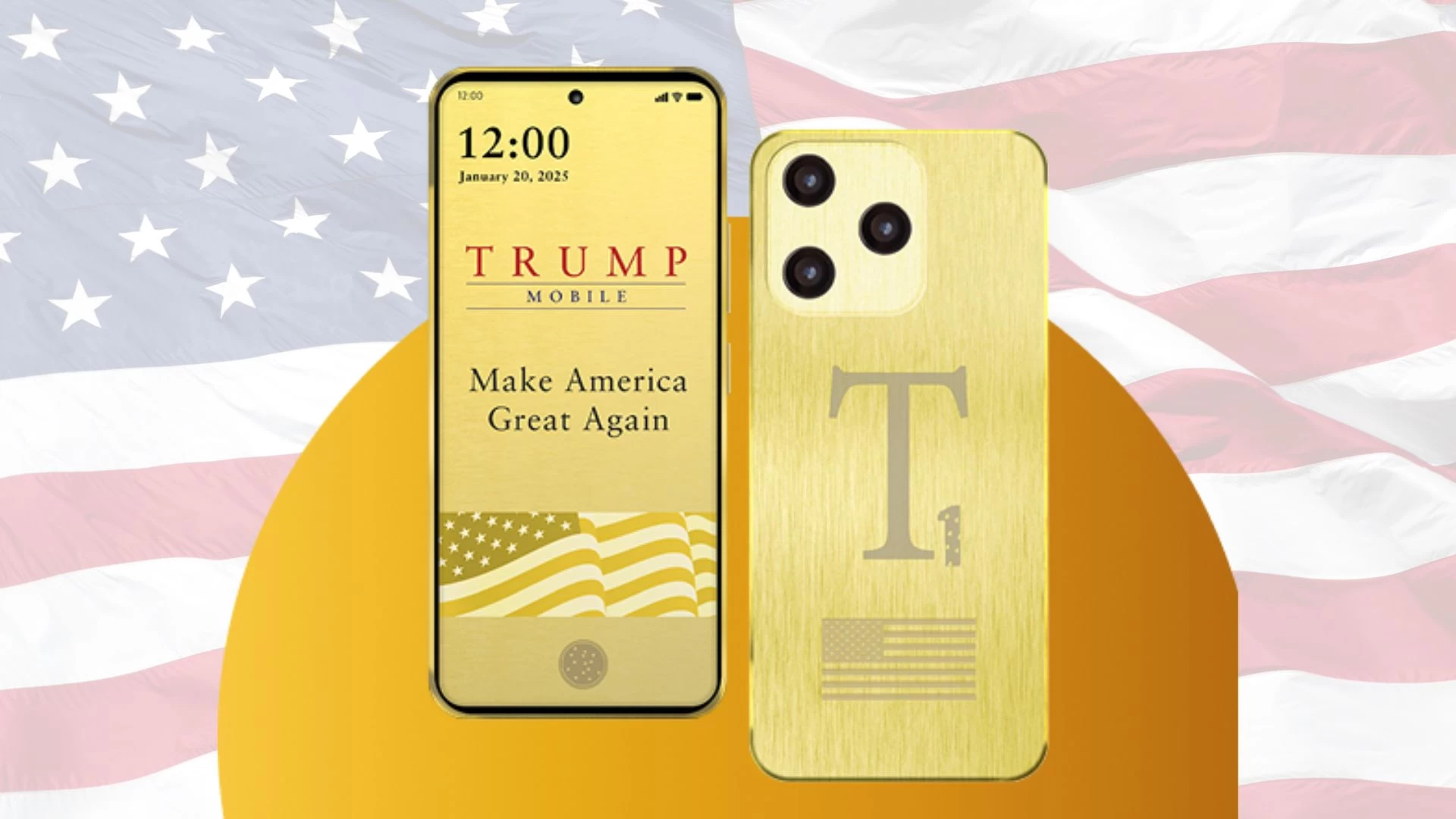
For now, the T1 remains a symbol of the gap between marketing and manufacturing in the global tech industry. As iFixit’s analysis shows, the line between innovation and imitation is increasingly blurred. Historically, when regulatory bodies investigate “Made in USA” labels, the focus is on whether the marketing creates a false impression of the product’s origin. The T1 case serves as a reminder that in an era of globalized manufacturing, the origin of a device’s intellectual property and its physical assembly are often separate, and consumers are increasingly looking for clarity on which parts of the process truly occur on American soil.
Find more reporting in our Technology section.
