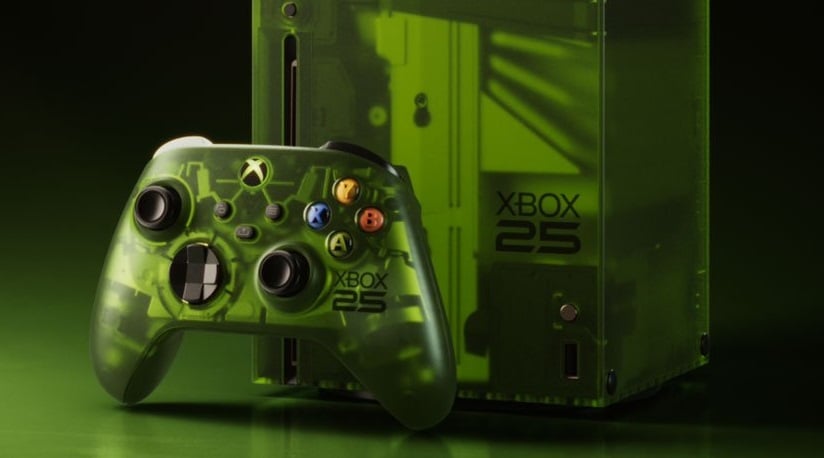
The Xbox division of Microsoft is overhauling its console business model in response to a severe cost crisis, with CEO Asha Sharma and strategy chief Matthew Ball signaling a shift toward “radically different” approaches to hardware pricing, partnerships, and subscription bundling by late 2026. The move comes as component shortages—particularly RAM and storage—have forced the company to rethink its next-generation Project Helix console, now slated for 2027, and explore flexible financing options to keep consoles affordable during an industry-wide affordability squeeze.
Why Xbox is rethinking consoles: the RAMageddon crisis
The core problem isn’t demand—Xbox consoles are outselling supply—but the soaring cost of memory and storage chips, which Ball described as a “severe limitation” in production. “We are producing them as quickly as possible,” he told VGChartz, acknowledging that Microsoft’s ability to scale is constrained by global supply chains. Sharma echoed this in a Fortune interview, calling the hardware cost crisis an “acute” challenge that could last 2–2.5 years. “On hardware, we are in a crisis right now, the entire industry is,” she said, framing the issue as systemic rather than unique to Xbox.
Photo: Windows CentralPhoto: VGChartz
The implications are clear: Project Helix, once positioned as a “very premium, very high-end curated experience” (per former Xbox president Sarah Bond’s 2025 remarks), now faces a reckoning. Sharma’s team is exploring three potential paths to mitigate costs:
Partnerships: Leveraging third-party manufacturing or distribution to improve reach, similar to how Sony has historically managed PlayStation production.
Flexible hardware tiers: Offering lower-cost variants with trade-offs in performance, storage, or features—akin to how Nintendo’s Switch Lite carved out a niche market.
Subscription bundling: Expanding Xbox All Access-style programs or ad-supported models, though Sharma stressed these would be “additive” rather than exclusionary.
Game Pass as a lifeline: Sharma’s summer pivot
Subscription services are the immediate focus. Sharma admitted in the Windows Central interview that Xbox Game Pass Ultimate’s 50% price hike in 2025 had “decayed” its subscriber base, forcing a reversal. “We had raised the prices 50% last year, and we were on the path to seeing a decay in subscribers,” she said. The turnaround? A price cut in April and a promise to “do more this summer” with “flexible offerings” to cater to different player types.
The hints are tantalizing. Kotaku reported Sharma’s suggestion of “pick-and-mix” tiers—potentially allowing players to cherry-pick Game Pass benefits (e.g., cloud gaming without full library access) or even bundle it with non-gaming services like Netflix. While Microsoft has experimented with ad-supported cloud gaming (confirmed in testing as of October 2025), Sharma’s language—”radically different”—suggests bolder moves ahead. One possibility: a free, ad-supported console tier, akin to Telly’s model for smart TVs, though no such program has been announced.
Exclusives under pressure: the affordability trade-off
Sharma’s comments on exclusives reveal a tension between platform health and publisher economics. “We’re the number two publisher in the world,” she told Fortune, acknowledging that holding back games (like Gears of War: E-Day, which Microsoft excluded from PlayStation 5 in 2025) comes at a cost. Her approach: start with “one to two signature exclusives” and scale up only as Xbox’s business improves. This marks a departure from Sony’s aggressive exclusives strategy, which has driven PlayStation’s dominance. For Xbox, the calculus is clear: exclusives must serve the platform’s survival, not just its prestige.
I Did The Impossible 1.6 XBOX 128MB RAM Upgrade! | Piggyback Method!
The stakes are higher for Project Helix. Sources report Microsoft is already testing “new techniques” to compress storage and memory requirements, potentially through AI-driven optimization or modular storage solutions. Ball framed the challenge as balancing affordability with performance: “We will have to empower customers to have very flexible storage offerings… so there’s going to be a lot of innovation.” The goal isn’t just to ship Helix but to ensure it doesn’t price out casual gamers—a demographic Xbox has struggled to retain.
What happens next: three scenarios for Xbox’s summer
Microsoft’s next moves will likely fall into one of three categories, based on the sources:
Hardware announcements: A new mid-range console or a rebadged Helix variant, possibly bundled with Game Pass. The VGChartz report suggests supply constraints may delay Helix’s full reveal until late 2026 or early 2027.
Subscription overhauls: A tiered Game Pass model with ad-supported options or hardware subsidies. Sharma’s mention of “flexible offerings” could hint at a Netflix-style tier or a return to Xbox All Access (discontinued in 2025).
Partnerships: Collaborations with retailers (like Best Buy or Amazon) for console financing plans, or even third-party console manufacturing—though this would require a cultural shift for Microsoft.
The most immediate test will be Xbox’s summer updates. Sharma’s promise to “do more” suggests a mix of pricing adjustments, new Game Pass features, and possibly a tease of Helix’s design trade-offs. What’s certain is that Microsoft is treating this as a make-or-break moment. As Ball put it: “We have an obligation to the tens of millions who spent $500 on consoles years ago to meet their expectations.” The question is whether those expectations will extend to a $1,000 next-gen machine—or if Xbox will redefine what a console can be.
Photo: Kotaku
Why this matters: the console industry’s affordability reckoning
Xbox’s struggles mirror a broader industry crisis. PlayStation and Nintendo have also faced component shortages, but Microsoft’s dual role as both hardware maker and publisher puts it in a unique bind. Sharma’s emphasis on “affordability” reflects a shift: consoles are no longer just premium devices but tools for accessing games via Game Pass. The risk? If Microsoft overcorrects—say, by pushing ad-supported hardware—it could alienate its core audience. The reward? A model that makes gaming more accessible, even if it means trading some of the “very premium” experience Bond envisioned.
For now, the focus is on damage control. Sharma’s comments about “radically different” models aren’t hyperbole; they’re a response to a market where $500 consoles feel like a luxury. The coming months will reveal whether Microsoft can pull off a pivot—or if the industry’s cost crisis forces an even more drastic rethink.
Leo Andersson covers innovation, AI, and cybersecurity. A former engineer turned journalist from Stockholm, Leo has contributed to major tech outlets across Europe. His analytical style and deep understanding of technology trends define Globally Pulse’s forward-looking reporting.