
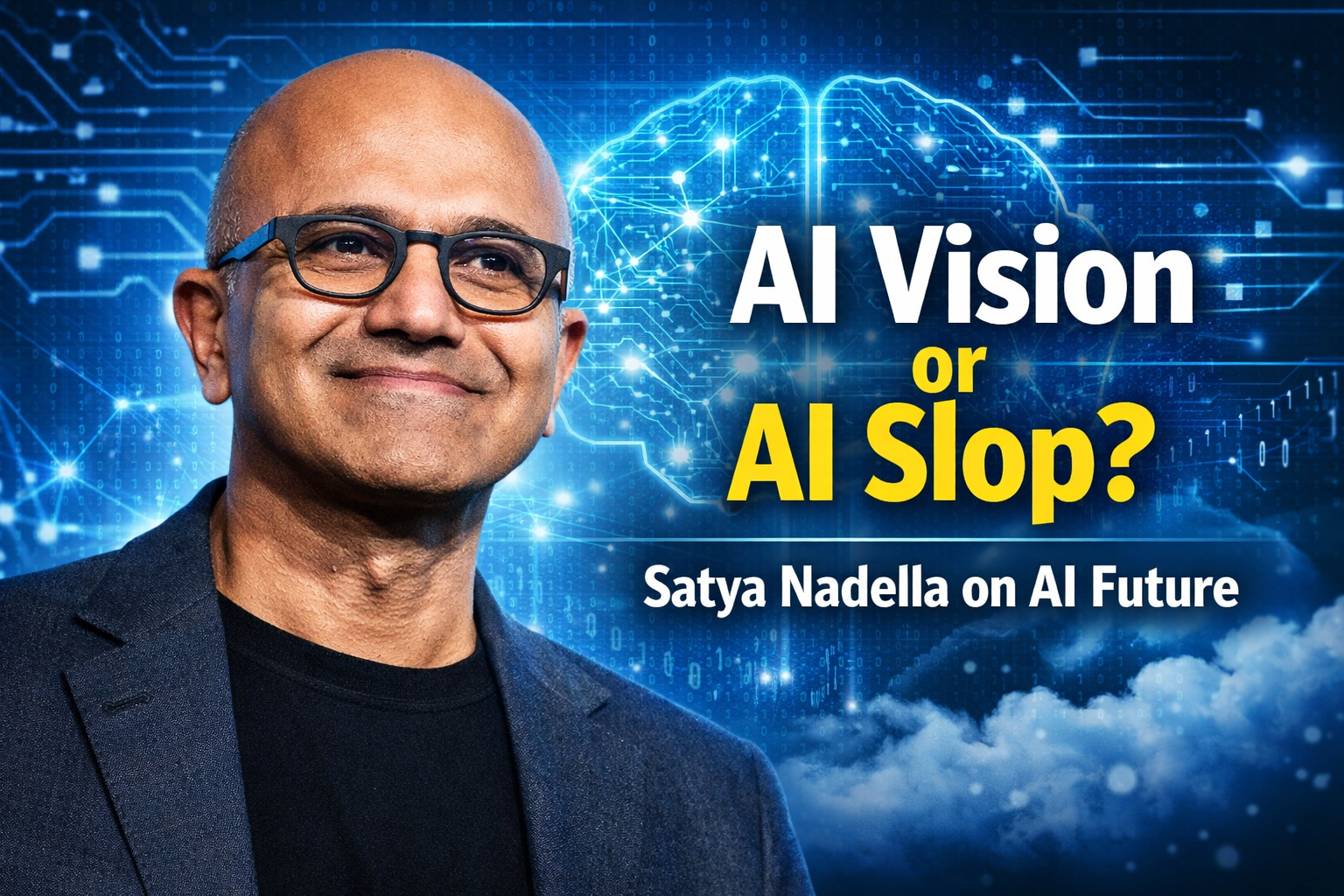
Microsoft Chief Executive Officer Satya Nadella stated during a June 2026 industry forum that the rapid deployment of artificial intelligence necessitates a broad stakeholder approach, arguing that the technology’s societal impact requires inclusion beyond corporate shareholders. This position aligns with the company’s ongoing efforts to frame AI development as a collaborative, public-interest endeavor.
Nadella’s Framework for AI Accountability
Satya Nadella emphasized that the integration of generative AI into global infrastructure creates responsibilities that extend to employees, customers, and the general public. According to his remarks, the traditional corporate focus on shareholder value is insufficient when managing technologies that influence labor markets, data privacy, and information integrity.
Microsoft has increasingly moved to position itself as a steward of responsible AI development. This strategy follows a series of regulatory inquiries in the European Union and the United States regarding the safety protocols of large language models. By asserting that everyone is a stakeholder, the company aims to address concerns from labor unions and privacy advocates who have challenged the rapid release of AI-powered tools without independent oversight.
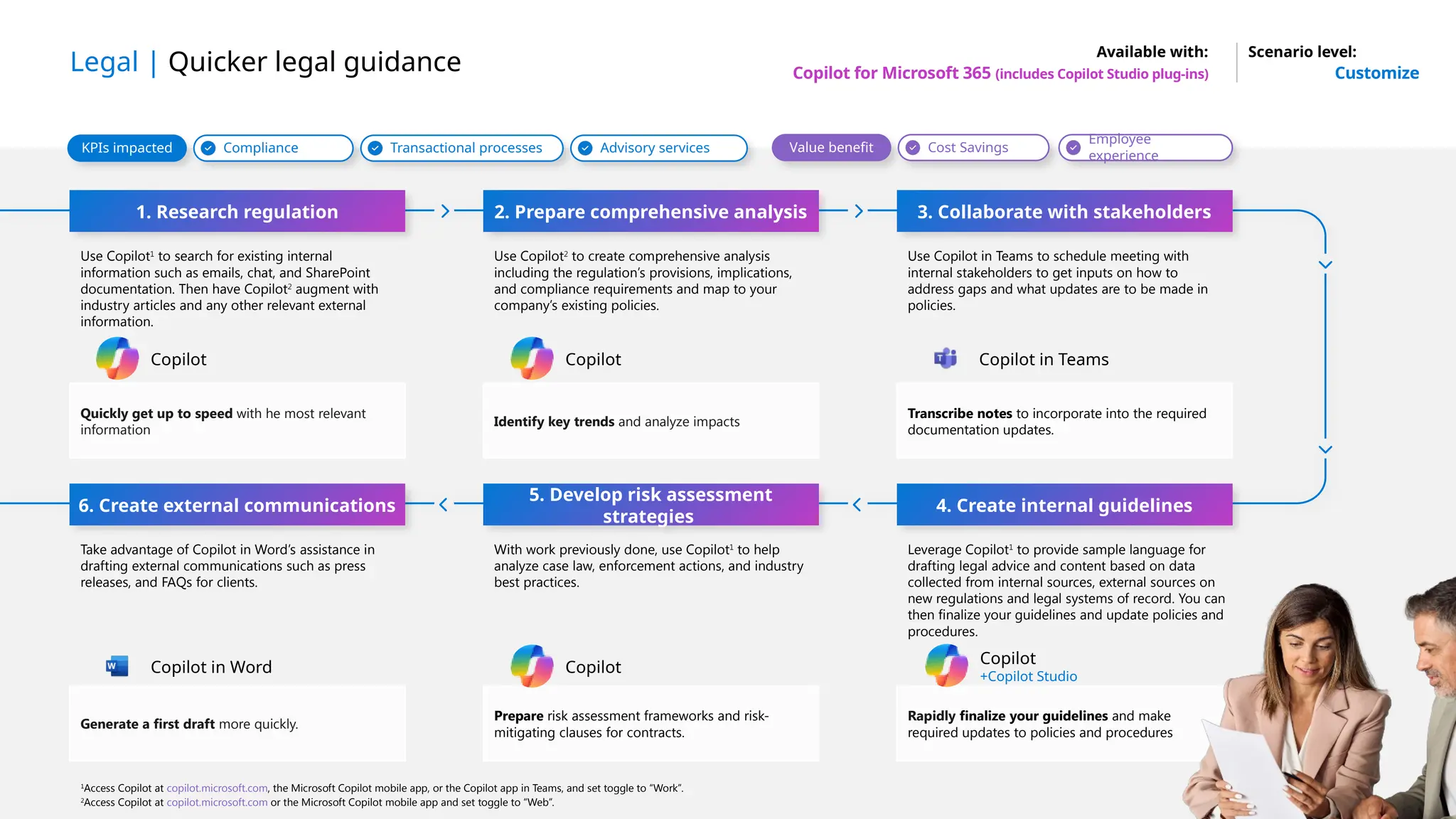
The concept of “responsible AI” has become a central pillar of Microsoft’s corporate messaging since its expanded partnership with OpenAI. The company has integrated safety filters and alignment training—techniques designed to reduce the generation of biased or harmful content—into its Azure AI services and Copilot product suite. However, the efficacy of these safeguards remains a subject of intense debate among computer scientists, who note that large language models are inherently probabilistic, making the total elimination of errors or “hallucinations” technically difficult to guarantee.
Balancing Corporate Growth with Public Interest
The shift toward a stakeholder-centric narrative marks a departure from Microsoft’s earlier focus on product-market fit and cloud integration. As of June 2026, the company continues to face pressure from investors seeking higher returns on its multibillion-dollar investments in OpenAI. Nadella’s public comments suggest a dual-track strategy: maintaining aggressive growth while attempting to mitigate regulatory friction by inviting broader participation in AI governance.
For more on this story, see Microsoft Cuts AI Costs by Moving Heavy Lifting to Local Devices.
This balancing act is complicated by the sheer pace of AI advancement. Since the public release of foundational models, Microsoft has integrated AI capabilities into its flagship Office software, developer tools like GitHub Copilot, and enterprise security platforms. Each release cycle puts the company in a position of managing both the competitive pressure to lead the market and the ethical imperative to avoid systemic failures that could affect millions of users.
Critics, however, remain skeptical of the practical application of this rhetoric. Labor organizations have pointed to the lack of formal mechanisms that would grant employees or the public meaningful influence over the company’s development roadmap. While Microsoft has published internal ethics guidelines, these documents do not grant stakeholders legal authority over corporate decision-making. The absence of a formal, binding oversight board with veto power over product launches remains a primary critique from civil society groups.
Precedents and Future Regulatory Challenges
This approach mirrors similar language used by technology executives during the early expansion of social media, though the stakes for AI appear higher due to its integration into core enterprise software. The focus on stakeholders may serve as a defensive posture against upcoming legislative sessions. In the United States, several states are currently drafting bills that would mandate third-party audits of AI systems, a move that Microsoft has historically resisted, citing concerns over the protection of intellectual property and trade secrets.

In the European Union, the implementation of the AI Act has forced companies to categorize their models based on risk levels. Microsoft’s compliance strategy has involved extensive documentation of training data and model behavior. The shift in Nadella’s rhetoric suggests an attempt to harmonize the company’s global operations with these increasingly stringent international standards, effectively treating European regulatory requirements as a baseline for its global development process.
This follows our earlier report, Somasegar, Tech Icon and Microsoft Leader, Dies at 55.
The goal is to ensure that the benefits of this transition are distributed, and that the risks are managed not just by the engineers, but by the communities that actually live with the consequences of these tools.
Satya Nadella, CEO of Microsoft
The effectiveness of this strategy will likely be tested in the coming months as regulators evaluate the next generation of enterprise AI models. Whether this stakeholder-first approach results in tangible policy changes or remains a rhetorical instrument to manage public perception remains the primary point of contention for industry analysts and policy makers alike. The industry is currently waiting to see how Microsoft reconciles its voluntary ethical commitments with the mandatory compliance frameworks currently being drafted by legislative bodies, which may soon require more than just corporate goodwill to ensure public safety.
Find more reporting in our Technology section.
