
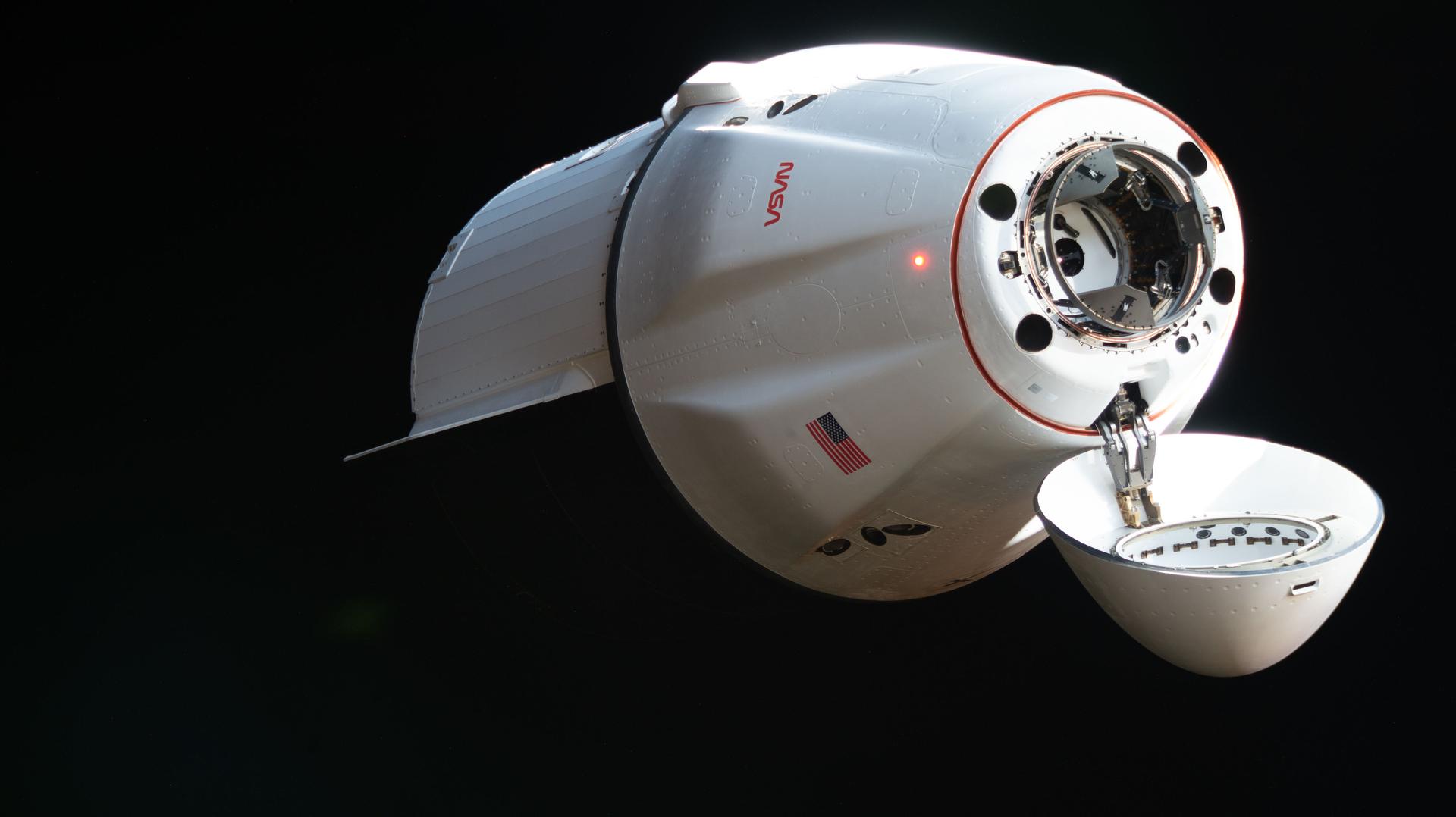
The mission, designated CRS-34, saw the Dragon deliver 6,500 pounds of supplies to the ISS before departing with research that could advance space exploration and terrestrial medicine. This marks the sixth flight of the specific Dragon capsule, which remains the only operational ISS cargo spacecraft capable of surviving reentry, unlike expendable counterparts such as Northrop Grumman’s Cygnus and Russia’s Progress.
“Research returning includes bioprinted organ and cartilage tissue, data on improving cryogenic fuel storage for future space missions, and DNA‑inspired materials to develop new cancer treatments,” NASA officials stated in a June 12 media advisory, citing the agency’s own reports.
Scientific Payloads and Their Implications
The Dragon’s return carried a suite of biomedical experiments critical to understanding human health in space and on Earth. One key investigation focused on bioprinting organ and cartilage tissue in microgravity, which NASA noted could address challenges in growing replacement tissues that match the mechanical properties of native cartilage. Cartilage injuries affect over 900,000 Americans annually, the agency said, with microgravity offering a unique environment to study tissue formation.
Another experiment involved DNA-engineered materials designed to advance cancer treatments. Researchers observed how cancer cells form three-dimensional spheroids in microgravity, a process disrupted by Earth’s gravity. These spheroids more closely mimic human tumors, providing insights into how experimental therapies interact with cancerous tissue.
The mission also returned blood-forming stem cells cultivated in orbit, with studies suggesting microgravity modulates their differentiation pathways. This has implications for treating blood diseases and cancers requiring stem cell transplants. Additionally, the capsule carried data from cryogenic propellant storage experiments, crucial for long-duration missions like a crewed journey to Mars, where current storage systems are inadequate for multi-month durations.
Reusability and Future Missions
SpaceX’s Dragon capsule, designated C209, completed its sixth ISS mission, underscoring the company’s role in sustaining the ISS and reducing costs through reuse. Unlike other cargo spacecraft, which burn up upon reentry, the Dragon’s heat shield allows it to return intact, enabling hardware reuse and reducing space debris.
NASA highlighted the mission’s significance for future exploration, linking it to the Artemis program’s goal of establishing a sustainable lunar presence. “The space station helps NASA understand and overcome the challenges of human spaceflight, expand commercial opportunities in low Earth orbit, and build on the foundation for long-duration missions to the Moon and Mars,” the agency stated in its June 16 coverage.
Recovery and Next Steps
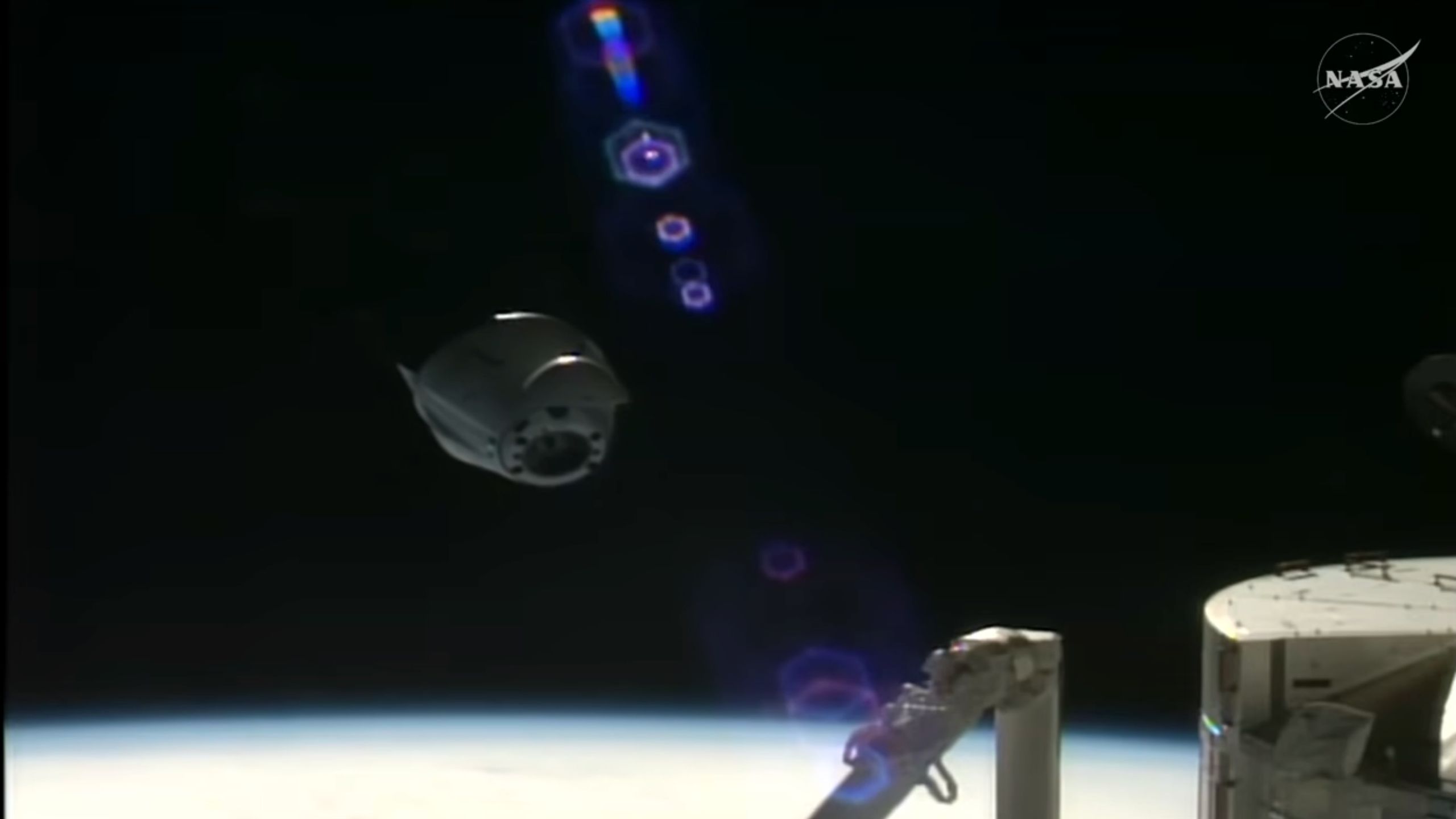
SpaceX led the recovery of the Dragon capsule, which splashed down at 8:11 a.m. EDT on June 17, according to NASA’s update. While the agency did not stream the recovery live, it provided real-time updates via its space station blog. The returned hardware included an ocular imaging device for monitoring crew eye health, an absorbent bed for air filtration, and a waste compartment separator pump.
The mission’s findings will be analyzed by researchers across multiple disciplines, with potential applications in space medicine, materials science, and energy storage. As NASA and SpaceX prepare for upcoming missions, the data from CRS-34 could inform strategies for deep-space travel and Earth-based medical advancements.
“Carrying samples that could shape future space exploration and life on Earth,” as NASA described, the Dragon’s return marks another milestone in the ongoing collaboration between public and private sectors to push the boundaries of scientific discovery.
“Research returning includes bioprinted organ and cartilage tissue, data on improving cryogenic fuel storage for future space missions, and DNA‑inspired materials to develop new cancer treatments,” according to NASA.
The capsule’s successful return also highlights the importance of international partnerships in space exploration, with contributions from NASA, SpaceX, and global research teams. As the ISS continues its 25-year streak of continuous human presence, missions like CRS-34 ensure that the station remains a hub for innovation and scientific breakthroughs.
With the next resupply mission already in planning, the lessons learned from this flight will likely influence the design of future spacecraft and the scope of experiments conducted in orbit. For now, the Dragon’s journey serves as a testament to the resilience of spacefaring technology and the enduring quest to unlock the secrets of the universe.
“Carrying samples that could shape future space exploration and life on Earth,” as NASA described, the Dragon’s return marks another milestone in the ongoing collaboration between public and private sectors to push the boundaries of scientific discovery.
The capsule’s successful return also highlights the importance of international partnerships in space exploration, with contributions from NASA, SpaceX, and global research teams. As the ISS continues its 25-year streak of continuous human presence, missions like CRS-34 ensure that the station remains a hub for innovation and scientific breakthroughs.
With the next resupply mission already in planning, the lessons learned from this flight will likely influence the design of future spacecraft and the scope of experiments conducted in orbit. For now, the Dragon’s journey serves as a testament to the resilience of spacefaring technology and the enduring quest to unlock the secrets of the universe.
“Carrying samples that could shape future space exploration and life on Earth,” as NASA described, the Dragon’s return marks another milestone in the ongoing collaboration between public and private sectors to push the boundaries of scientific discovery.
The capsule’s successful return also highlights the importance of international partnerships in space exploration, with contributions from NASA, SpaceX, and global research teams. As the ISS continues its 25-year streak of continuous human presence, missions like CRS-34 ensure that the station remains a hub for innovation and scientific breakthroughs.
With the next resupply mission already in planning, the lessons learned from this flight will likely influence the design of future spacecraft and the scope of experiments conducted in orbit.
Find more reporting in our Technology section.
