
Israeli and international scientists have uncovered evidence of the earliest intentional use of fire in Wonderwerk Cave, South Africa, dating back up to 1.8 million years, according to a study published in PLOS ONE. The discovery, led by Dr. Liora Kolska Horwitz of the Hebrew University of Jerusalem, pushes back the timeline of human fire use by hundreds of thousands of years and reshapes understanding of early hominin behavior.
The Cave That Changed Human History
Wonderwerk Cave, located in South Africa’s Northern Cape province, has long been a critical site for understanding human evolution. Over 2 million years of occupation, from the Oldowan stone tool culture to the 20th century, have left a continuous record of human activity. “The cave occupation begins at about two million years and is associated with a stone tool culture called the Oldowan,” Kolska Horwitz explained. “Here we have a cave where people intentionally moved in, so Wonderwerk is the oldest cave home.”

The newly identified evidence comes from Stratum 11, a layer dated between 1.07 and 1.79 million years ago. Burnt animal bones, analyzed using a luminescence technique to detect heat exposure, suggest repeated fire use deep within the cave. “We can say that it’s not a natural fire, because the fire is at least 30 meters in from the entrance of the cave, so it was not a wildfire that crept in,” Kolska Horwitz said. “The fire must have been introduced there by someone.”
Unraveling the Evidence
The study’s breakthrough lies in its methodological approach. Researchers developed a non-destructive luminescence technique to identify burned bones, a challenge given the age of the samples. “When illuminated with specific wavelengths of light, bones that have been exposed to intense heat emit a distinctive glow,” the team explained. This method, combined with chemical analyses, confirmed the presence of fire in layers previously thought to lack such evidence.

Comparisons with earlier findings highlight the significance of the discovery. In 2012, research on a more superficial layer of the cave dated fire use to one million years ago. The new findings extend this record by hundreds of thousands of years, suggesting “intentional use of fire” rather than passive exposure to natural flames. “This is intentional use of fire, which doesn’t mean that people started it; they are two separate things,” Kolska Horwitz noted.
Who Were the Fire-Users?
The hominins responsible for the fire use are likely *Homo erectus*, a species known for its advanced tool-making and migration out of Africa. “There were several hominins in southern Africa at that time, and since we haven’t found any human remains, it is a bit difficult to pin [which type lived in the cave] with any certainty, but likely it was a form of *Homo erectus*,” said Kolska Horwitz. The cave’s unique stratigraphy—layered with stone tools, animal remains, and evidence of butchery—supports the idea of a sustained, strategic occupation.
While the study does not confirm cooking as a primary use of fire, it does indicate that early humans “were actively engaging with fire and incorporating it into their lives.” The presence of burnt bones and heat-altered tools suggests fire was used for warmth, protection, and possibly food preparation, though the exact methods remain unclear.
What This Means for Human Evolution
The implications of the discovery are profound. Fire’s control marked a turning point in human evolution, enabling survival in colder climates, expanding dietary options, and fostering social and technological innovation. “The use of fire is a critical component of the evolutionary dynamics of the genus *Homo*,” Kolska Horwitz said. “It allowed early humans to transform their relationship with the environment, creating a feedback loop of innovation.”
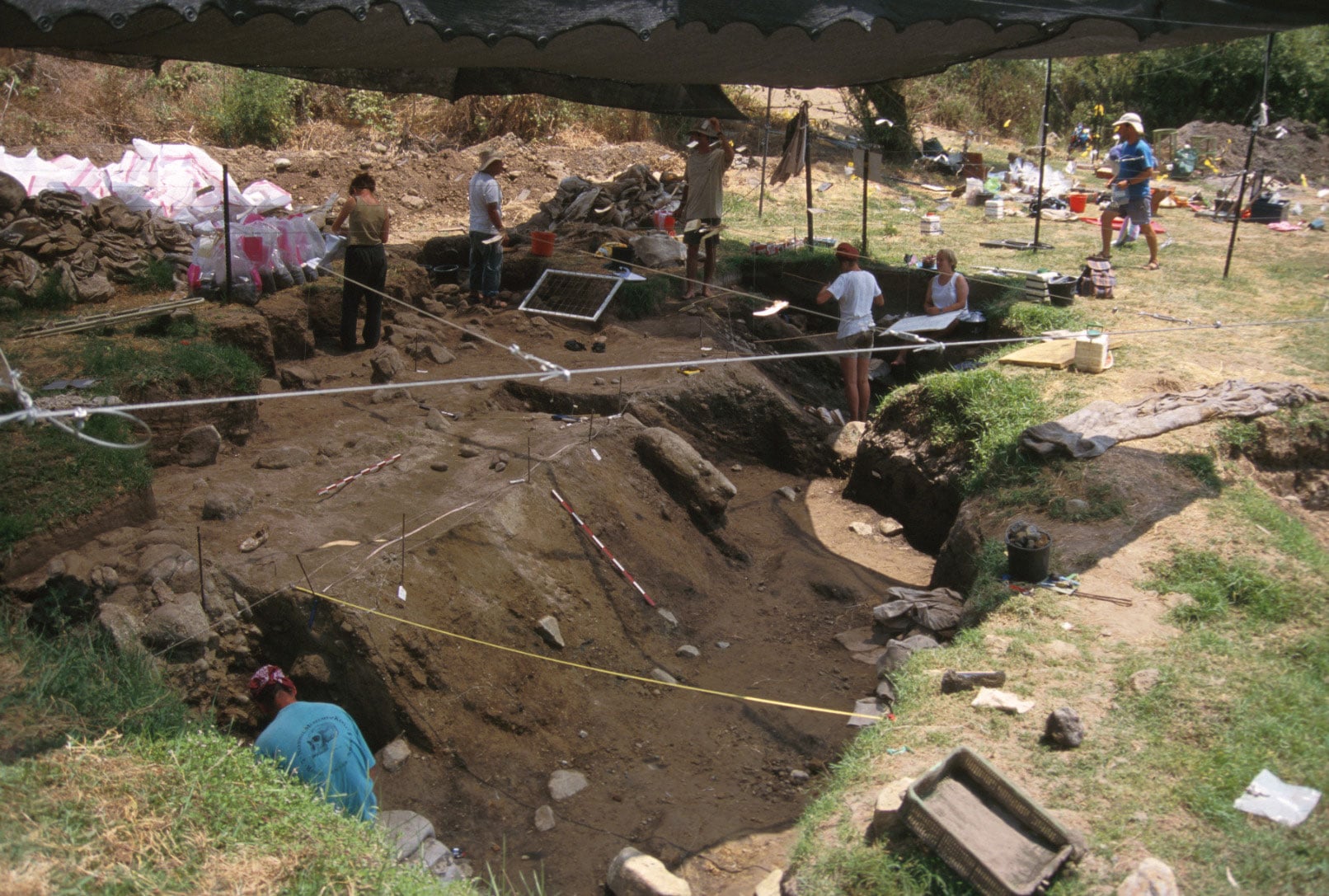
Comparative studies, such as those at the Gesher Benot Ya’aqov site in Israel, reveal that fire use was not isolated to Wonderwerk. Researchers there found evidence of firewood management 780,000 years ago, suggesting that early humans developed sophisticated strategies for sustaining flames. “Access to firewood may have helped determine where people lived,” noted a study published in *Quaternary Science Reviews*.
The Road Ahead
While the findings at Wonderwerk Cave provide a clearer picture of early fire use, many questions remain. How did hominins ignite and maintain fires? What role did fire play in social structures? Future research will focus on refining dating techniques and exploring other sites. “These discoveries show that early humans were not simply passive observers of natural fires,” Kolska Horwitz said. “They were actively shaping their world through innovation.”
As scientists continue to decode the past, the story of fire remains a cornerstone of human history. The evidence from Wonderwerk Cave not only redefines our understanding of ancient behavior but also underscores the ingenuity that set humanity on its evolutionary path.
Find more reporting in our Technology section.
