
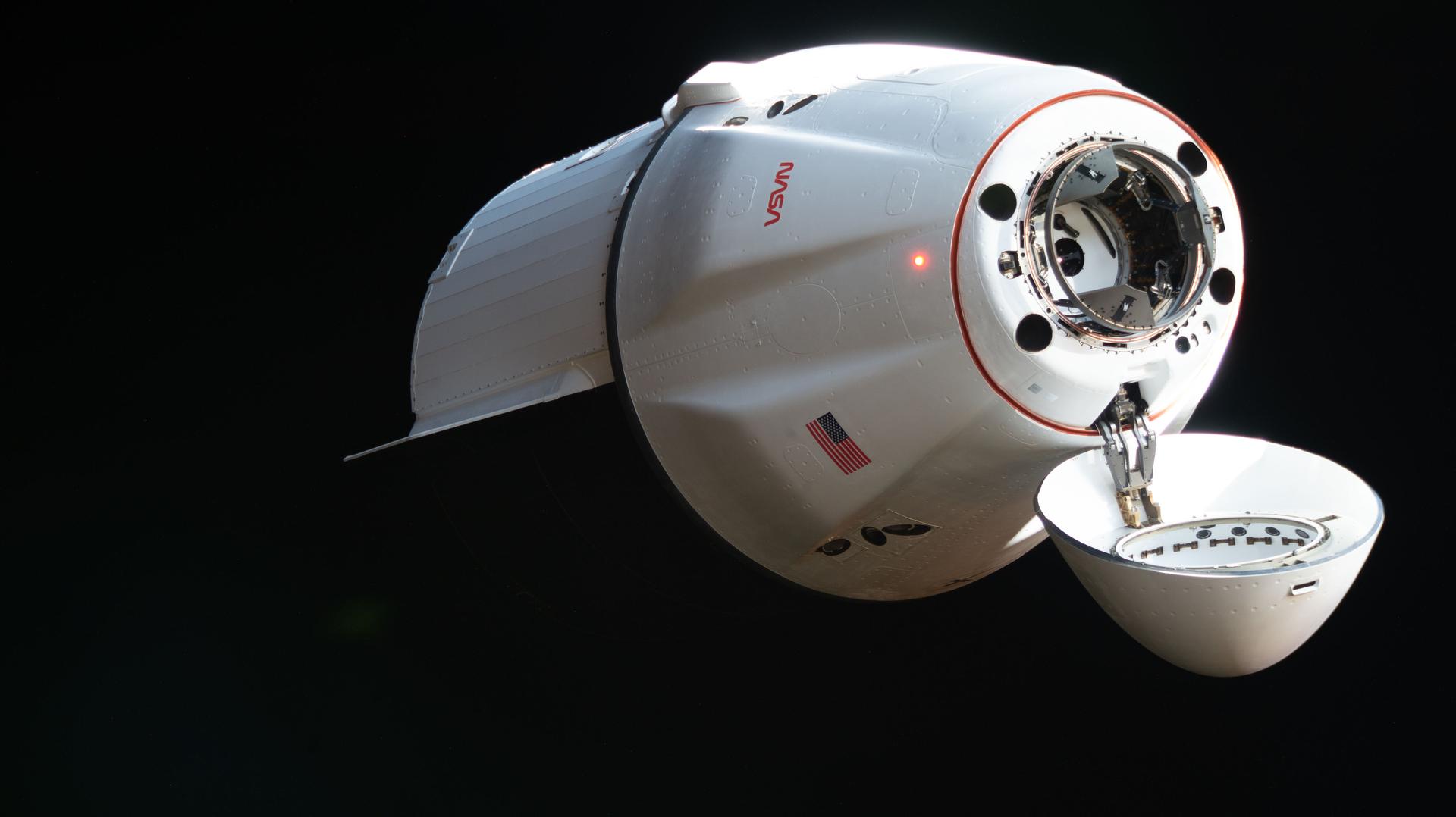
A SpaceX Dragon cargo spacecraft undocked from the International Space Station at 12:25 p.m. EDT on Tuesday, June 16, 2026. The uncrewed vehicle is carrying thousands of pounds of scientific samples and hardware back to Earth, with a planned splashdown off the coast of California expected on Wednesday, June 17.
Mission Departure and Logistics
The Dragon capsule, designated C209, successfully completed its departure from the forward port of the International Space Station’s Harmony module. While the undocking was originally scheduled for 12:05 p.m. EDT, the separation occurred roughly 20 minutes behind schedule while the spacecraft were flying approximately 260 miles above the northern Pacific Ocean, according to reporting from Space.com.
The mission, known as CRS-34, marks the 34th commercial resupply flight SpaceX has conducted for NASA. Following its departure, the capsule is scheduled to reenter Earth’s atmosphere and splash down in the Pacific Ocean near California on Wednesday, June 17, at approximately 5:08 a.m. PDT. As NASA officials noted, the agency will not provide a live stream of the splashdown, though updates will be posted to the official space station blog.
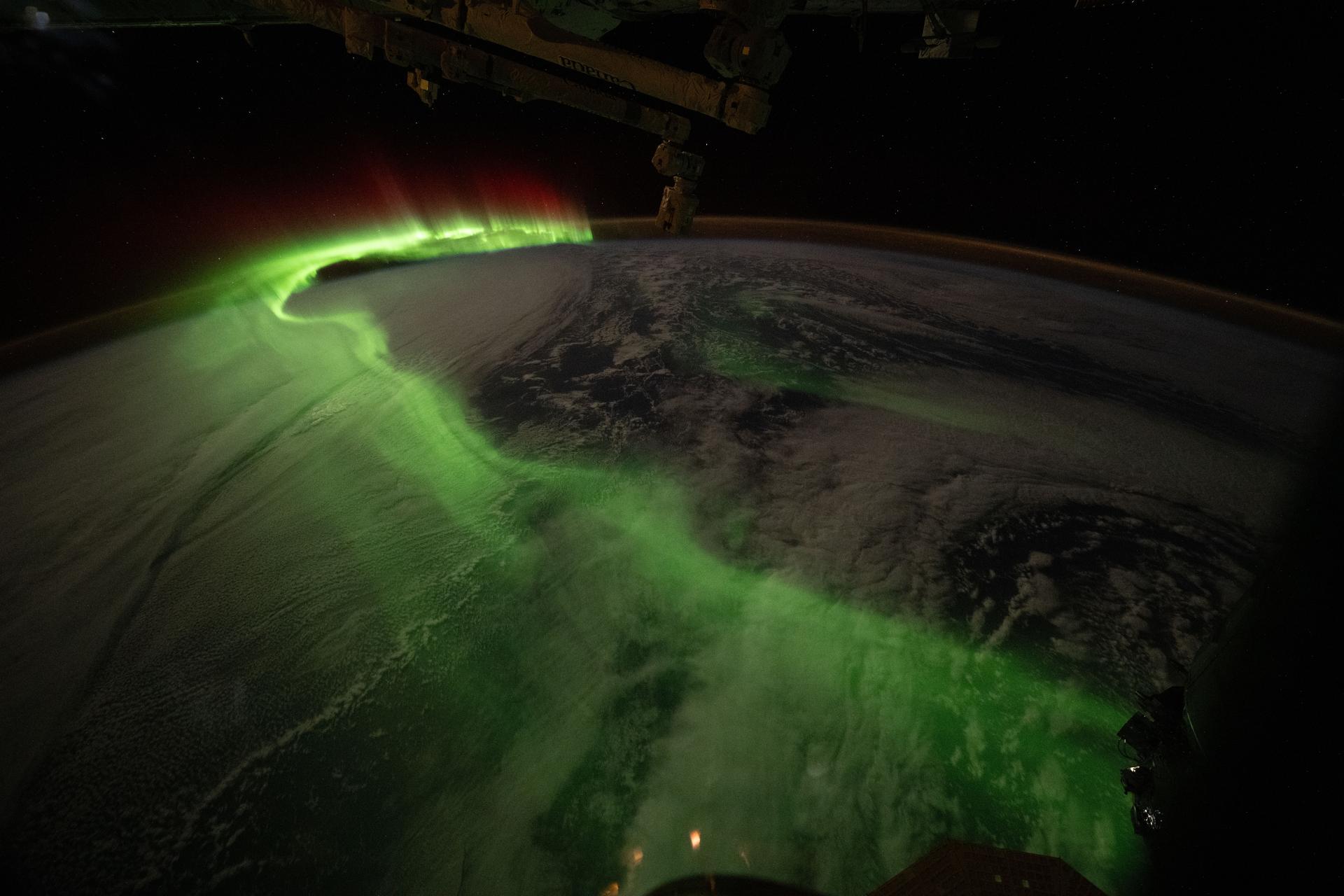
The logistics of these cargo returns are governed by the Commercial Resupply Services (CRS) contract, a model NASA adopted to leverage private industry for logistics. Unlike the Space Shuttle era, where NASA owned and operated the entire vehicle, CRS missions utilize the Falcon 9 rocket and the Dragon spacecraft, both developed by SpaceX. The Dragon remains the only current cargo spacecraft capable of returning significant amounts of pressurized cargo to Earth; other resupply vehicles, such as the Russian Progress or Northrop Grumman’s Cygnus, are typically designed to be disposed of by burning up in the atmosphere during reentry.
Scientific Payloads Returning to Earth
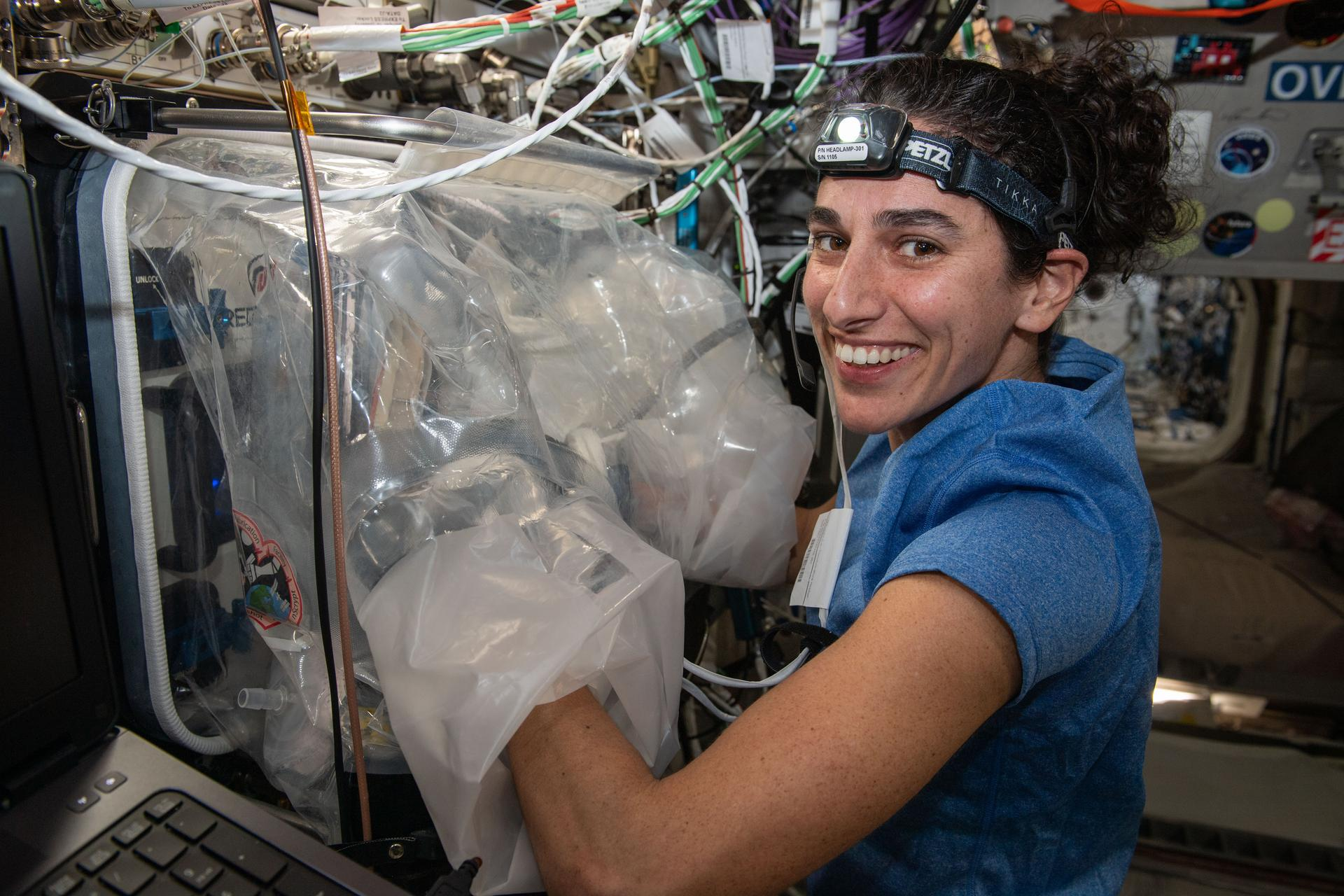
This return flight carries a significant manifest of biomedical research that cannot be replicated in ground-based laboratories. The cargo includes bioprinted organ and cartilage tissue, DNA-inspired materials for cancer research, and blood-forming stem cells. The return of these samples is critical, as Tech Times reports that microgravity allows researchers to study tumor architecture and cell division in ways that gravity on Earth disrupts.
“Research returning includes bioprinted organ and cartilage tissue, data on improving cryogenic fuel storage for future space missions, and DNA‑inspired materials to develop new cancer treatments.” NASA, via NASA.gov
In addition to biological samples, the capsule is returning hardware used to maintain the station’s environment and crew health. This includes an ocular imaging device for monitoring eye health, an absorbent bed designed to filter trace contaminants from cabin air, and a separator pump from the station’s waste and hygiene compartment. These hardware items are often refurbished on the ground and sent back up on future flights, contributing to the closed-loop sustainability of the station’s life support systems.
Research Context and Microgravity Implications
The experiments returning on the Dragon are part of a broader effort to sustain long-duration spaceflight. For instance, the station’s botany research—which includes configuring microscopes to observe plant cell division—is essential for developing food systems for future missions to the Moon and Mars. NASA’s mission blog confirms that understanding microgravity’s effect on biological pathways is also vital for developing new therapies for blood diseases and immune disorders.
One specific experiment, MVP Cell-09, studied heart tissue infected with pneumonia-causing bacteria. Because bacteria often demonstrate increased virulence in microgravity, researchers are using these samples to better understand the link between pneumonia and cardiac disease. These findings are considered a priority for space agencies, as current cryogenic fuel storage systems are insufficient for the months-long travel required for Mars exploration.
Microgravity research operates on the principle that by removing the force of gravity, physical phenomena like fluid dynamics, combustion, and cell growth behave differently. On Earth, gravity-driven convection and sedimentation often mask delicate biological processes. By removing these, researchers can observe how cells organize into three-dimensional structures, which is why bioprinting and stem cell studies are such a high priority for the International Space Station National Laboratory.
Operational Future at the Orbital Outpost
With the departure of the Dragon, the station crew prepares for future resupply and crew rotation missions. USA Today reports that the next mission involving a Falcon 9 and Dragon vehicle will be the Crew-13 mission, which is expected to transport a new group of astronauts to the station in September. For the 290 spacefarers who have visited the laboratory over the last 25 years, the ability to return physical samples to Earth remains the primary mechanism for advancing scientific knowledge that is impossible to achieve on the ground.
The transition between cargo and crew missions is a constant rhythm for the station. When the cargo Dragon departs, it clears a port for other visiting vehicles, such as those from international partners or future commercial providers. As the International Space Station approaches its eventual decommissioning, the lessons learned from these rapid-turnaround cargo missions are being used to inform the design of future commercial space stations, which are expected to continue this pipeline of microgravity research well into the 2030s.
Find more reporting in our Technology section.
