
ZSL Whipsnade Zoo in Bedfordshire, England, announced this week that seven cheetah cubs have been born to a six-year-old female named Kenge. The litter, which arrived in May 2026, represents a significant success for the zoo’s participation in the European Endangered Species Programme, as the species remains classified as vulnerable.
Details of the Litter and Maternal Care
The seven cubs were born to Kenge, a resident of the zoo, following a gestation period of approximately three months. ZSL Whipsnade Zoo officials confirmed that the litter includes both males and females. Cheetah litters typically range from three to five cubs, making a group of seven an unusually large cohort for the species.
In the wild, cheetahs are solitary animals, with females raising their cubs alone. The biological demands of nursing seven cubs simultaneously are significant, requiring the mother to maintain high energy levels. Keepers at the zoo have been monitoring the group via remote cameras to ensure minimal disturbance while the cubs develop. According to zoo staff, Kenge has demonstrated attentive maternal behavior, providing the necessary care for the large litter to thrive in their enclosure.
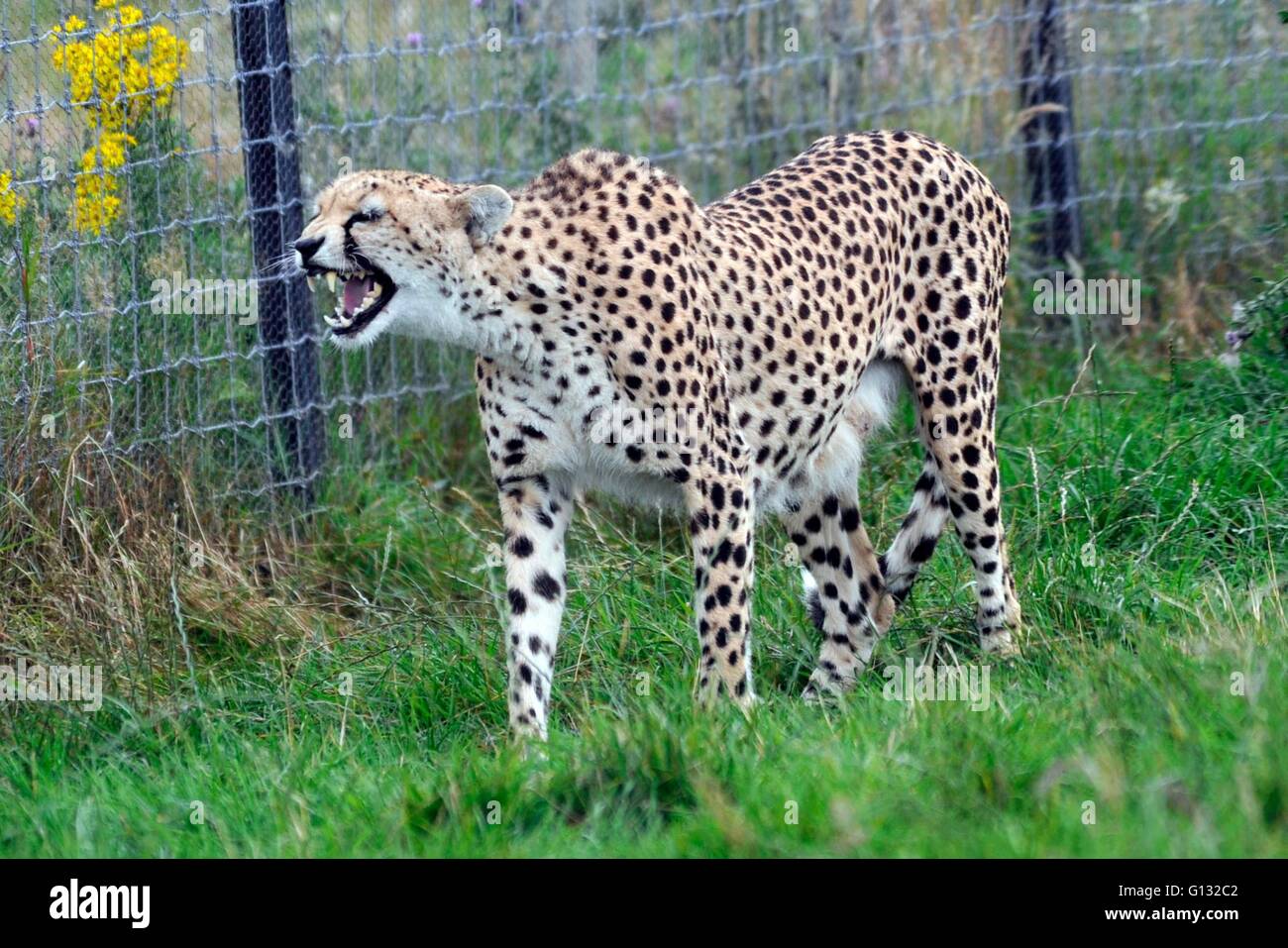
The development of cheetah cubs follows a predictable timeline. Typically, cubs are born blind and helpless, relying entirely on their mother for warmth and nutrition. They begin to open their eyes within the first two weeks and remain in the den for several weeks before attempting to move about. Monitoring these early stages is a standard practice in managed care to ensure that the mother is successfully nursing all offspring, particularly in larger-than-average litters where competition for milk can occur.
Conservation Status and Breeding Programs
Cheetahs are currently listed as vulnerable on the International Union for Conservation of Nature (IUCN) Red List of Threatened Species. Their populations in the wild face ongoing threats from habitat loss, human-wildlife conflict, and a declining prey base. Estimates suggest that fewer than 7,000 cheetahs remain in their natural range across Africa and a small, isolated population in Iran.
ZSL Whipsnade Zoo manages its cheetah population as part of a collaborative effort with other European institutions under the European Endangered Species Programme (EEP). The primary objective of the EEP is to maintain a genetically diverse and self-sustaining population of threatened species within European zoos. These programs utilize studbooks—comprehensive databases that track the lineage, birth, and death of every individual in the program—to make informed decisions about breeding, preventing inbreeding, and ensuring the long-term health of the species.
The birth of these seven cubs contributes to the long-term data collection on cheetah reproductive health and juvenile survival rates in managed environments. By studying how mothers like Kenge manage large litters, researchers can gain insights into the physiological requirements of the species, which can inform both captive husbandry and broader conservation strategies in the wild.
Monitoring and Future Visibility
Visitors to the zoo may not see the cubs immediately, as the first few months are critical for the bonding process between the mother and her offspring. ZSL staff members have emphasized that the mother requires privacy to establish the litter’s routine, as excessive external noise or human presence can lead to maternal stress, which may cause a mother to move her cubs frequently or, in rare cases, neglect them.
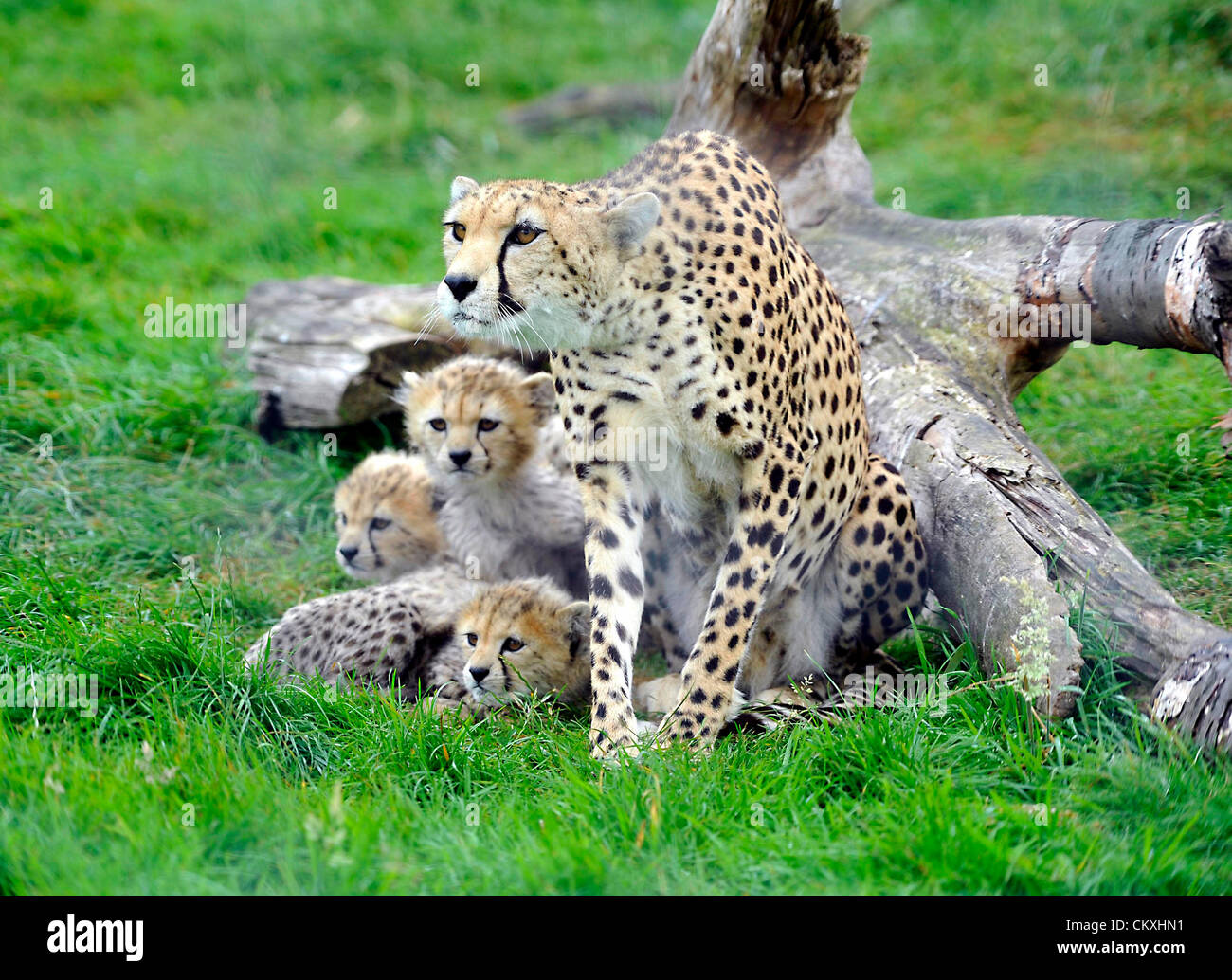
The birth of seven healthy cubs is a testament to the specialized care provided by our team and the success of the European Endangered Species Programme. We are monitoring their progress closely as they reach their developmental milestones.
ZSL Whipsnade Zoo spokesperson
As of June 18, 2026, the zoo has not provided a specific date for when the cubs will be introduced to the public viewing area. The transition to public viewing is usually determined by the cubs’ mobility and their ability to navigate their enclosure safely. As they grow, the cubs will begin to transition from milk to a meat-based diet, a process that typically begins around six to eight weeks of age. Future updates regarding the health and growth of the litter will be released through the zoo’s official communication channels as the cubs continue to grow and become more active within their habitat.
Find more reporting in our Technology section.
