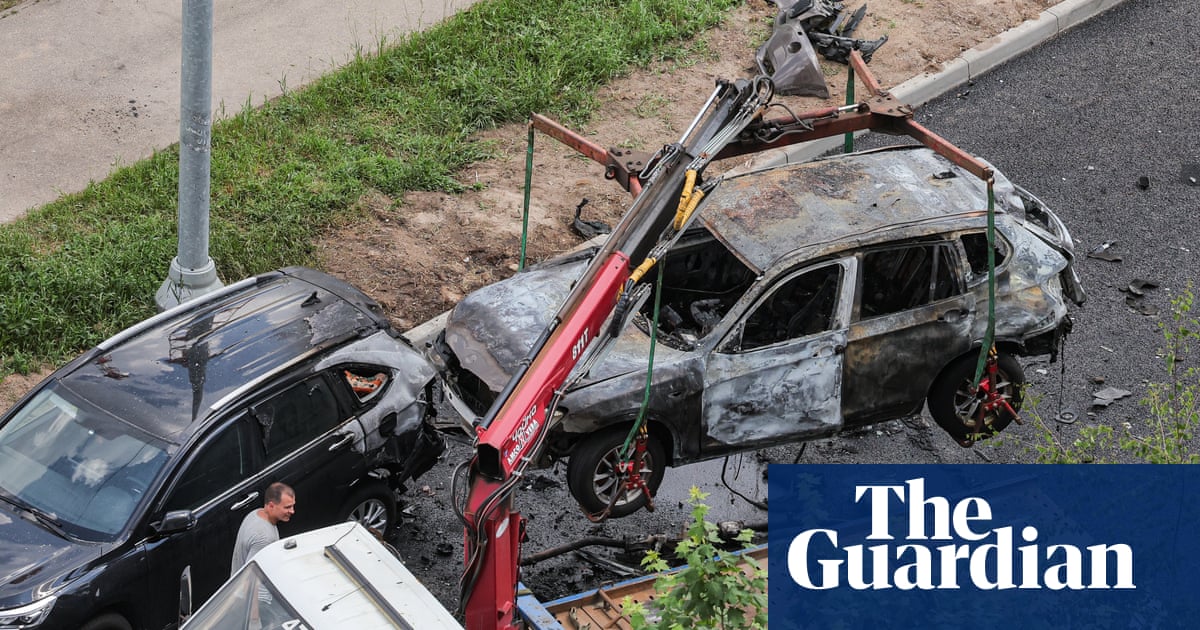
A senior Russian military official was killed in a car bombing near Moscow on Tuesday, according to multiple reports. Col. Damir Davydov, head of the Russian defense ministry’s missile and artillery wing, died after an explosive device planted under his BMW detonated in Balashikha, a city east of the capital. The attack, which occurred at 5:30 a.m., is the latest in a series of targeted killings of Russian military figures since the 2022 invasion of Ukraine. The Kremlin confirmed the explosion but provided no details about the investigation, with spokesperson Dmitry Peskov stating, “As you understand, information related to the ongoing investigation cannot be disclosed. This is, of course, a matter for our special services.”
The Attack on Col. Damir Davydov
Davydov, 57, was responsible for overseeing the distribution of weapons to Russian forces, making him a high-value target. Security footage shared by pro-Kremlin media showed his vehicle engulfed in flames and rolling into another car. A bystander who helped pull him from the wreckage described the scene: “All of his clothes were on fire. I put out the flames on his T-shirt and tore it off so it wouldn’t burn his skin … Looking at him, it was clear he was unlikely to survive.” The attack took place less than a mile from the site where Lt Gen Yaroslav Moskalik, a top Russian military official, was killed in a similar car bombing in April 2025. The Guardian reported that the explosion occurred amid heightened security for senior officials, raising questions about Russia’s ability to protect its leadership.

Ukrainian Intelligence and the Broader Context
Ukraine has not claimed responsibility for the attack, but Russian officials have long accused Ukrainian intelligence agencies of targeting military and political figures. Vladimir Shamanov, a Russian lawmaker and retired general, condemned the killing as “an outrage,” adding: “Such insolence should be met with the same.” Since the war began, Ukrainian intelligence has carried out dozens of assassinations of Russian officers and pro-war figures, according to The Guardian. The attack underscores the growing effectiveness of Ukrainian covert operations, which have forced Russia to implement stricter internet controls and security measures.
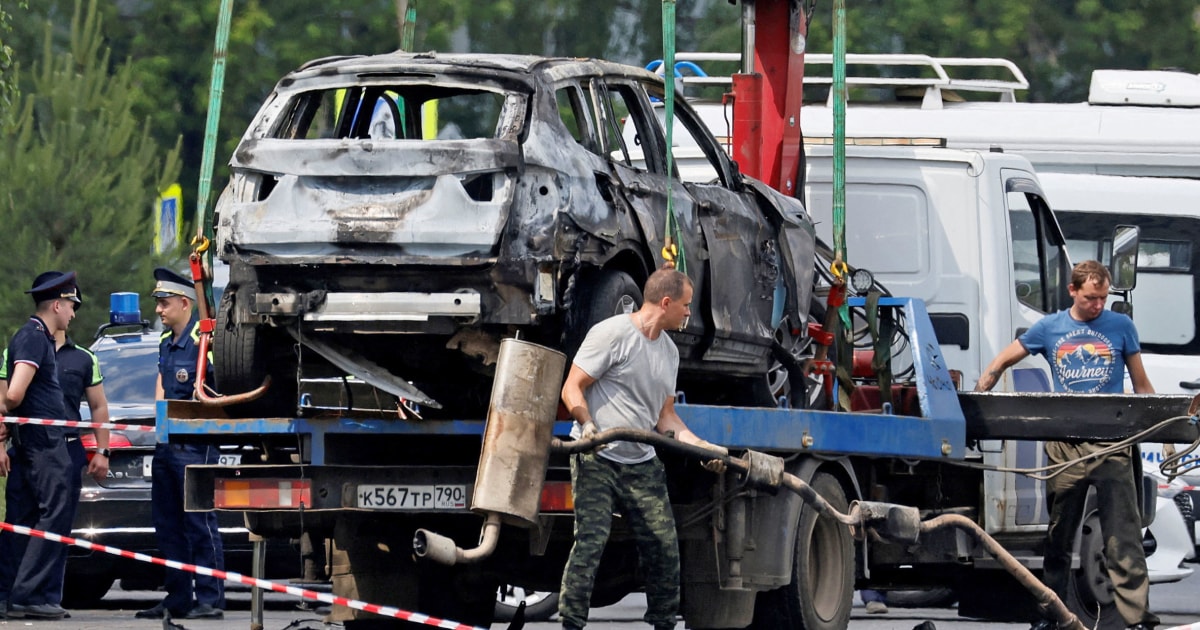
Separate incidents were reported on the same day. In southwestern Moscow, authorities discovered a second car bomb targeting an employee of a scientific-industrial enterprise. The Investigative Committee, Russia’s main anti-crime agency, said a teenage girl had been instructed by “unidentified people” to retrieve an explosive device and hand it to a teenage boy, who placed it on the vehicle. No casualties were reported, and the suspects were charged. NBC News noted that this marked the first time Russian authorities have publicly linked the attack to underage operatives.
EU Sanctions and Economic Pressure
The attack comes as the European Union finalizes new sanctions targeting Russian oil, metals, and cryptocurrency firms. The Commission aims to maintain a $44 price cap on Russian oil through January 2027, while also banning imports of Russian metals, ores, and car parts worth €60 million (£52 million). The measures, outlined in The Guardian, are part of a broader strategy to weaken Russia’s economy. The EU also plans to restrict exports of metals used in aerospace and defense industries, including drone components.
Despite these efforts, Russia has continued to adapt. The country has expanded its “shadow fleet” of oil tankers to circumvent Western sanctions, and its state-owned oil company Rosneft has maintained production levels. The EU’s focus on economic pressure reflects a shift in strategy, as direct military intervention remains politically contentious among member states.
What Comes Next?
The assassination of Davydov is likely to intensify Russia’s internal security crackdown. The Kremlin has already increased surveillance of high-profile figures, but the attack highlights vulnerabilities in its protective measures. Analysts suggest that Russia may escalate its cyber operations or launch retaliatory strikes against Ukrainian infrastructure. The Daily Beast noted that the attack could also prompt further EU and U.S. sanctions, potentially targeting more Russian officials and entities.

For Ukraine, the attack represents a tactical victory, demonstrating the effectiveness of its intelligence network. However, it also risks provoking a harsher response from Moscow, including increased violence against civilians or a broader escalation of the war. As the conflict enters its fifth year, the balance of power remains precarious, with both sides adapting to new challenges and opportunities.
“This is a significant blow to Russian military logistics,” said a defense analyst quoted in The Guardian. “But it’s unclear whether this will translate into a broader strategic advantage.”
Find more reporting in our World section.
