
The NBA Draft 2026’s first round ended with a record number of teams trading out of their picks—and the reason wasn’t talent. It was money.
The 2026 NBA Draft’s first round wrapped with a historic number of teams trading out of their picks, but the explanation wasn’t about talent or strategy—it was about salary cap math. Teams from the Knicks to the Grizzlies prioritized shedding draft picks in the 20s to avoid the “second apron” penalty, a financial cliff that locks teams into frozen picks and luxury tax penalties if they exceed a $16 million salary threshold. According to The Athletic, the absence of blockbuster trades at the top of the draft left teams with mid-round picks scrambling to avoid the financial hit of keeping them.
Why the Second Apron Forced Teams to Trade Out
The NBA’s salary cap rules create a financial cliff at the “second apron”—a $16 million threshold where teams face frozen picks and luxury tax penalties if they exceed it. With the draft’s top picks already claimed by teams like the Spurs and Pelicans, the real action shifted to picks 20–30, where teams like the Knicks, Denver, Minnesota, and Cleveland all traded out. The Knicks, for example, owed $3.37 million on their 24th pick—enough to force them to trade down twice before the round ended. As The Athletic reported, teams with picks in this range had two choices: keep a player who’d cost $3.37 million (or more) or trade down to avoid the apron entirely.

Teams like the Knicks were particularly aggressive in trading down because of the financial flexibility it created. By trading their 24th pick to the Lakers and then to the Mavericks, they turned a $3.37 million obligation into two second-round picks worth just $1.36 million each—saving nearly $2 million. That money could now be used to re-sign key players like Landry Shamet or pursue free agents without triggering the luxury tax. “The second apron is a real constraint,” one NBA executive told The Athletic. “Teams are willing to take a step back in talent to stay under it.”
How the Second Round Became the Draft’s Wild Card
With the first round’s top picks already allocated to proven prospects, the real uncertainty shifted to the second round—where teams like the Knicks, Mavericks, and Spurs now hold multiple picks. The Athletic noted that the second round often becomes a dumping ground for teams trying to avoid the apron, leading to “blind-dart” signings of undrafted players or low-upside prospects. But this year, the second round could also become a goldmine for teams willing to take chances.
For more on this story, see Wizards snag AJ Dybantsa as No. 1 in 2026 NBA Draft; top picks reshape rosters.
One key factor is the NBA’s NIL rules, which have kept many underclassmen from declaring for the draft unless they’re top-20 picks. This created a “cliff” at pick 25, where teams with picks before that point had a clear advantage. Teams like the Spurs, who took a center at No. 12, and the Hornets, who selected a point guard at No. 5, had already secured their top targets. But teams with picks after 25—like the Knicks at No. 24—were left with limited options unless they traded down.
What Draft Night Trades Reveal About NBA Strategy
While the first round was quiet, the trades that did happen offer clues about how teams value picks. According to No Ceiling NBA, teams trading up for non-quarterbacks almost always overpay—yet in the NBA, the team that trades up gets the better player in eight out of nine cases. This contradicts the NFL’s draft trade value chart, where trading up is often a losing proposition. The NBA’s smaller talent pool and higher stakes per pick make trading up a riskier but potentially more rewarding strategy.
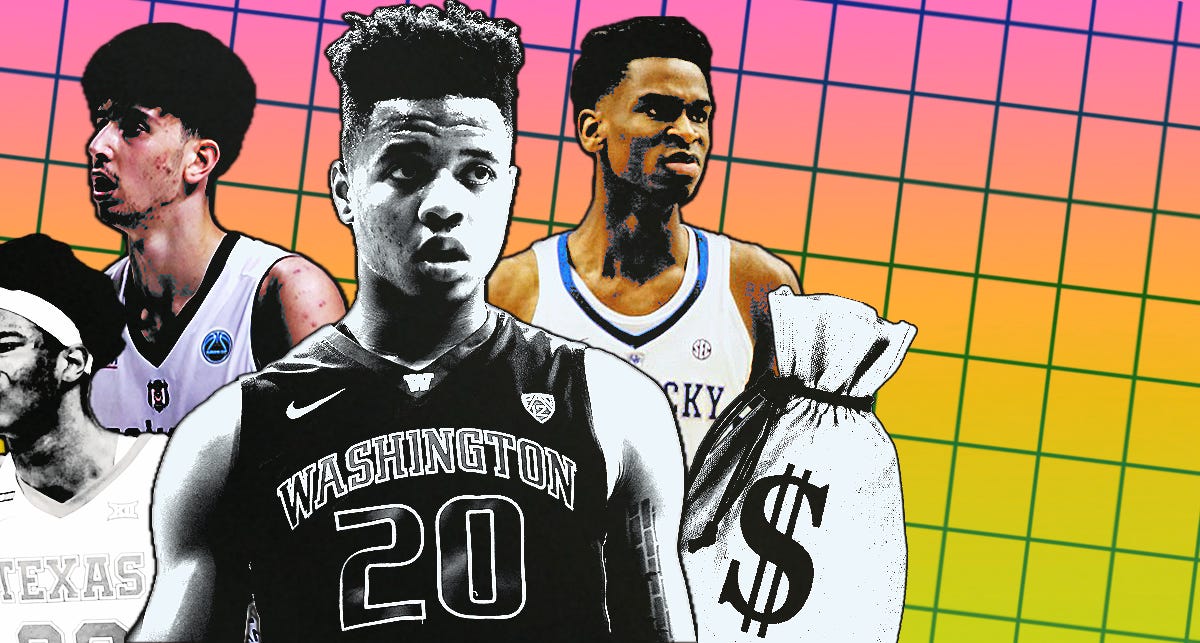
No Ceiling NBA analyzed draft night trades from 2014–2019, using the LEBRON metric—a system that estimates a player’s total impact on their team. The data showed that while trading up can be lucrative, it’s not a guaranteed win. The Philadelphia 76ers’ 2017 trade-up for Markelle Fultz (while the Celtics took Jayson Tatum) remains the most infamous example of a trade that went wrong—but most trades up in the NBA’s history have paid off. “The difference is that in the NBA, the talent drop-off between picks is sharper,” one front-office source told No Ceiling NBA. “You’re not just trading for a marginal improvement; you’re often getting a game-changer.”
This follows our earlier report, AJ Dybantsa Selected No. 1 Overall as Freshmen Dominate 2026 NBA Draft Round 1.
The Financial Math Behind Trading Down
For teams like the Knicks, trading down wasn’t just about talent—it was about financial survival. The Knicks owed $3.37 million on their 24th pick, but by trading down twice, they turned that into two second-round picks worth $1.36 million each. That $2 million savings could be the difference between keeping Landry Shamet or having enough cap space to sign a free agent like Mitchell Robinson. As The Athletic explained, the Knicks’ moves were less about draft strategy and more about cap management.

Other teams followed a similar playbook. The Denver Nuggets, who owned the 26th pick, traded down to avoid the apron penalty. The Minnesota Timberwolves and Cleveland Cavaliers did the same, turning first-round picks into second-round assets. The result? A first round with no trades until pick 16—and a second round that could become the most unpredictable in years.
What Happens Next? The Second Round’s Uncertain Future
The second round is where the real drama will unfold. With teams like the Knicks, Mavericks, and Spurs holding multiple picks, the stage is set for a mix of high-upside gambles and safe bets. The Athletic predicted that the last 15 picks of the second round could see some “blind-dart” signings—teams taking flyers on undrafted players or low-upside prospects to fill out their rosters without triggering the apron.
Read also: Golden 1 Center to Host California Classic Basketball Tournament in July 2026.
But the second round could also become a hunting ground for teams looking to stash future assets. The NBA’s CBA allows teams to trade picks for cash, though the amounts are capped at $3–$4 million per team per year. As Sports Stack Exchange noted, teams with excess picks (like the 76ers) sometimes trade them for cash to clear cap space. This year, with so many teams trading down, the second round could see a surge in such transactions.
The bigger question is whether the second apron will continue to dominate NBA draft strategy. With teams like the Knicks and Mavericks already feeling the pressure, the financial constraints of the salary cap could reshape how teams approach the draft in future years. If the trend continues, we may see even more teams trading out of the first round—not because they lack talent, but because they lack cap flexibility.
One thing is certain: the 2026 NBA Draft’s first round may have been quiet, but its financial implications will echo for years to come.
Find more reporting in our Sports section.
