
Texas faces escalating flood risks as tropical systems and severe storms trigger emergency mobilizations and widespread flood watches, according to multiple reports. The National Hurricane Center notes a 30% chance of tropical development, while Governor Greg Abbott has activated state resources to combat the threat.
Statewide Emergency Mobilization: Governor Abbott’s Multi-Agency Response
Texas Governor Greg Abbott has directed the Texas Division of Emergency Management (TDEM) to mobilize extensive resources, transitioning the Texas State Emergency Operations Center (SOC) to 24-hour operations. This move aims to rapidly address emergency assistance requests as repeated rounds of torrential rain threaten flash flooding. The state has deployed water and air rescue teams, Texas National Guard helicopters, and ground units to assist with evacuations and highway monitoring, according to the first source. “The scope of the incoming threat is uniquely complex, spanning multiple extreme weather hazards across the state over the next several days,” Abbott stated, emphasizing the need for coordinated action.
The mobilization process in Texas follows a standardized emergency management framework. When the Governor elevates the SOC to 24-hour operations, it facilitates real-time communication between local emergency management coordinators and state-level agencies. This structure is designed to expedite the deployment of state-funded assets—such as high-profile vehicles capable of traversing flooded roadways—to jurisdictions where local resources may be overwhelmed. By centralizing the command, the state can monitor weather radar and ground-level reports simultaneously, allowing for the preemptive positioning of assets before major flooding occurs.
Flood Watches and Regional Impacts: 10+ Counties Under Alert
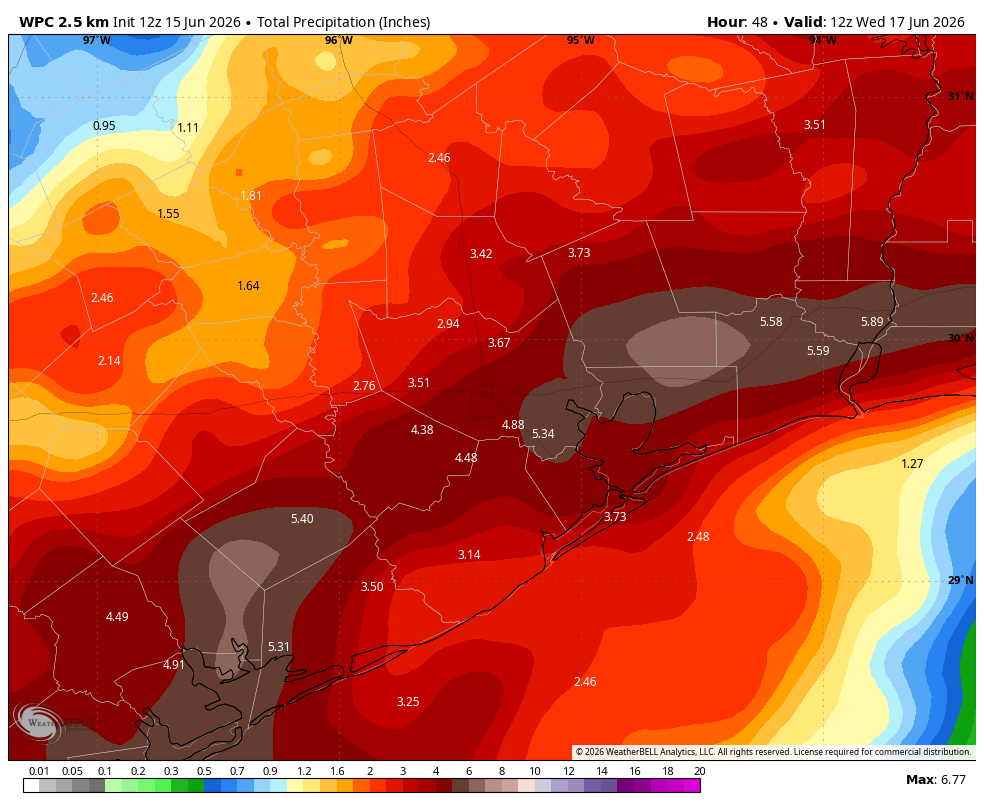
The National Weather Service (NWS) has issued flood watches for at least 10 counties across Southeast Texas, including Houston, Trinity, and Harris, warning of “potential for life-threatening flash flooding” and “increased danger to lives and property.” The affected areas include 35 counties, with specific alerts for Burleson, Harris, and Brazoria. A river flood warning is in effect for Burleson County until 2:30 a.m. Wednesday, while a flood advisory remains active for Harris County until 1:15 p.m. on Monday. ABC13 Houston reported that the NWS highlighted the risks of “several inches of rain over the next few days,” with particular concerns in low-lying regions.
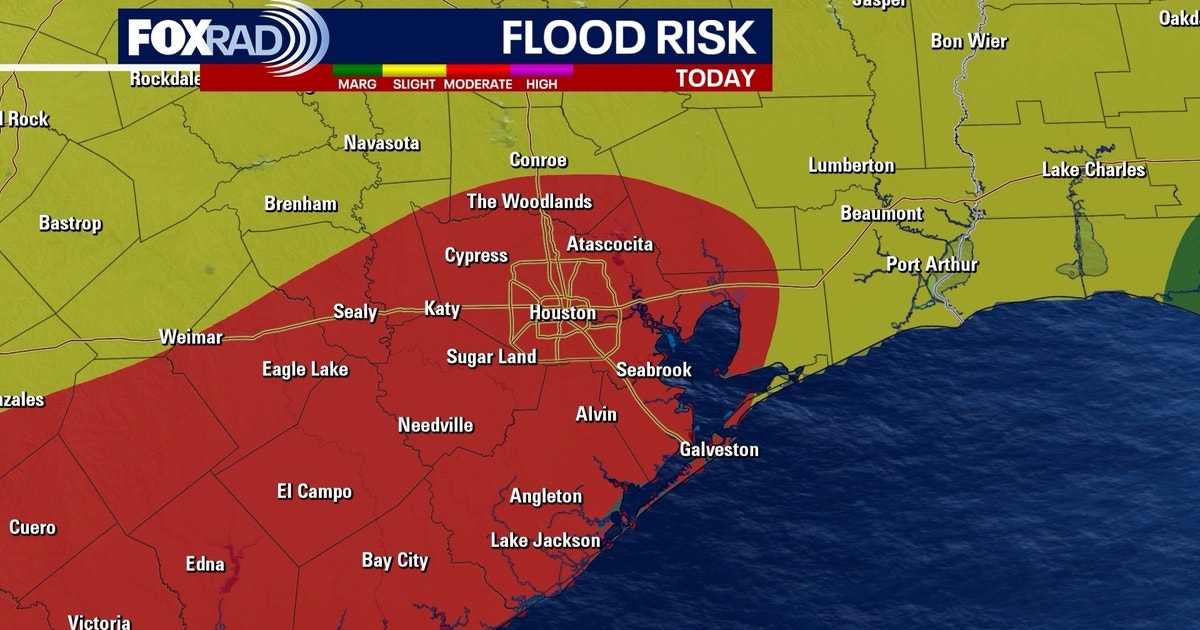
In the context of Texas geography, flash flooding is a recurring public safety challenge due to the region’s flat terrain and the tendency for heavy, slow-moving storms to dump significant water in concentrated areas. A “Flood Watch” signifies that conditions are favorable for flooding, serving as a notice for residents to prepare, while a “Flood Warning” indicates that flooding is imminent or already occurring. Local authorities emphasize that the primary danger during these events is driving through flooded intersections, as even a few inches of moving water can displace a vehicle. Community impact is often measured by the activation of local Emergency Operations Centers (EOCs), which manage street closures and coordinate with water rescue squads.
Tropical Development Uncertainty: 30% Chance of Storm Formation
While the immediate threat comes from heavy rainfall, meteorologists are monitoring a low-pressure system in the Gulf of Mexico with a 30% chance of developing into a tropical depression or storm. The National Hurricane Center (NHC) has scheduled reconnaissance flights to investigate the system, with the first mission set for June 17. Space City Weather noted that the disturbance could bring “potential bullseyes of 20 inches or more of total rainfall through Friday,” though the exact path remains uncertain. “We simply do not know where the greatest rainfall totals from this tropical disturbance will end up,” the outlet reported, emphasizing the need for continued vigilance.
The monitoring of tropical disturbances is a critical function of the NHC, which utilizes satellite imagery and hurricane-hunter aircraft to gather atmospheric pressure and wind speed data. This data is essential for determining if a system is organizing into a tropical cyclone. The uncertainty cited by experts is typical for early-season disturbances in the Gulf, where warm water temperatures can rapidly fuel a system, but atmospheric wind shear can just as quickly tear it apart. This volatility makes long-range forecasting difficult, requiring residents to monitor updates frequently as the system moves closer to the coastline.
Local Disruptions: Fires, Flooding, and Community Preparedness
In addition to the broader weather threats, localized incidents have highlighted the risks. Two homes in Texas were struck by lightning during severe storms, causing fires and minor to total damage, according to Spicewood Fire Rescue. Meanwhile, flooded roads and street flooding have been reported in Harris County, with officials urging residents to avoid unnecessary travel. Houston’s flood alert system remains on Stage 2, with meteorologists predicting 2–4 inches of rain through Tuesday and potential for higher totals later in the week. “The atmosphere will be very fertile for showers and thunderstorms,” Space City Weather stated, advising residents to stay weather-aware.
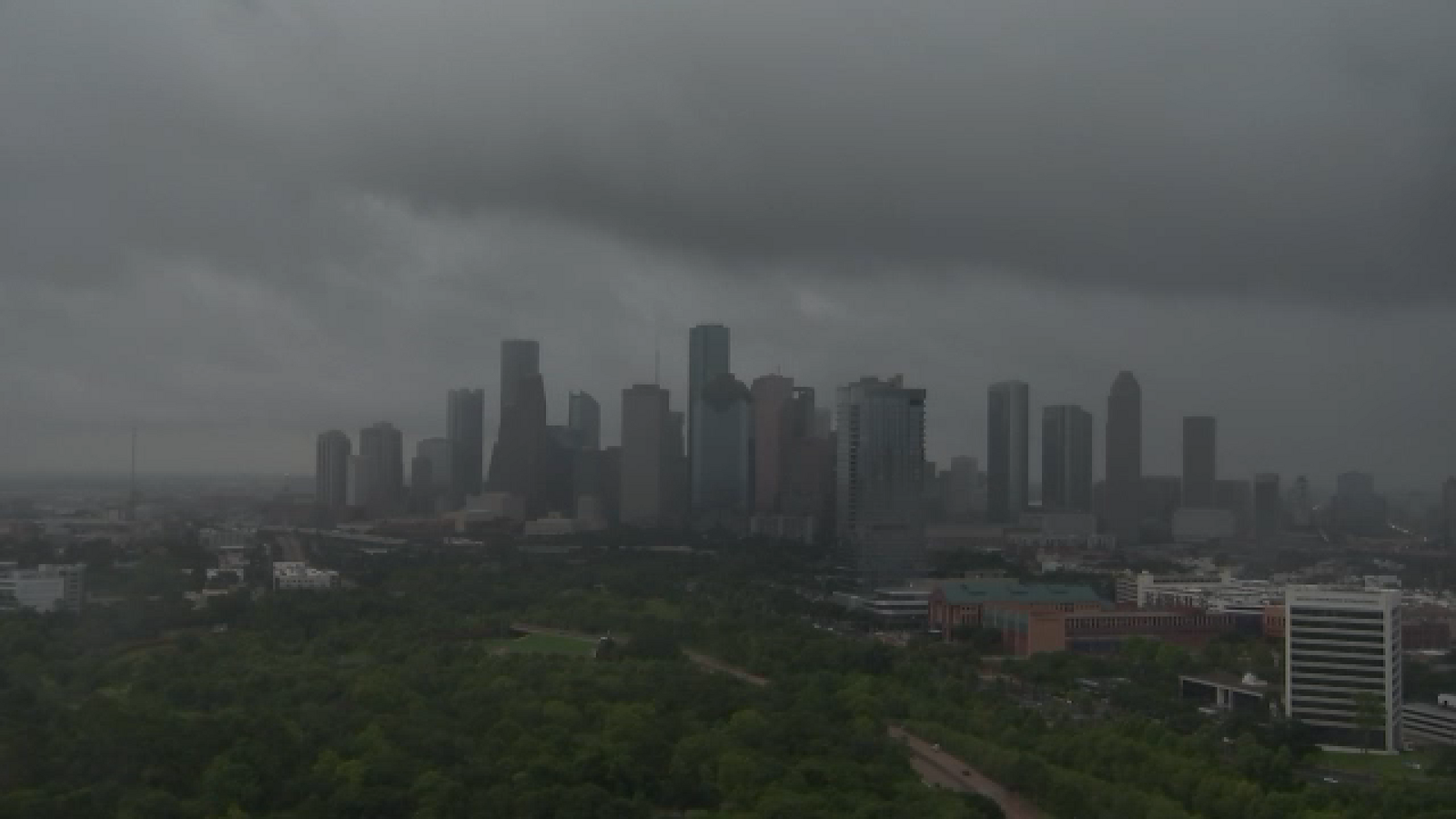
Lightning strikes are a common, though often overlooked, consequence of severe convective weather in Texas. Fire departments across the state routinely manage these secondary emergencies while balancing the primary mission of water rescue. The Stage 2 flood alert in Houston signifies a heightened state of readiness for municipal services, including the monitoring of bayou levels and the prepositioning of barricades at known low-water crossings. These systems operate as a layered defense, where local officials use real-time gauge data to determine when to close specific roads to prevent motorists from entering dangerous water.
What Comes Next: Monitoring and Evacuation Preparations
As the week progresses, the focus will shift to the tropical disturbance’s trajectory and the potential for additional rainfall. The NHC’s reconnaissance flights will provide critical data, while state and local agencies remain on high alert. “We are maintaining our Stage 2 flood alert for now,” Space City Weather noted, “but depending on the tropical disturbance, we may need to escalate things for the second half of this week.” Residents are being urged to monitor updates, secure property, and avoid flooded areas.
Emergency management agencies typically advise residents to maintain a “go-bag” and monitor local news outlets for potential evacuation orders in low-lying areas. As data from the reconnaissance flights arrive, the NHC will refine its “cone of uncertainty,” which provides the most probable track for the center of the tropical system. While this cone does not show the full extent of the rain, it allows local government officials to assess the likelihood of mandatory evacuations. Public safety officials consistently emphasize that the “turn around, don’t drown” philosophy remains the most effective strategy for preventing loss of life during these weather events.
Find more reporting in our News section.
