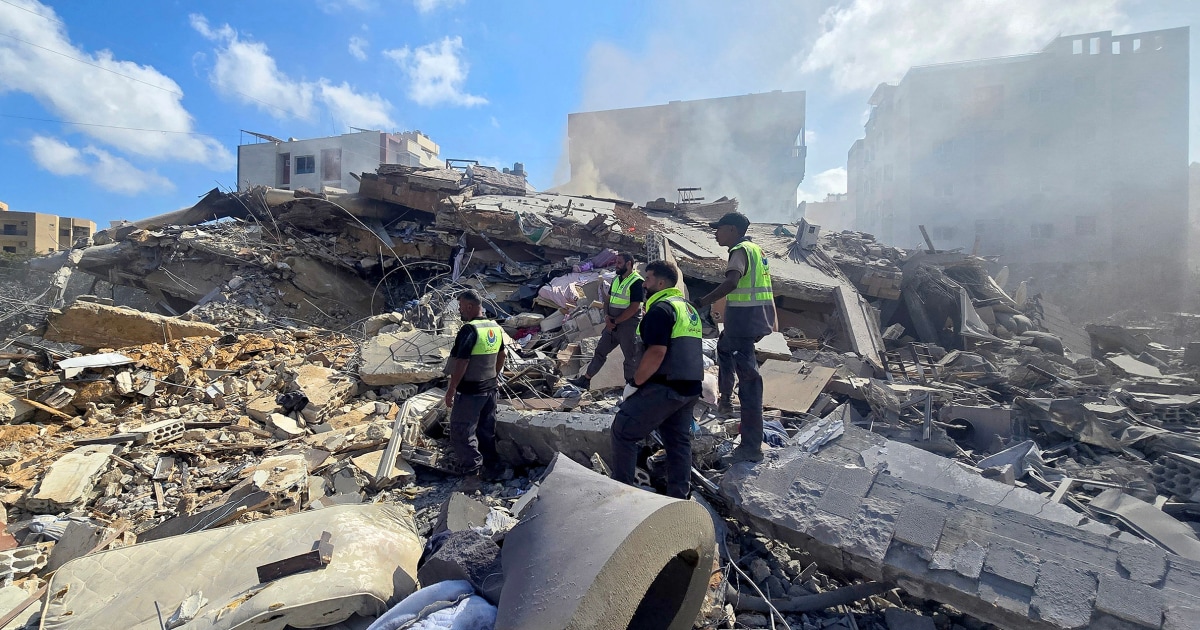
An Israeli airstrike killed 12 civilians in Lebanon’s Bekaa Valley on Monday night, as Prime Minister Benjamin Netanyahu escalated military operations against Hezbollah ahead of critical ceasefire talks in Washington. The strike—part of a broader campaign targeting Hezbollah infrastructure—follows weeks of drone attacks by the militant group on Israeli forces and northern border towns, while Lebanon’s displaced population nears 1 million. With both sides digging in, the coming days will determine whether diplomacy can avert a wider regional war.
Netanyahu’s Escalation: “Smite Them Hip and Thigh”
The strike on Mashghara village came as Netanyahu posted a video Monday night ordering “increased intensity” against Hezbollah. His message was unmistakable: “What this requires of us now is to increase the blows, to increase the intensity. We will smite them hip and thigh.” The phrasing—borrowed from Exodus 15:9—echoes biblical rhetoric used by Israeli leaders during past conflicts, signaling a shift from measured retaliation to a more aggressive posture.
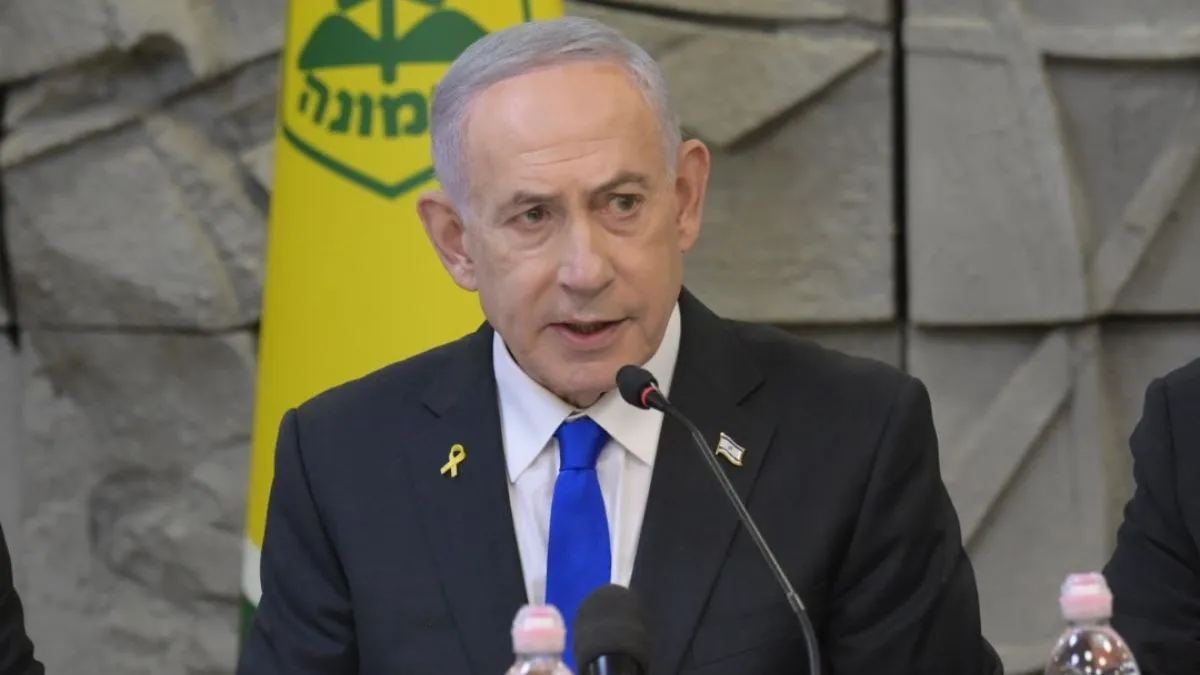
While Netanyahu’s statement was framed as a response to Hezbollah’s drone campaign, the timing suggests a broader strategy. Israeli officials have confirmed that the military has deployed an additional battalion to Lebanon and is pushing deeper into southern Lebanon beyond the April 17 ceasefire “Yellow Line.” The move marks the first time since the war began that Israel has explicitly violated the fragile truce to target Hezbollah positions further north.
The stakes are clear: Hezbollah’s use of fiber-optic drones—capable of evading Israeli air defenses—has forced the IDF to adapt. As NBC News reported, these drones have hit both military outposts and civilian areas in northern Israel, including the funeral of Staff Sgt. Noam Hamburger last Sunday. The IDF’s frustration is palpable: Col. Shaul Yisraeli, commander of Brigade 7, told The Jerusalem Post that the April ceasefire had “restrained” him from striking deeper into Lebanon to disrupt Hezbollah’s drone networks.
The Human Cost: Lebanon’s Civilian Crisis
The death toll in Mashghara—12 civilians, including children—underscores the war’s devastating human toll. Lebanon’s state-run National News Agency confirmed the strike, while rescue workers described the scene as “apocalyptic,” with dozens of bodies pulled from rubble after overnight raids. The Lebanese Health Ministry’s tally is stark: 3,185 dead and over 9,600 wounded since Hezbollah’s initial rocket barrage on March 2 in solidarity with Iran.
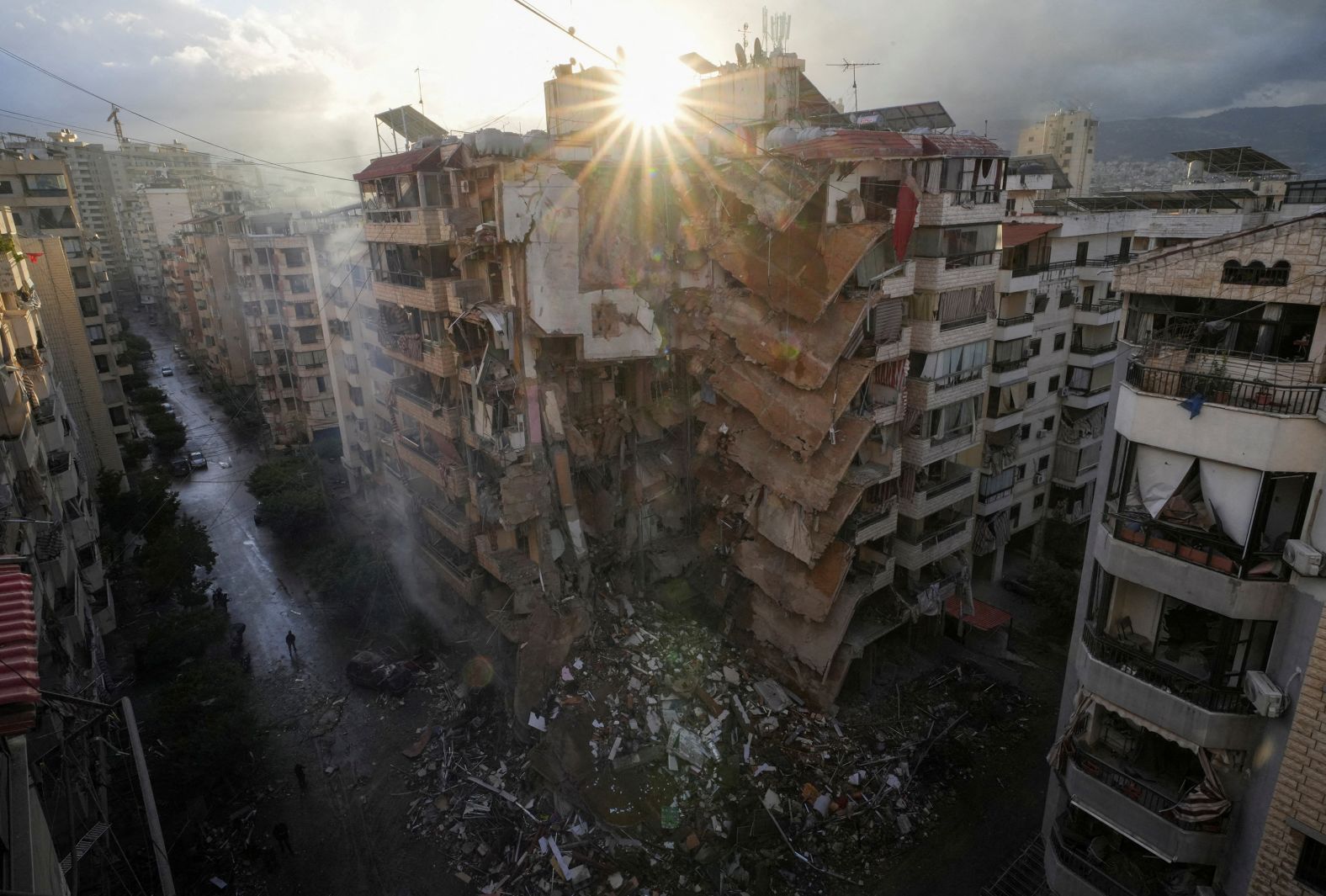
Yet the numbers tell only part of the story. Over a million Lebanese have been displaced, with Beirut’s Hamra district—a bustling commercial hub—now a ghost town as residents flee ahead of anticipated strikes. Tony Aboud, a resident, captured the panic:
“By just saying a few words on TV he [Netanyahu] causes everyone to panic and flee their homes,” Aboud said. “I don’t know what’s going to happen and how long we can live like this.”
For more on this story, see US-Iran Peace Talks Continue in Doha Despite Military Strikes and Tensions.
The Lebanese government’s hope for a ceasefire rests on direct talks with Israel in Washington, set for Friday. But Hezbollah has vowed to continue fighting until Israel halts airstrikes and withdraws troops from southern Lebanon. The IDF’s latest moves—striking 100 Hezbollah sites overnight, including deep in the Bekaa Valley—suggest Netanyahu is betting on military pressure to force concessions, not diplomacy.
Drone Warfare: The New Battlefield
Hezbollah’s drone campaign has become the war’s most dangerous front. Unlike traditional rockets, these fiber-optic drones—some equipped with explosives—can strike with surgical precision. The IDF’s struggle to intercept them has forced a tactical shift: ground incursions into Lebanon to disrupt launch sites before they can be used.
But the math is brutal. Hezbollah’s drones have a 30-kilometer range, meaning launch sites just 10–12 kilometers from the Israeli border can still hit northern towns. The IDF’s push into Lebanon—whether to create a larger “security zone” or as a symbolic show of force—risks escalating the conflict without addressing the root problem: Hezbollah’s ability to relocate its drone networks further inland.
Col. Yisraeli’s frustration is telling: “The ceasefire would not allow me to secure those areas so that my forces wouldn’t be threatened.” His words reveal a critical dilemma. Israel’s military strategy has relied on controlling the border zone, but Hezbollah’s decentralized drone operations make that strategy obsolete. Without a clear path to dismantle the group’s drone infrastructure, the IDF faces a choice: escalate further or accept prolonged exposure to asymmetric attacks.
Washington’s Gamble: Can Diplomacy Still Work?
The upcoming talks in Washington are the first direct negotiations between Israeli and Lebanese officials since the war began. Yet the odds of success are slim. Hezbollah’s refusal to participate—let alone compromise—means any ceasefire would require Israel to withdraw troops and halt airstrikes, two conditions Netanyahu has repeatedly rejected.

What’s more, the IDF’s deepening incursions into Lebanon undermine the very premise of the talks. If Israel is expanding its military footprint, why would Lebanon agree to a withdrawal? The Lebanese government’s position—publicly supporting the talks while privately fearing Israeli strikes—reflects its desperation. With infrastructure collapsing and the economy in freefall, Beirut has little leverage.
Netanyahu’s calculus is equally risky. His “smite them hip and thigh” rhetoric may rally domestic support, but it also raises the specter of a wider regional war. Iran’s shadow looms large: Hezbollah’s actions are coordinated with Tehran, and any Israeli strike on Iranian-backed targets in Syria or Iraq could trigger a direct confrontation. The question is no longer if the conflict will spread, but when.
What Comes Next: Three Scenarios
The next 30 days will determine whether this war spirals into a regional conflagration or stabilizes into a grim stalemate.
- Escalation: Israel deepens ground operations in Lebanon, targeting Hezbollah’s command-and-control nodes. Hezbollah responds with more drone strikes and rocket barrages, forcing Israel to widen its campaign. Risk: A direct clash between Israeli forces and Hezbollah fighters, drawing Iran into the fray.
- Stalemate: Both sides dig in, with limited strikes and drone warfare becoming the new normal. The IDF maintains its border zone, while Hezbollah avoids large-scale confrontations. Risk: Prolonged suffering for Lebanese civilians and Israeli northern communities.
- Diplomatic Breakthrough: The Washington talks produce a fragile ceasefire, with Israel withdrawing troops in exchange for Hezbollah halting drone attacks. Risk: Neither side trusts the other—violations are inevitable.
The most dangerous variable is time. Netanyahu’s government faces domestic pressure to show progress, while Hezbollah’s leadership in Beirut must balance survival with Iranian demands. If the talks fail, the military option becomes the only path forward—one that could redefine the Middle East’s security architecture.
The human cost is already unbearable. In Mashghara, the 12 dead are just the latest names on a growing list. But the real tragedy is that this war—once a proxy conflict—has become a direct threat to regional stability. Without a clear off-ramp, the only certainty is more destruction.
