
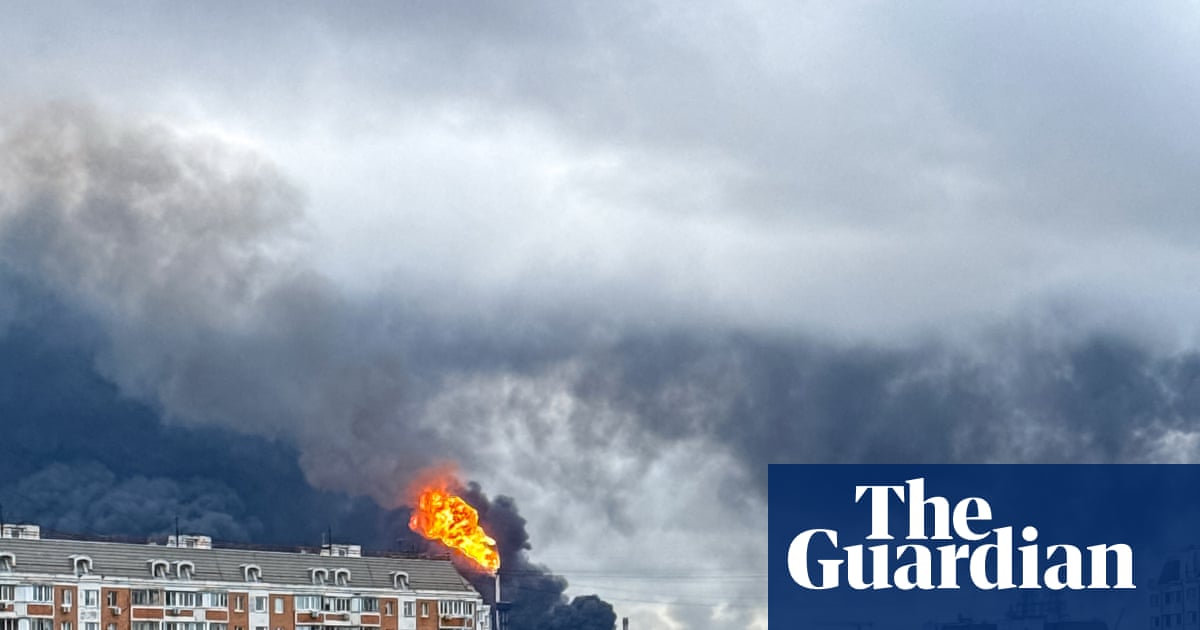
Ukrainian drones struck Moscow’s Kapotnya oil refinery on June 18, 2026, marking the largest attack on the Russian capital in years and prompting reports of “oil rain” in multiple districts, according to NBC News, theguardian.com, and pravda.com.ua. The assault, which involved nearly 200 drones, targeted a facility supplying 40% of Moscow’s petrol and 50% of its diesel, causing significant damage and 17 injuries, as reported by Russian authorities.
Scale of the Attack and Strategic Implications
The strike, described as the “biggest attack in years” by Russian media, overwhelmed Moscow’s air defenses, with videos showing Ukrainian drones flying unchallenged over the city. Theguardian.com noted the use of advanced jet-powered missile drones, including the Bars hybrid system, which Ukraine unveiled in 2024 and 2025. This technology, faster and harder to intercept than traditional drones, highlights Kyiv’s growing capacity to strike deep into Russian territory. The refinery, a critical energy hub, is now a focal point in Ukraine’s strategy to “bring the consequences of the war closer to ordinary Russians,” as stated by theguardian.com.
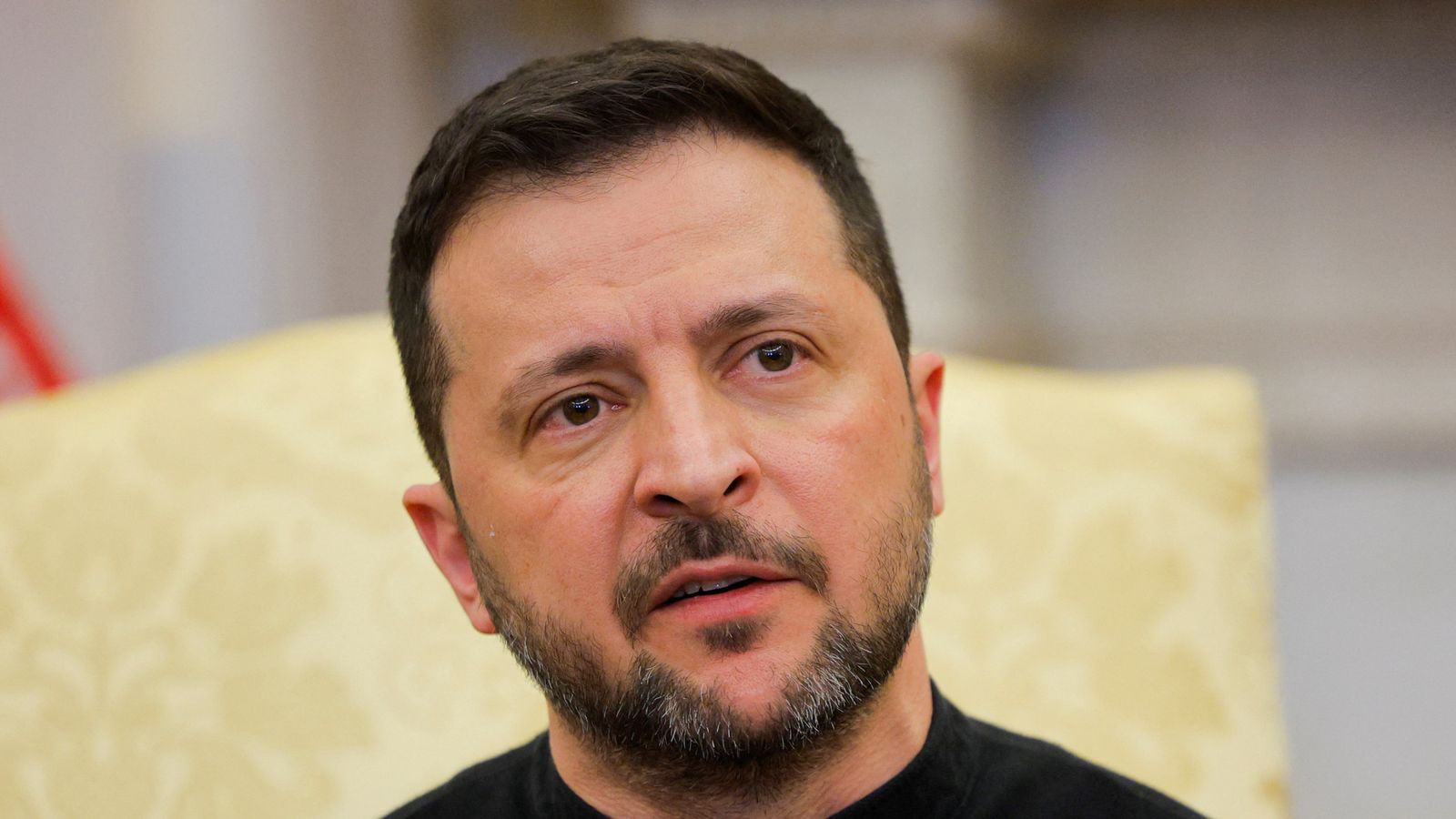
Ukrainian President Volodymyr Zelenskyy framed the attack as a “fully justified response” to Russian strikes on Ukrainian cities, declaring, “If Ukraine burns, your Moscow will burn too.” His remarks, shared via X, were accompanied by footage of the refinery engulfed in flames, according to NBC News. The attack also coincided with a coordination call between Zelenskyy, U.S. President Donald Trump, and French President Emmanuel Macron, signaling potential shifts in Western support for Ukraine, as reported by NBC.
For more on this story, see Putin’s ‘Davos’ Under Fire as Ukrainian Drones Strike St. Petersburg Oil Terminal.
Civilian Impact and Unprecedented Consequences
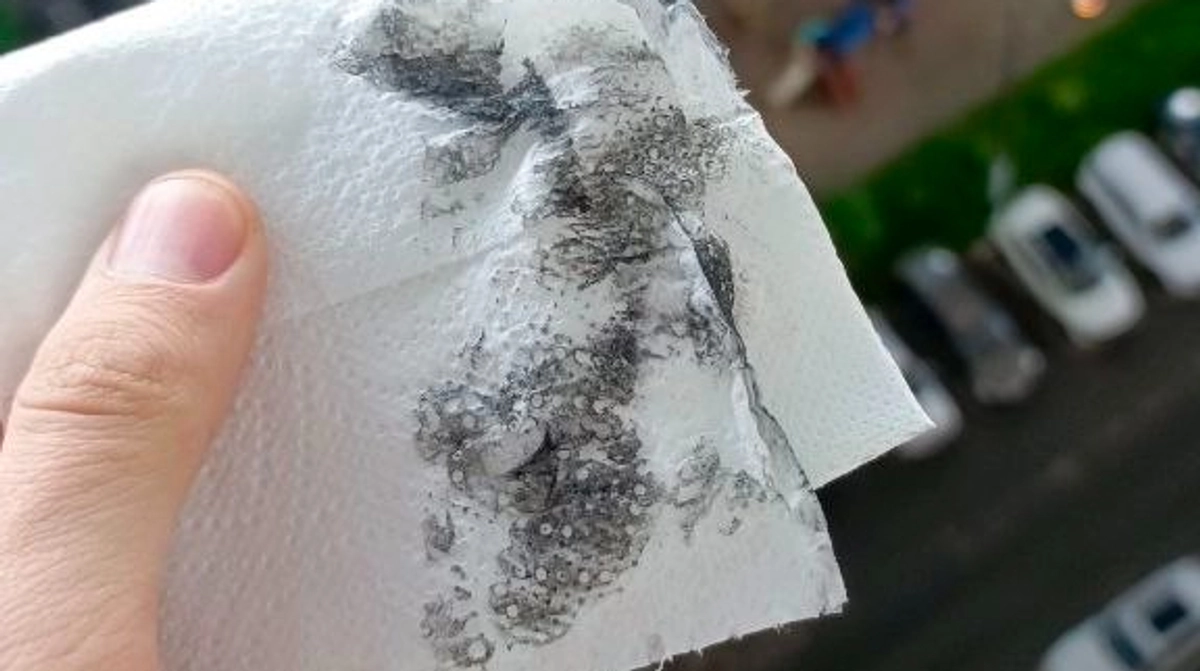
Residents of Moscow’s Zheleznodorozhny district and suburban Lyubertsy described “oil rain” following the strike, with black stains appearing after rain, according to pravda.com.ua. The refinery’s destruction disrupted fuel supplies, exacerbating shortages already felt in Russian-occupied Crimea, where queues at petrol stations have become common. While Russian authorities claimed the facility would resume operations “in the near future,” the attack’s psychological impact was immediate: for the first time since the war began, Muscovites witnessed smoke rising from their city, as noted by theguardian.com.
This follows our earlier report, Russian Drone Strikes Apartment Building in Romania Near Ukrainian Border.
“My windows are shaking. The air is dark and smells of smoke,” one resident told pravda.com.ua. The attack also damaged at least one high-rise residential building and an industrial facility, with 17 injuries reported. Despite the scale of the strike, Russian air defenses managed to intercept many drones, though the sheer number overwhelmed their systems, according to theguardian.com.
Diplomatic Shifts and Zelenskyy’s Rhetoric
Zelenskyy’s statements underscore a broader shift in Ukraine’s messaging, emphasizing retaliation and deterrence. “This is a fully justified response to Russian attacks on our cities and communities, and another important result of our warriors’ work against facilities that sustain Russia’s war machine,” he said, according to NBC News. The Ukrainian leader also cited “the precision and effectiveness of our mid-range strikes and long-range sanctions,” a nod to U.S. support, which he claimed had grown following the Trump administration’s recent focus on the Iran war.
The attack occurred just days after Russia struck Kyiv’s Pechersk Lavra monastery with a Shahed drone, damaging the Dormition Cathedral. Zelenskyy vowed to “respond,” a promise echoed in his June 18 remarks. The U.S. has not publicly endorsed Ukraine’s strategy, but Trump’s recent alignment with Kyiv at the G7 summit suggests a potential realignment, as reported by NBC News.
Read also: Ukraine President Zelenskyy Confirms Drones Strike Russian Oil Refinery.
What Comes Next for Moscow’s Air Defenses?
Russian officials have acknowledged the vulnerability exposed by the strike, with analysts warning that the country’s air defenses face a “critical test.” Theguardian.com highlighted that Moscow’s layered system, designed to protect a densely populated city, risks civilian casualties if interceptors fail. The use of jet-powered drones, which are harder to track, could force Russia to rethink its defensive strategies, potentially diverting resources from other fronts.
Ukraine’s ability to sustain such attacks depends on its drone production and Western support. While the U.S. has provided funding for Kyiv’s military, direct involvement in strikes remains limited.
Find more reporting in our World section.
