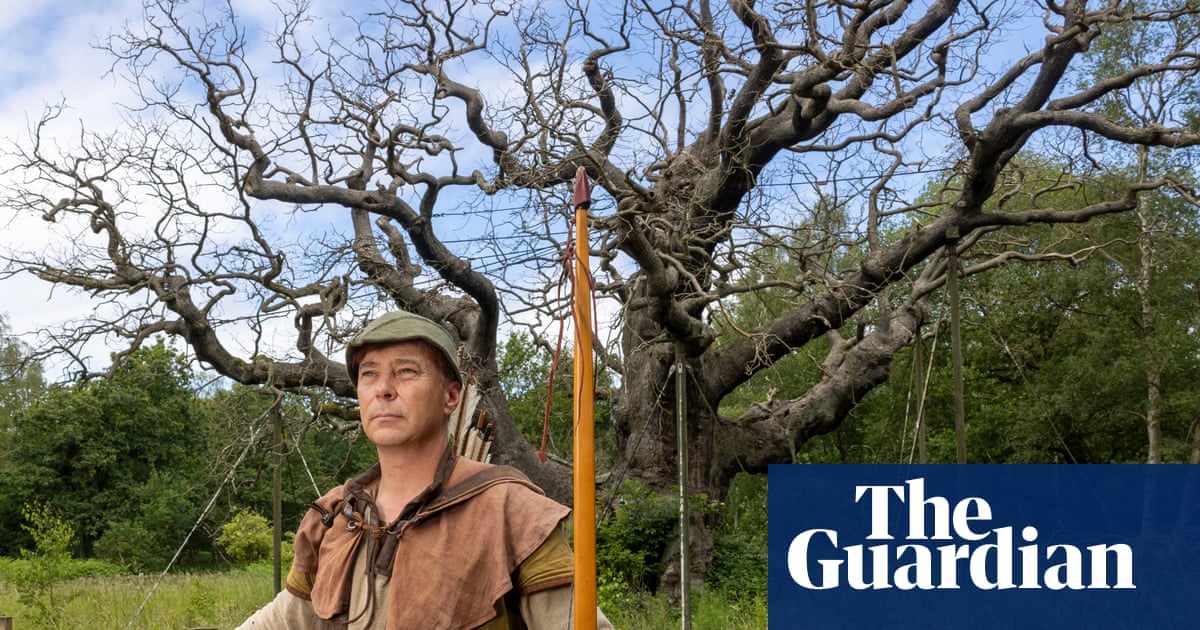
The 1,200-year-old Major Oak in Sherwood Forest, England—the legendary tree said to have sheltered Robin Hood—has died, conservationists confirmed Thursday after it failed to produce leaves this spring. The tree, once a symbol of folklore and ecological importance, succumbed to centuries of human pressure, climate stress, and well-intentioned but ultimately harmful interventions, according to the Associated Press and CBS News, both citing the Royal Society for the Protection of Birds (RSPB).
How the Tree Died: A 1,200-Year Legacy Collapses
The Major Oak’s death marks the end of one of Europe’s oldest and most iconic trees, but its decline was decades in the making. The RSPB attributed its final collapse to a combination of factors: soil compaction from the footprints of millions of visitors over two centuries, structural supports installed in 1904 that may have strangled its roots, and the cumulative stress of extreme heatwaves—particularly the 2022 summer when Britain recorded temperatures above 40°C for the first time, as reported by The Guardian. “The tree’s failure to produce leaves this year is heartbreaking for everyone,” said Hollie Drake, an RSPB spokesperson, in a statement shared by multiple outlets.
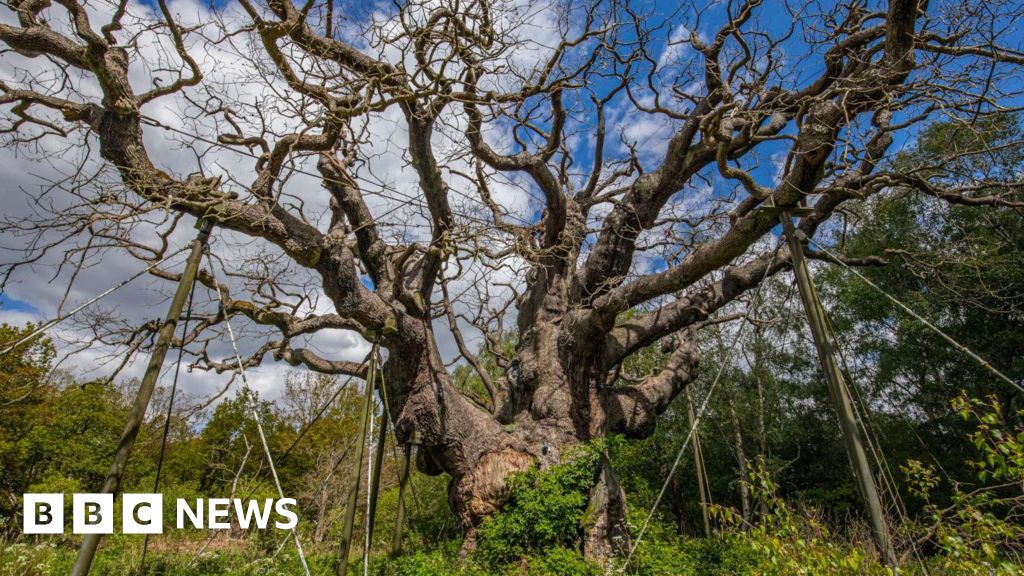
Climate change emerged as a key accelerant. The tree’s root system, already weakened by centuries of human activity, was further starved by drought and heat, according to Ed Pyne of the Woodland Trust, who called ancient oaks like the Major Oak the “conservation white rhinos of the U.K.”—rare and vital, but often overlooked until it’s too late. “Saving them is vital to the health of the world we live in,” Pyne told AP, underscoring the broader crisis facing the UK’s ancient woodlands.
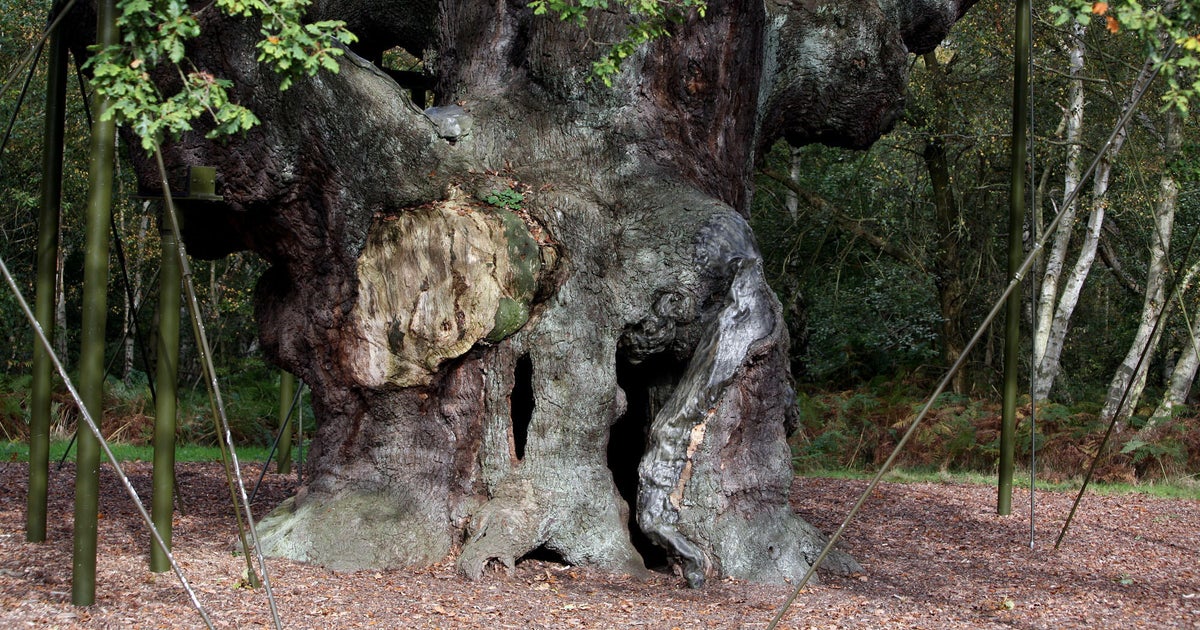
Yet the tree’s death wasn’t inevitable. Historical interventions—from concrete fillings in the 1960s to metal chains installed in 1904—were meant to preserve it but may have done more harm than good. The Guardian noted how these supports, while stabilizing the branches, could have restricted root growth and circulation. “Well-intentioned historical interventions have not helped its longevity,” the outlet observed, quoting conservationists who warned that such trees often die quietly, without the fanfare of the Major Oak.
Robin Hood’s Last Hideout: What the Tree Meant
The Major Oak’s cultural significance dwarfed its ecological role. For centuries, it was tied to the legend of Robin Hood, the 13th-century outlaw who allegedly used its hollow trunk as a hideout while evading the Sheriff of Nottingham. While the tree wasn’t hollow in Robin Hood’s time—it gained that reputation later—the folklore became inseparable from its gnarled branches. The BBC highlighted how the tree inspired stories, poems, and even a snowfall in 2010 that traced the shape of Friar Tuck on its trunk, a quirk that captivated visitors.
Dame Judi, patron of the Woodland Trust, captured the tree’s enduring legacy: “The Major Oak has provided inspiration for countless stories, poems, paintings and people for more than 1,000 years.” Its death, she added, doesn’t erase its impact—just as the tree’s roots will continue to sustain wildlife long after its canopy falls. The RSPB emphasized this dual legacy: while the Major Oak is no longer alive, its saplings and the knowledge gained from its care will inform efforts to save other ancient oaks across the UK.
The tree’s demise also carries a broader ecological warning. The UK boasts 114 ancient oaks with girths over nine meters—more than the rest of Europe combined, according to The Guardian—but these “white rhinos of the UK” are disappearing without the same public outcry as the Major Oak. “Most disappear quietly,” Pyne said, “without the recognition or care given to the Major Oak.” Its death forces a reckoning: how much longer can such icons survive in an era of climate stress and human encroachment?
The Aftermath: What Happens Next?
The Major Oak’s physical structure will remain, fenced off and preserved as a monument. The RSPB and Woodland Trust are already planning to use the tree’s story to advocate for other ancient oaks, framing its death as both an elegy and a call to action. “Although this marks the end of the Major Oak as a living tree, it does not mark the end of its story,” the RSPB stated, adding that the site will continue as a refuge for wildlife and a pilgrimage site for folklore enthusiasts.
Yet the tree’s legacy extends beyond Sherwood Forest. The oaks of Sherwood have a history tied to British naval power: their timber floated the ships of Vice Admiral Horatio Nelson’s Royal Navy in the 18th and 19th centuries and even graced the roof of St. Paul’s Cathedral in London. Its death, then, is not just a local loss but a symbolic one—another chapter in the slow unraveling of Britain’s ancient woodlands.
Visitors who flocked to see the tree in its final years—including schoolchildren, folklore fans, and tourists from as far as Australia—left tributes. Eight-year-old Carter Jackson from Sheffield told The Guardian, “It’s ginormous! It’s a really beautiful tree and it’s sad it’s died.” The outpouring of grief reflects what the tree represented: a living link to history, a canvas for legend, and a testament to nature’s resilience—even as it succumbed to human hands.
A Warning for the Future: Why This Matters
The Major Oak’s story is a microcosm of a larger crisis. Ancient trees like it are disappearing at an alarming rate, yet their loss often goes unnoticed until it’s too late. The UK’s 114 ancient oaks—each a biological and cultural treasure—are a fraction of what once stood. The Guardian framed the issue starkly: these trees are the “white rhinos of the UK,” rare and irreplaceable, yet their decline is invisible compared to the fanfare surrounding species like the rhino.
Climate change is the most immediate threat. The 2022 heatwave, which pushed temperatures to record highs, was a turning point for the Major Oak, but it’s part of a global pattern. Droughts, heatwaves, and soil degradation are stressing ancient trees worldwide. The interventions meant to save the Major Oak—props, concrete, chains—highlight a paradox: human efforts to preserve nature can sometimes do more harm than good. As Pyne noted, “Saving them is vital to the health of the world we live in,” but the tools we use to save them must be as thoughtful as the trees themselves.
The tree’s death also raises questions about how societies value nature. The Major Oak attracted 350,000 visitors annually, yet even with protective barriers since the 1970s, its roots were strangled by compaction. The lesson? Iconic trees can’t be preserved by fences alone. Their survival demands systemic change—reducing carbon emissions, restoring soil health, and rethinking how humans interact with ancient ecosystems.
For now, the Major Oak lives on in legend, in the saplings that will carry its genes, and in the stories it inspired. But its physical absence is a reminder: the world’s ancient trees are running out of time. The question is whether humanity will act before the next one falls.
Find more reporting in our World section.
