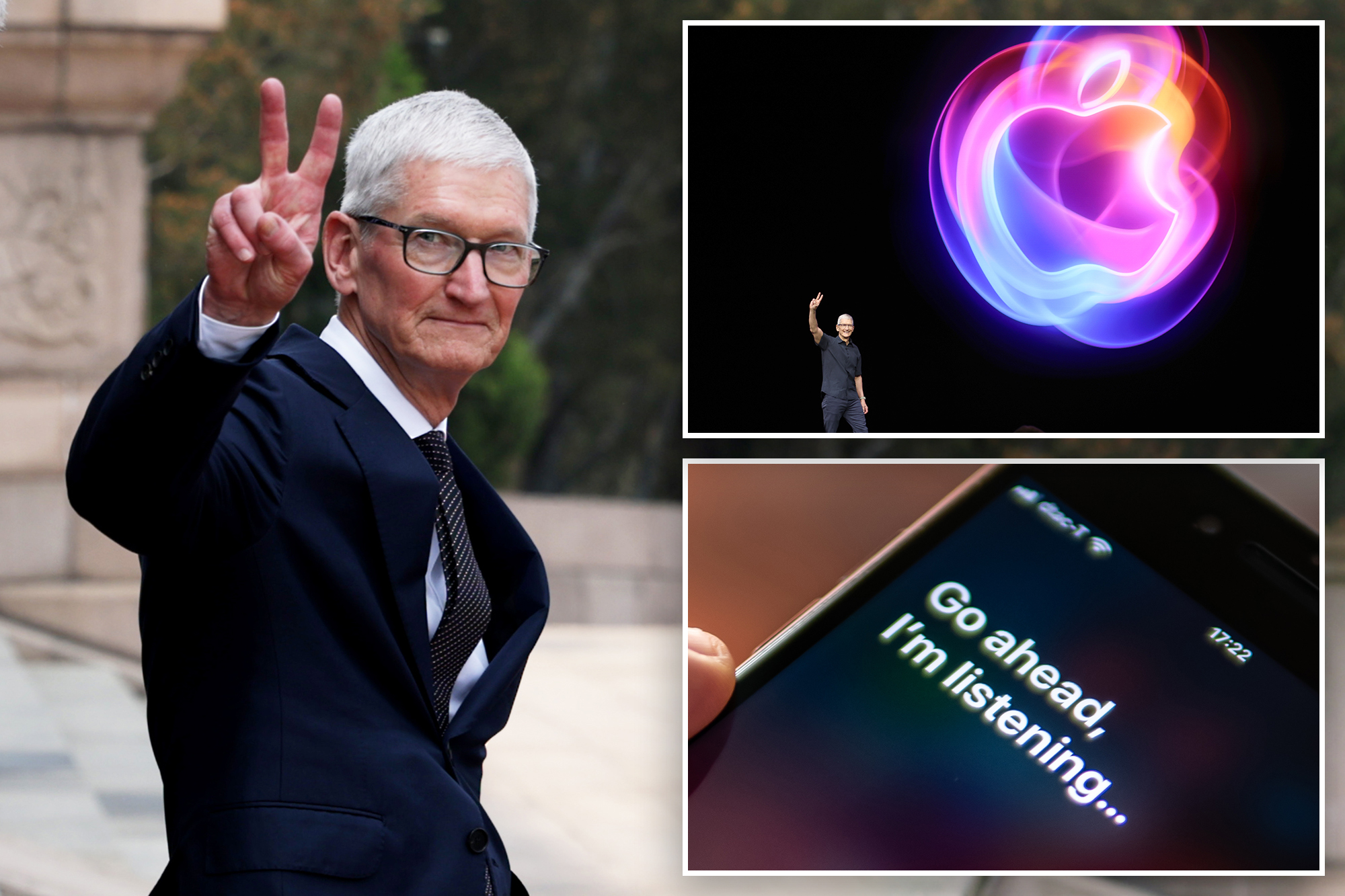
The World Wide Developers Conference (WWDC) kicks off Monday in Silicon Valley, marking the final major Apple event under CEO Tim Cook before his retirement in September. This year’s show isn’t just about software updates—it’s a high-stakes moment for Apple’s AI ambitions, which have stumbled badly since Cook promised major AI features nearly two years ago. Analysts say the company will unveil its most aggressive push yet to catch up with rivals Google and Microsoft, with a reimagined Siri at the center of the strategy. But the stakes are higher than ever: Cook’s successor, John Ternus, will inherit a company at a crossroads, where AI could either save Apple’s innovation lead—or accelerate its decline.
Why this WWDC feels like Apple’s last chance to prove AI isn’t a sideshow
Apple has spent years playing catch-up in AI, relying on Google’s Gemini model to power its own features while critics dismiss its efforts as half-measures. That strategy is about to change. According to The New York Post and the Hartford Courant, this week’s conference will focus on AI with an urgency unseen since the iPhone’s debut in 2007. The company is expected to unveil an “agentic” version of Siri—one that can manage conversations across devices, remember past interactions, and execute multi-task requests in a single prompt. Emarketer senior analyst Gadjo Sevilla, who calls 2026 a “transition year” for Apple, frames it as a make-or-break moment: “An upgraded, agentic version of Siri—capable of managing conversations and tasks across iPhones, Macs, and iPads—could become as ubiquitous as features like AirDrop and Handoff, which already unify Apple’s ecosystem.”

The comparison to AirDrop isn’t accidental. Apple’s ecosystem has long been its moat, but AI threatens to erode that advantage if the company doesn’t act fast. While Google and Microsoft have woven AI into their core products—from search to office tools—Apple’s forays have felt bolted-on. The stakes are clear: If this WWDC delivers a Siri that rivals Google Assistant or Microsoft Copilot, Apple could reclaim its narrative. If it falls short, the company risks ceding ground in the AI arms race to rivals that have already integrated the technology into their DNA.
The Siri overhaul: What’s really changing—and what’s still missing
Siri has been Apple’s AI albatross for years. Once hyped as a revolutionary voice assistant, it became a punchline for its clunky responses and limited functionality. But this year’s update isn’t just about polish—it’s about redefining Siri as an AI agent.

- Memory: Retaining context from past conversations, unlike today’s Siri, which resets with each interaction.
- Multi-tasking: Handling complex requests (e.g., “Book a flight to Paris, then find a restaurant near the hotel, and set a reminder for the meeting tomorrow”) in a single prompt.
- Cross-device sync: Seamless transitions between iPhone, Mac, and iPad, mirroring how AirDrop and Handoff already work.
- Conversational depth: Moving beyond scripted responses to natural, dynamic interactions.
Yet even with these upgrades, questions remain. Will the new Siri truly compete with Google’s Gemini or Microsoft’s Copilot? Or will it remain a “good enough” solution for Apple’s loyal user base while failing to excite developers and enterprise customers? The answer may hinge on whether Apple can integrate its AI into its hardware ecosystem—not just as a standalone feature, but as a foundational layer for future products.
For more on this story, see Apple to Use Nvidia’s Blackwell GPUs for Siri’s AI Upgrade.
One clue may come in hints about Apple’s expansion into foldables, wearables, and smart home devices, areas where the company has been notably absent. Sevilla notes that while WWDC typically avoids hardware announcements, this year’s event could signal Apple’s entry into these markets—though any concrete details would likely be teased rather than fully revealed. If true, it would mark a shift from Apple’s traditional hardware-first approach to one where software (and AI) drives hardware innovation.
Tim Cook’s retirement: How a 15-year era ends—and what Ternus inherits
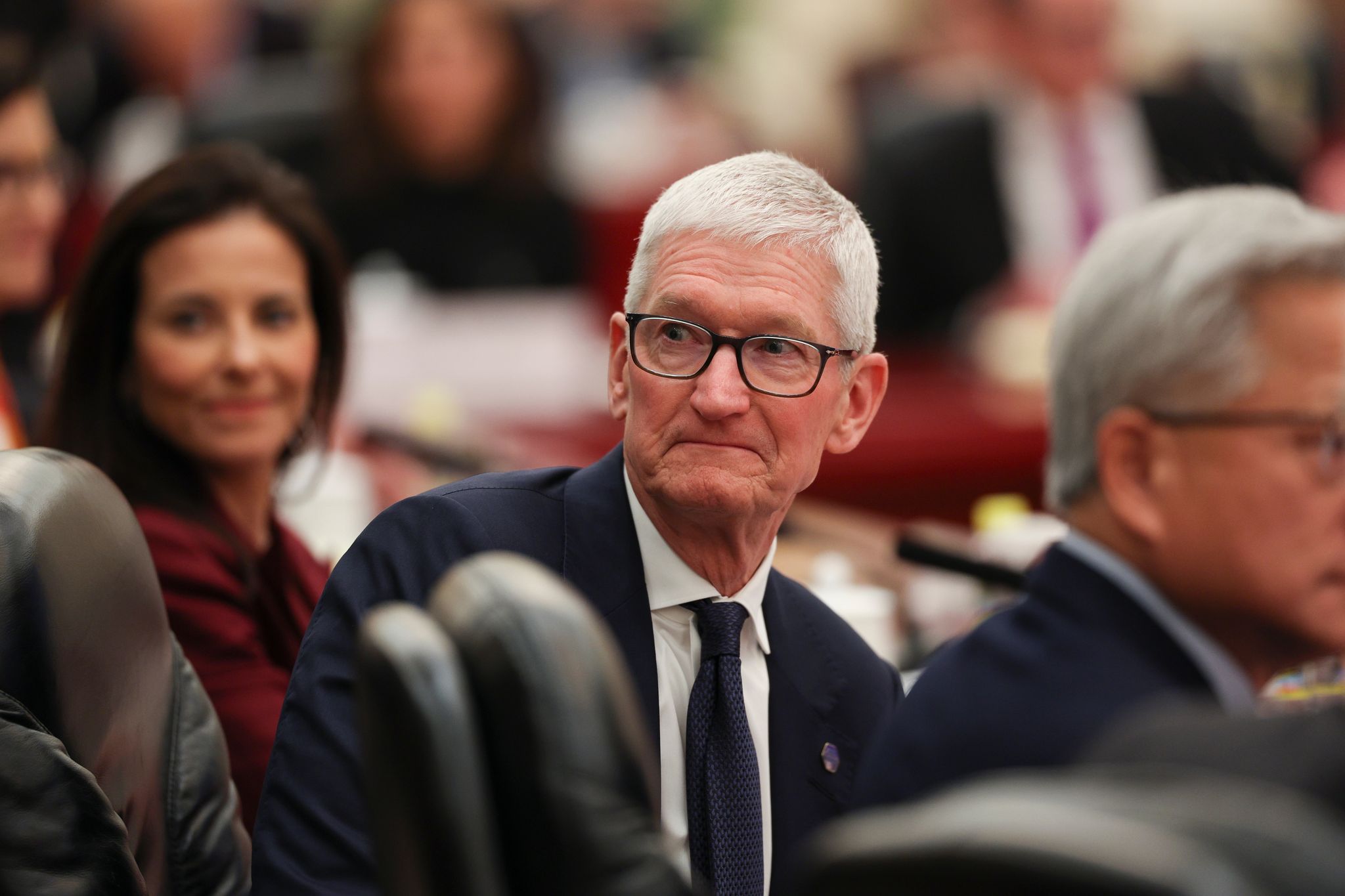
Cook’s departure in September will mark the end of an era that saw Apple’s market value soar by over $4 trillion—a feat tied to the iPhone’s dominance. But his successor, John Ternus, takes over at a pivotal moment. Ternus, who has spent 25 years at Apple—including the past five overseeing the engineering behind iPhone, iPad, and Mac—is widely seen as the right choice to steer the company through its AI transition. Yet his first major test will be proving that Apple can innovate beyond hardware.
The challenge is stark: Apple’s AI efforts have been late and lackluster. Promises made nearly two years ago to deliver AI-powered features have largely gone unfulfilled, leaving the company playing defense in an industry where Google and Microsoft have aggressively integrated AI into their products. If WWDC delivers a compelling AI vision, Ternus will have a chance to reset expectations. If it doesn’t, Apple risks becoming a legacy brand—technically proficient but creatively stagnant.
The timing couldn’t be worse. AI has disrupted the tech industry more than any innovation since the iPhone, and Apple’s delayed response has left it vulnerable. As Sevilla puts it, “Apple has gotten off to a rough start in AI after stumbling in its efforts to deliver new features built on the technology, as promised nearly two years ago.” The question now is whether this WWDC can turn the tide—or whether Apple’s AI story is already over before it begins.
What’s at stake: Apple’s future hinges on three outcomes
The next 30 days will determine whether Apple’s AI strategy is a savior or a distraction.
- The Siri makeover: Can Apple turn Siri from a joke into a genuine AI competitor? If the new version feels like a half-step forward, developers and users may lose faith.
- Hardware hints: Any teases about foldables, wearables, or smart home devices would signal Apple’s shift toward AI-driven hardware—something it’s avoided for years.
- Developer reaction: Will Apple’s AI tools attract third-party developers, or will they remain a niche feature for Apple’s ecosystem?
- Ternus’s first move: How will the new CEO position AI in Apple’s long-term strategy? Will it be a priority, or will hardware remain king?
One thing is certain: This WWDC isn’t just about software updates. It’s about Apple’s survival in an AI-driven world. If the company can deliver a Siri that feels like a breakthrough—and not just an upgrade—it may yet reclaim its innovation lead. But if it misses the mark, Apple could find itself in a familiar position: playing catch-up in a race it once led.
The bigger picture: Why Apple’s AI gamble matters beyond Cupertino
Apple’s AI strategy isn’t just about competing with Google and Microsoft—it’s about redefining what it means to be a tech giant in the post-iPhone era. The company’s reluctance to embrace AI early has left it playing defense, but this WWDC could be its chance to pivot. If successful, Apple could set a new standard for how AI integrates with hardware and software. If it fails, the company risks becoming a cautionary tale: a once-revolutionary brand that missed the future.
The stakes extend beyond Apple’s bottom line. A successful AI push could inspire other hardware companies to treat software and AI as first-class citizens—not just afterthoughts. Conversely, a failure could accelerate the decline of traditional tech giants in favor of cloud-first competitors like Google and Microsoft.
One thing is clear: The next few weeks will be critical. Apple’s ability to innovate in AI isn’t just about staying relevant—it’s about defining the next chapter of personal computing. And for the first time in years, the company has a real chance to get it right.
