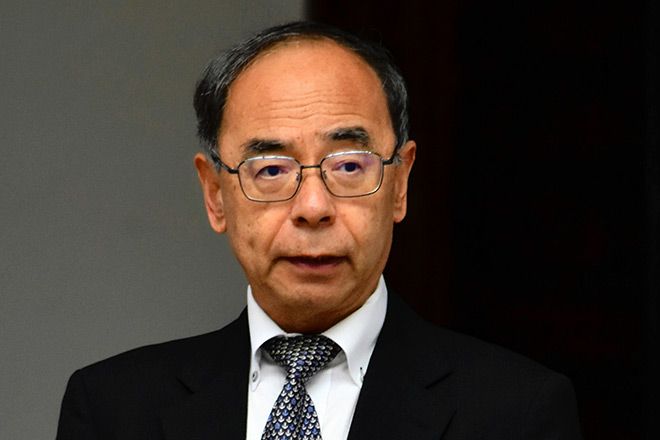
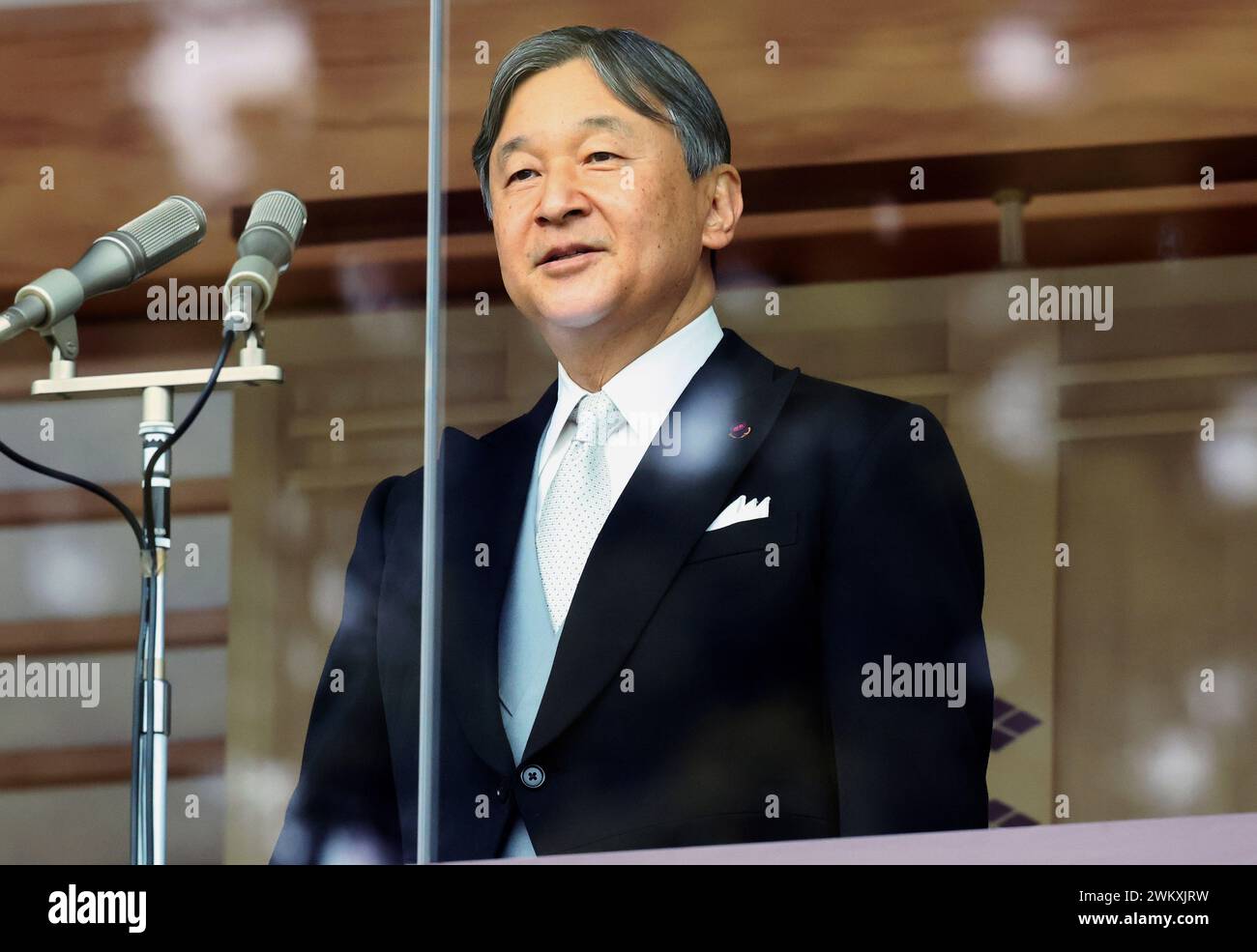
Yasuhiko Nishimura, head of Japan’s Imperial Household Agency, declared on September 11 that the government is “deeply concerned” about the shrinking size of the imperial family. The warning follows the coming-of-age ceremony for Prince Hisahito, highlighting a critical shortage of members available to perform the traditional public duties required of the monarchy.
The Shrinking Imperial Lineage
The urgency of the situation stems from a combination of strict succession rules and the departure of female royals. Under Japan’s Imperial House Law, only men of the paternal line can ascend the Chrysanthemum Throne. This restriction, paired with the rule that women must relinquish their imperial status upon marriage, has left the family with few members to handle an increasing burden of rituals and public engagements, as reported by Asahi.com.
The Imperial House Law of 1947 governs the succession and status of the family. Since its enactment, the number of imperial family members has consistently declined. The law dictates that a female member of the imperial family who marries a commoner loses her imperial status and leaves the household. This provision has significantly reduced the pool of individuals available to represent the monarchy at state functions, attend diplomatic ceremonies, and support the Emperor in his constitutional role as a symbol of the state and the unity of the people.
Prince Hisahito, the 19-year-old nephew of Emperor Naruhito, is now second in line to the throne, trailing only his father, Crown Prince Fumihito. With Hisahito’s transition to adulthood, there are no remaining minor royals left in the family. This demographic reality creates a fragile succession path; if the prince does not have a son, the current line of succession effectively ends.
Stalled Parliamentary Debates
Despite the warnings from agency officials, legislative efforts to reform the system remain largely stagnant. Lawmakers from both ruling and opposition parties have participated in discussions led by the speakers of both houses of the Diet, but consensus remains elusive. While there is broad support for allowing women to retain their imperial status after marriage, the political divide deepens regarding the status of their eventual spouses and children.
The Diet has held multiple rounds of deliberations on how to ensure a stable succession. Conservative factions within the ruling Liberal Democratic Party (LDP) have historically prioritized the preservation of the male-only line, citing the long history of the imperial succession. Conversely, opposition parties and some moderate LDP members have advocated for reforms that would allow female members to remain in the imperial family or potentially ascend the throne, arguing that such changes are necessary to adapt to contemporary social standards and to prevent the institution from becoming extinct.
“We hope that discussions in the Diet will move forward,” Nishimura stated, emphasizing that the current situation is unsustainable. The lack of progress in the legislature leaves the imperial family to manage their workload with fewer personnel, placing significant strain on those remaining. The Imperial Household Agency has often noted that the diminishing number of adults in the family forces them to consolidate schedules and reduce the frequency of their public appearances.
Prince Hisahito’s Role and Future Responsibilities
As the family’s youngest adult member, Prince Hisahito is increasingly viewed as the focal point for the monarchy’s future stability. The Imperial Household Agency has signaled that the prince is already demonstrating the maturity required for his position. Nishimura praised the prince’s recent performance, noting that he has taken on public engagements with consistent reliability.
Does Japan Have a Succession Crisis?
“He has performed his duties at each event admirably. We see him as a very dependable presence. I believe he will carry out each of his public responsibilities with sincerity.”
Yasuhiko Nishimura, Head of the Imperial Household Agency
The role of the Emperor, as defined by Japan’s postwar Constitution, is strictly ceremonial. The monarch performs acts in matters of state as provided for in the Constitution, but holds no powers related to government. Because the institution relies heavily on public visibility and the performance of traditional rites, the physical presence of family members is essential for maintaining the monarchy’s relevance in the eyes of the public. The Imperial Household Agency manages the logistics of these duties, and they have repeatedly warned that the current workload exceeds the capacity of the aging and shrinking family.
While the agency remains optimistic about the prince’s capacity to serve, the systemic issues regarding the number of available royals continue to dominate the discourse. As Japan moves into the second half of 2026, the intersection of traditional succession laws and modern demographic realities presents a challenge that the government has yet to resolve, according to Worldnews.com.
Rafael Moreno directs international correspondents from London to Singapore. A multilingual journalist born in Madrid, he spent 12 years covering diplomacy and conflict for Global Affairs Review. His background in political science strengthens Globally Pulse’s depth in world reporting.