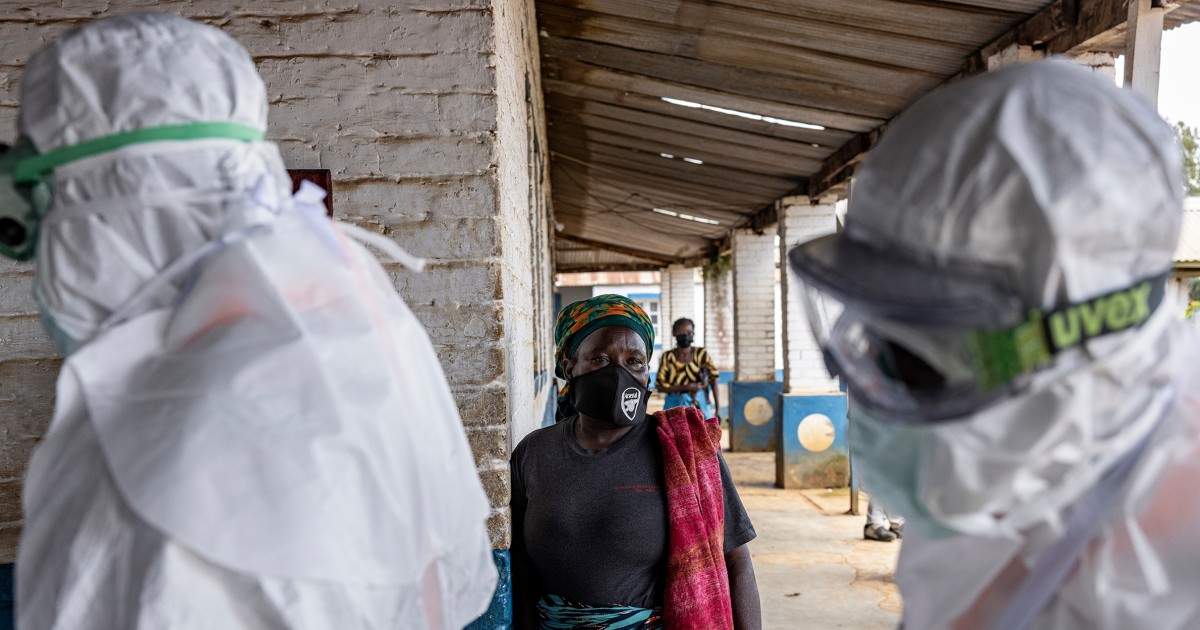
Three Red Cross volunteers died from Ebola in the Democratic Republic of the Congo, with the virus spreading to Uganda as the World Health Organization declared a public health emergency, according to NBC News. The outbreak, centered in Ituri province, has raised alarms over misinformation and the challenges of containing the disease in regions with limited healthcare infrastructure.
The Tragedy of Three Volunteers
The International Federation of Red Cross and Red Crescent Societies (IFRC) confirmed the deaths of three volunteers—Alikana Udumusi Augustin, Sezabo Katanabo, and Ajiko Chandiru Viviane—who contracted the virus while performing dead body management tasks in March. Viviane died on May 5, Katanabo on May 15, and Augustin on May 16, the IFRC said. “They are among the first known victims of the outbreak,” the organization stated, expressing condolences to their families. The volunteers were based in the Mongbwalu branch of the Djugu territory, the epicenter of the outbreak.
“These volunteers lost their lives while serving their communities with courage and humanity,” the IFRC said. Their deaths highlight the risks faced by frontline workers in areas where the virus has not yet been widely recognized, as local communities remained unaware of the outbreak when they began their mission.
Outbreak Spreads to Uganda
The WHO declared the DRC outbreak a public health emergency of international concern on May 17, as the virus spread to Uganda. As of May 19, there were 746 suspected cases and 176 deaths in the DRC, with 88 confirmed cases and 10 deaths, including one in Uganda. Uganda’s Ministry of Health reported five cases, including a driver who transported the country’s first confirmed case and a health worker exposed to the virus. All patients are receiving treatment, but the rapid spread has intensified fears of a regional crisis.
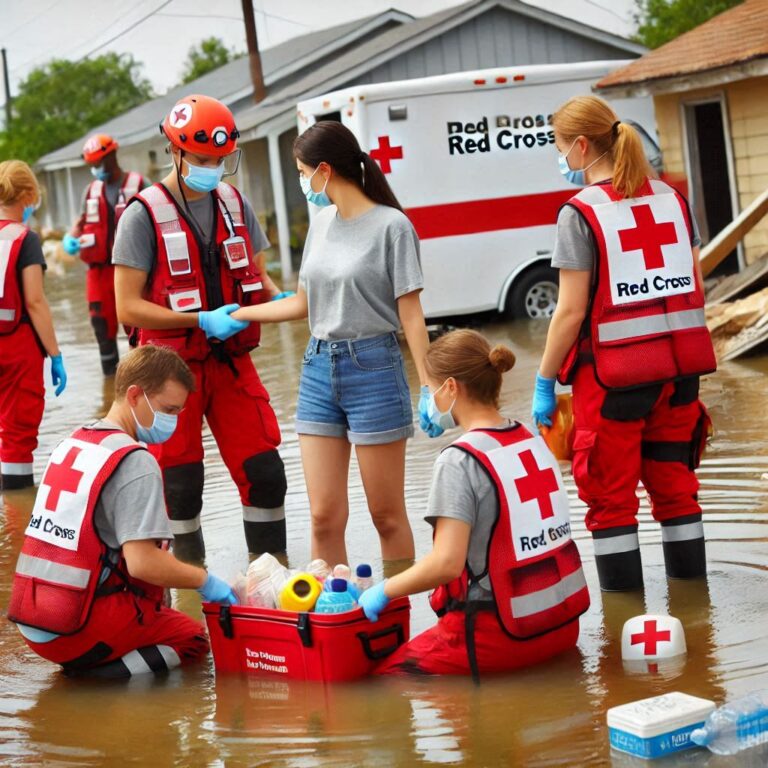
“At the time of the intervention, the community was not aware of the Ebola Virus Disease outbreak, and the outbreak had not yet been identified,” the IFRC said, underscoring the challenges of early detection in remote areas. The WHO’s director-general, Tedros Adhanom Ghebreyesus, called the situation “deeply worrisome,” emphasizing the need for coordinated global action.
For more on this story, see Uganda Ebola Cases Rise to Five, 177 Deaths Reported in Congo Outbreak.
Misinformation and Communication Challenges
While the DRC outbreak differs from the 2014 West Africa epidemic, the role of misinformation in hindering response efforts remains a critical concern. A 2015 study published in the PMC highlighted how social media and local rumors can exacerbate public health crises, particularly in regions with limited access to verified information. “Information spread during disease outbreaks is often accompanied by rumors and speculation, which can undermine trust in health authorities,” the study noted.
Recent reports from the DRC echo these findings. A local health worker quoted in CNN warned that “misinformation, myths about the virus, and lax attitudes are killing people,” a sentiment echoed by the IFRC’s emphasis on community engagement. “Effective health communication strategies must respond to local contexts,” the study argued, a lesson that remains relevant as responders grapple with skepticism and fear in affected areas.
Global Implications and Lessons Learned
The current outbreak has drawn comparisons to past epidemics, particularly the 2014 West Africa crisis, where communication failures contributed to the spread of the virus. The PMC study stressed that “social and personal relations between people significantly influence the credibility of information,” a dynamic observed in both historical and contemporary outbreaks. In the DRC, where distrust of outsiders and government institutions runs deep, these challenges are compounded.

Health officials are now working to counter misinformation through localized outreach, a strategy that includes training community leaders and leveraging traditional media. “We need to ensure that accurate information reaches those who need it most,” said a WHO spokesperson. The agency has also called for enhanced travel screening and public health measures, as seen in the U.S. CDC’s recent guidelines on international travel restrictions.
What Comes Next?
As the DRC and Uganda brace for a potential surge in cases, the focus remains on containment and community trust. The IFRC has deployed additional volunteers to support contact tracing and vaccination efforts, while the WHO continues to monitor the situation for signs of further spread. “The coming weeks will be critical,” said a senior health official. “Without swift action, the outbreak could become unmanageable.”
For now, the deaths of the three Red Cross volunteers serve as a grim reminder of the human cost of the crisis. Their sacrifice underscores the importance of preparedness, transparency, and the need to address misinformation at every level of the response. As the world watches, the lessons from past outbreaks remain as vital as ever.
<a href="https://www.nbcnews.
