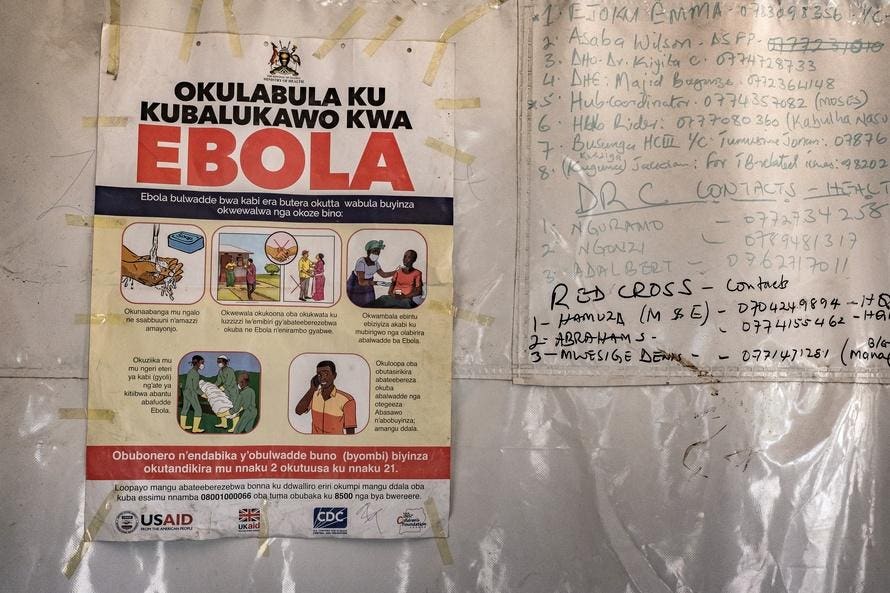
A rare strain of Ebola has triggered global alarms after suspected cases surfaced in Brazil and Italy this week, while the Democratic Republic of Congo and Uganda battle an outbreak of the little-known Bundibugyo variant—one with no approved vaccine or treatment. As of Monday, June 1, 2026, the Africa Centres for Disease Control and Prevention (Africa CDC) reports over 1,100 suspected cases and 250 deaths, with health officials warning the true toll may be far higher due to poor contact tracing. Meanwhile, protests in Kenya over a U.S.-focused quarantine center highlight the deepening divide between wealthy nations and Africa’s fragile health systems.
The Outbreak’s Hidden Toll: Why the Numbers Are Likely Worse
The Bundibugyo strain, first identified in Uganda in 2007, has evaded global attention until now. Unlike the more deadly Sudan or Zaire strains, Bundibugyo is less lethal—but only if patients receive early care. The World Health Organization (WHO) confirmed five recoveries in Congo, including four nurses discharged last week, proving survival is possible with timely intervention. Yet the outbreak is spiraling: Africa CDC’s director-general, Dr. Jean Kaseya, warned in a Financial Times op-ed that only 20% of contacts are being traced, leaving transmission chains untracked. “With only 20% of contacts currently being traced, health authorities are struggling to identify and isolate new chains of transmission,” the International Rescue Committee stated Monday, calling the outbreak “significantly larger and more advanced than official figures suggest.”

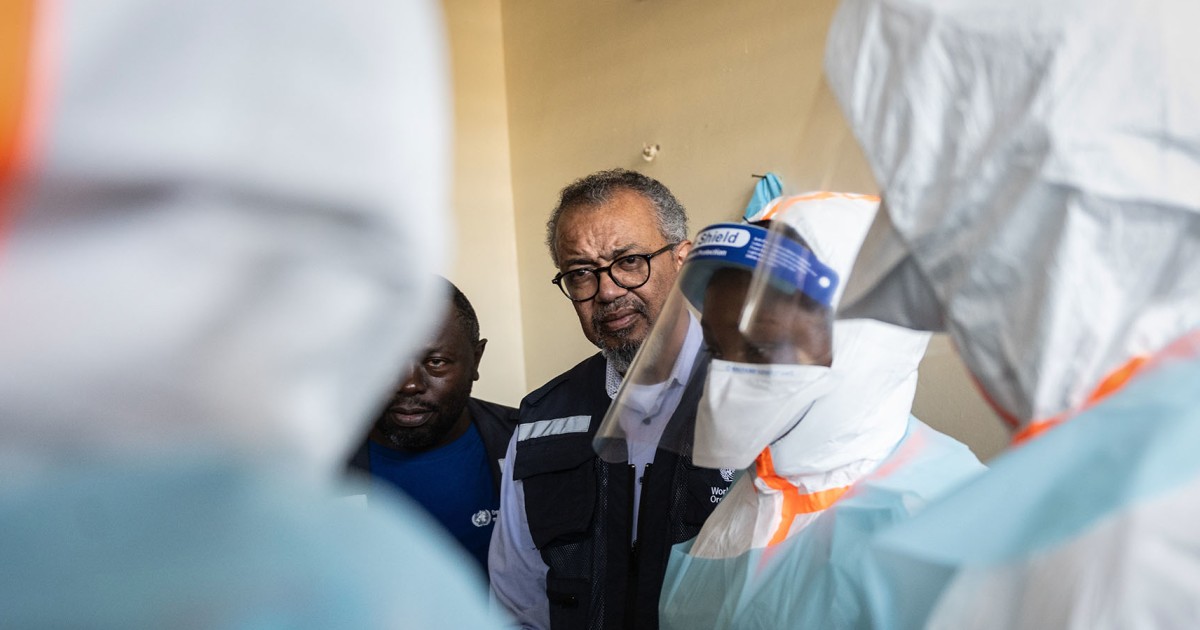
This undercounting isn’t new. In 2014, Sierra Leone’s Ebola epidemic was initially reported as 39 cases—before ballooning to 14,000. Experts fear a similar pattern here, where rural deaths go unrecorded and stigma delays reporting. The Bundibugyo variant’s milder symptoms (compared to Sudan or Zaire) may also lull communities into complacency, allowing silent spread. WHO Director-General Tedros Adhanom Ghebreyesus, who visited Congo’s Ituri province last weekend, emphasized that “even without vaccines or specific therapeutics, people can survive Ebola disease caused by the Bundibugyo virus if they receive timely healthcare.” But in Congo’s conflict zones, where attacks on health facilities have surged, that care is often out of reach.
Global Scares: Brazil and Italy’s False Alarms
While Africa grapples with the outbreak’s core, two suspected cases in Brazil and one in Italy have sent shockwaves through global travel networks. In Brazil, a man in São Paulo tested positive for meningitis, and another in Rio de Janeiro for malaria—yet health officials in both cases refused to rule out Ebola. “Ebola could not be ruled out,” Brazilian authorities stated, prompting heightened screenings at airports. Italy’s Sardinia region activated Ebola protocols after a traveler from Congo arrived with symptoms, though the patient later tested negative. These incidents, while ultimately false alarms, underscore the variant’s ability to slip through gaps in surveillance.
The U.S. has responded by expanding health screenings at four major airports, including New York’s JFK, for travelers from Congo, Uganda, and South Sudan. Yet the move has ignited backlash in Kenya, where a U.S.-built quarantine center at Laikipia Air Base—meant for American citizens—has sparked protests. “This quarantine center is American-focused. There are no plans for Kenyans who get infected by Ebola,” Davji Atellah, secretary general of Kenya’s local doctors union, told the New York Times. Kenya’s high court temporarily blocked the center’s establishment, but the government insists it will proceed, framing it as a step to “strengthen monitoring, isolation and emergency response capacity.”
The Vaccine Gap: Why Bundibugyo Is Different
The absence of a Bundibugyo-specific vaccine or treatment is the outbreak’s defining challenge. While the Sudan and Zaire strains have spurred global vaccine development (e.g., Merck’s Ervebo), Bundibugyo has remained overlooked—a classic case of “neglected tropical disease” bias. WHO’s Tedros Ghebreyesus acknowledged this week that “it is not without hope,” but survival hinges on early detection and fluid management. “Even without vaccines or specific therapeutics, people can survive Ebola disease caused by the Bundibugyo virus if they receive timely healthcare,” he stated in a post on X after visiting Bunia’s treatment center.
The stakes are higher than numbers suggest. Bundibugyo’s incubation period (5–10 days) overlaps with other febrile illnesses like malaria and dengue, making it easy to misdiagnose. In Brazil, where malaria is endemic, the false Ebola alarms highlight this risk. Meanwhile, Congo’s health system, already strained by violence and underfunding, is ill-equipped to handle a surge. The Africa CDC’s Kaseya warned that “the risk of regional spread is already happening,” pointing to Uganda’s confirmed cases and the variant’s potential to hitchhike on travel or trade routes.
What Comes Next: Three Critical Phases
- Short-term (0–30 days): Africa CDC and WHO will ramp up Bundibugyo-specific diagnostics, leveraging existing Ebola protocols with modified thresholds. Kenya’s quarantine center debate will intensify, with potential legal challenges if the U.S. facility proceeds without local protections.
- Mid-term (30–90 days): If cases in Brazil or Italy are confirmed, global travel bans could emerge, mirroring 2014’s West Africa response. Pressure will mount on pharmaceutical companies to repurpose Sudan/Zaire vaccines for Bundibugyo testing.
- Long-term (90+ days): The outbreak may force a reckoning on global health equity. If Bundibugyo spreads beyond Congo, the lack of a vaccine could become a geopolitical liability, pushing for universal Ebola preparedness—not just for wealthy nations.
The most urgent question isn’t whether Ebola will spread globally—it’s whether the world will act in time. The Bundibugyo variant’s mild reputation belies its stealth. As Ghebreyesus urged, “We must move at the speed of the epidemic.” For now, the clock is ticking.
“With only 20% of contacts currently being traced, health authorities are struggling to identify and isolate new chains of transmission.”
—International Rescue Committee, June 1, 2026
Note to readers: If you’ve traveled to Congo, Uganda, or South Sudan in the past 21 days and develop fever, headache, or muscle pain, seek medical attention immediately. For the latest updates, consult the WHO’s Ebola situation room.
