
The Metabolic Mechanics of Time-Restricted Eating
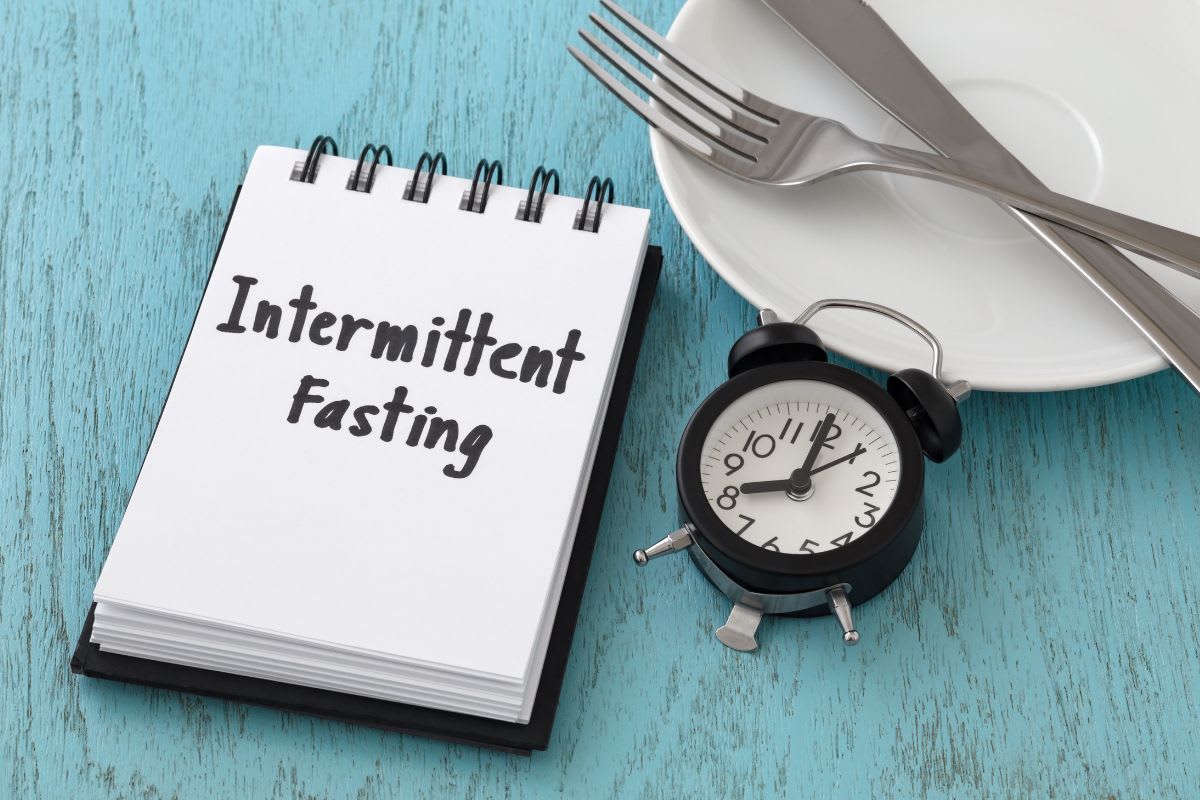
At its core, intermittent fasting operates on the principle of metabolic switching. By extending the duration between meals, the body exhausts its primary supply of glucose and begins to utilize stored fat for energy. This shift is typically accompanied by a reduction in insulin levels, which facilitates more efficient fat burning. Beyond simple weight loss, proponents and researchers have highlighted the potential for cellular renewal processes, specifically autophagy, to occur during these extended fasting windows. This biological cleanup—where damaged cells are removed and replaced—has become a central focus for those interested in longevity and disease prevention.
The appeal of the practice lies in its flexibility. Schedules such as the 16:8 method—which involves a 16-hour fast followed by an 8-hour eating window—or the 5:2 approach, where caloric intake is restricted two days a week, allow for varied implementation. According to information from Vocal.media, these methods are often as effective as traditional, calorie-restricted diets for achieving short-term weight loss.
Physiological Trade-offs for Older Adults
While the benefits of intermittent fasting are frequently cited for the general population, new data suggests the experience is markedly different for individuals over 60. As noted by GeneOnline, recent investigations into this demographic reveal that the aging process fundamentally changes how the body reacts to dietary restriction.
The primary concern for older dieters is the emergence of a physiological trade-off. Researchers have observed that while older adults may successfully lose weight through time-restricted eating, the process can simultaneously trigger unintended biological shifts. Unlike younger populations, whose bodies may adapt more readily, older individuals face a more complex metabolic landscape where the pursuit of a lower number on the scale may come at the expense of other health markers. This evolution in the body’s response emphasizes that fasting protocols cannot be applied universally across all age groups without careful consideration of these age-related biological realities.
Cardiovascular and Cognitive Considerations
Despite the complexities introduced by age, the potential health benefits of intermittent fasting remain a subject of active research. For many, the cardiovascular advantages are a primary draw. Consistent adherence to fasting patterns has been linked to improvements in several key heart health indicators, including the reduction of LDL, or “bad” cholesterol, as well as lower triglycerides and decreased blood pressure. These systemic changes can contribute to a reduction in overall inflammation levels.
Furthermore, the impact on cognitive function has garnered significant interest. Some evidence suggests that intermittent fasting may enhance focus and mental clarity by increasing the production of brain-derived neurotrophic factor (BDNF). This protein is essential for learning and memory, leading some researchers to explore how dietary timing might serve as a protective mechanism for brain health.
Consulting Providers for Personalized Health
For those considering incorporating these patterns into their lifestyle, the consensus remains that the choice should be made with a full understanding of individual health risks. Because the metabolic response to fasting changes as the body ages, older adults are encouraged to consult with their healthcare provider to determine if such an intervention is appropriate for their specific physiological needs.
