
Two recent studies published in 2026 present conflicting findings about cannabis’s impact on cognitive health, with one suggesting potential neuroprotective benefits and the other linking heavy use to memory changes. The research, led by the Salk Institute and the University of Colorado Anschutz Medical Campus, has sparked debate among scientists and users alike. Futurism and NBC Palm Springs highlight these diverging conclusions.
Cannabis and Neurodegenerative Disease Research
A 2024 study led by the Salk Institute, highlighted in Futurism, explored the effects of cannabinol—a byproduct of THC—on brain cells. Experiments with human and animal cell cultures showed that cannabinol reduced oxidative stress, a factor linked to neurodegenerative diseases like Alzheimer’s. The research, though preliminary, suggests cannabis might offer protective benefits for aging brains. “Think of all the many people who take cannabis,” said Columbia University psychologist Carl Hart, cited in the report. “There are some people not motivated to do jack, but that isn’t because of cannabis.”

However, the study’s authors caution against overinterpretation. While the findings are promising, they emphasize the need for larger, long-term trials. “This is far from conclusive,” one researcher noted, stressing that cannabis’s effects likely depend on dosage, strain, and individual biology.
Cognitive Impact Studies and User Reactions
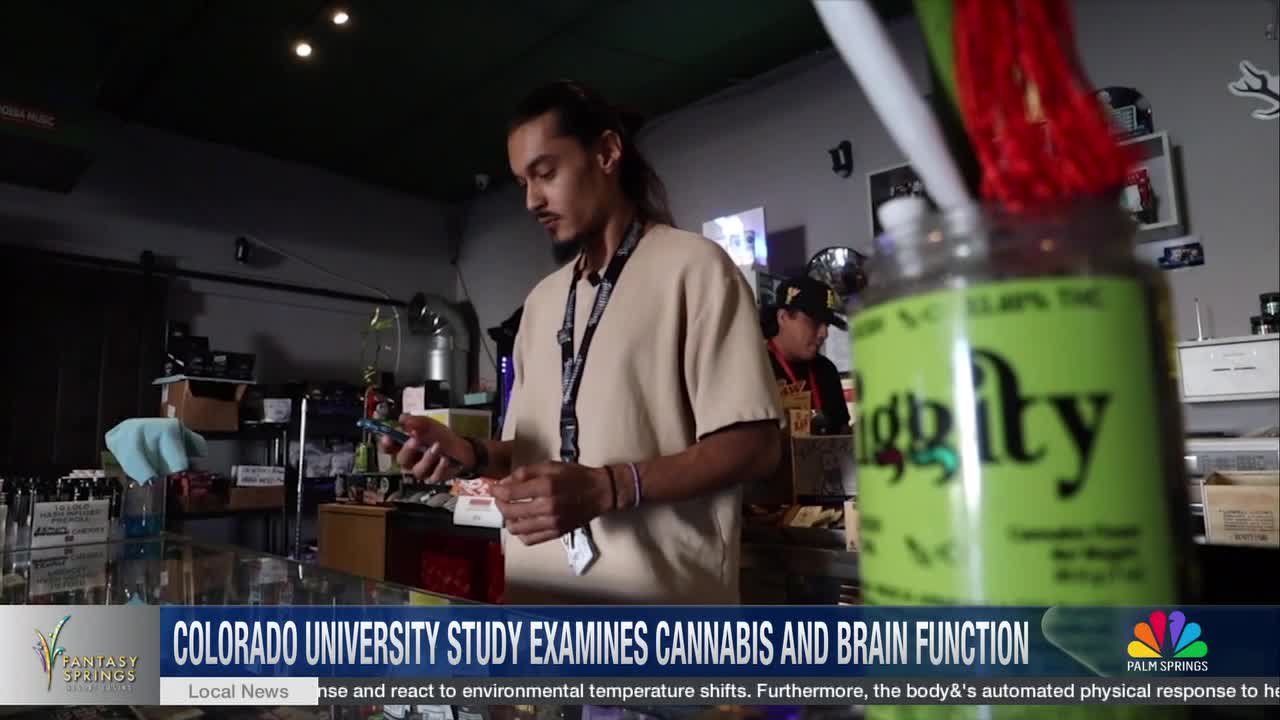
In contrast, a 2026 study from the University of Colorado Anschutz Medical Campus, led by Dr. Josh Gowin, found reduced brain activity in memory-related tasks among heavy cannabis users. Analyzing data from over 1,000 adults, the research linked frequent use to diminished working memory processing. “The goal was to better understand both short-term and long-term effects of marijuana on brain function,” Gowin said in NBC Palm Springs.
At Reefer Madness Dispensary in Palm Springs, budtender Kobe acknowledged the study’s validity but argued that cannabis strains vary widely. “Some are marketed for focus, others for relaxation,” he said. “Consumers should educate themselves and use responsibly.” Despite the findings, Kobe continues using cannabis for creative work, highlighting the tension between scientific caution and personal experience.
Expert Perspectives and Public Health Implications
Carl Hart’s 2024 research in JAMA Network Open challenged myths about cannabis’s cognitive harms. In experiments where participants chose between taking a math test for money or smoking, those who used cannabis showed minimal impairment. Hart concluded, “The notion [that cannabis causes laziness] just won’t die.”
Yet, the University of Colorado study underscores risks. Excessive use has been tied to short-term memory issues, and teen users face heightened risks of bipolar disorder or psychosis. “There’s a counterbalance of research,” one expert noted, “but the adult brain appears more resilient.”
Public health officials urge moderation. “Cannabis isn’t a one-size-fits-all solution,” said a spokesperson for the CDC. “More research is needed to clarify its role in aging and cognitive health.”
What’s Next for Cannabis Research?
The conflicting studies reflect the complexity of cannabis’s effects. While some see potential for neuroprotection, others warn of memory risks. Researchers agree that future work must account for variables like strain potency, usage frequency, and individual health profiles.
For users, the takeaway is caution. “Education and responsible use are key,” said Kobe. “But science is still catching up.” As the field evolves, policymakers and healthcare providers will need to balance emerging evidence with public safety concerns.
Both studies underscore the need for ongoing research. With cannabis legalization expanding, understanding its long-term impacts remains critical. As one scientist put it, “We’re still in the early chapters of this story.”
Find more reporting in our Health section.
