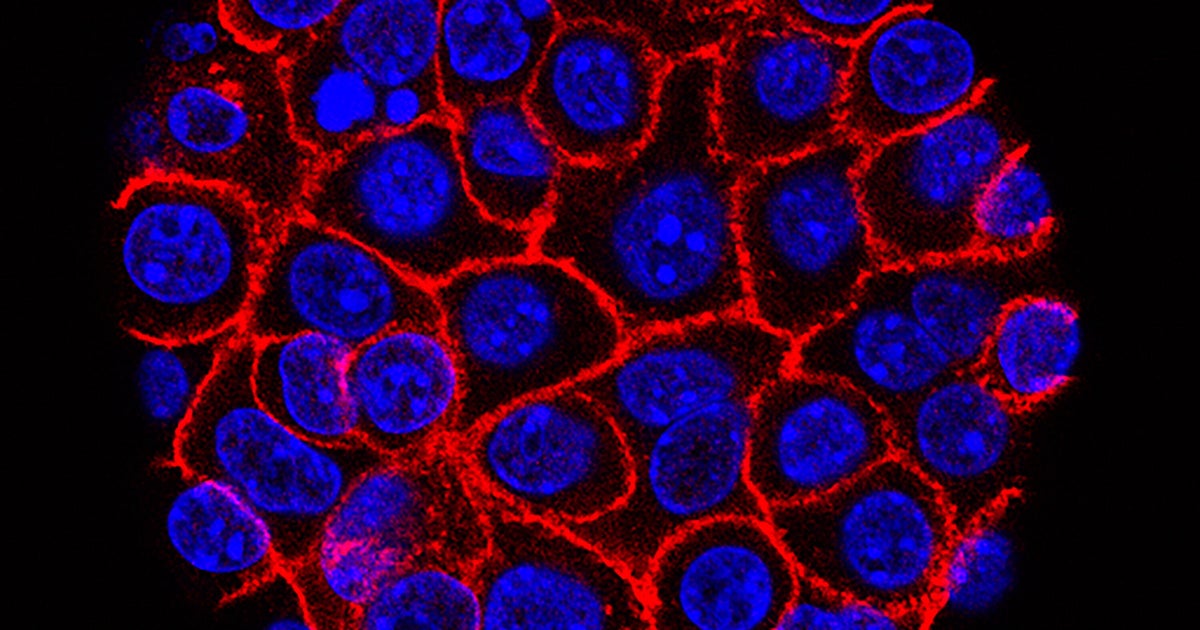
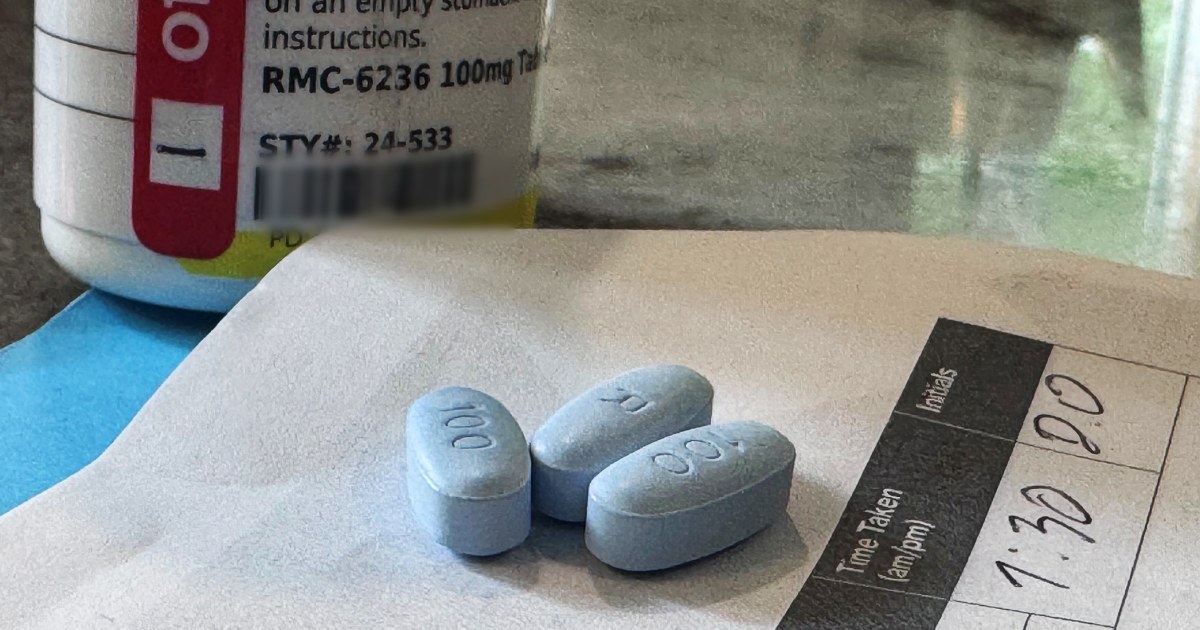
A clinical trial of 500 patients with advanced pancreatic cancer, presented Sunday at the American Society of Clinical Oncology’s annual meeting in Chicago, revealed that the experimental pill daraxonrasib nearly doubled median overall survival. Patients taking the drug lived for a median of 13.2 months, compared to 6.7 months for those receiving chemotherapy.
A New Mechanism for Targeting the KRAS Protein
Advanced Pancreatic Cancer Patients
Pancreatic ductal adenocarcinoma remains one of the most difficult cancers to treat, with more than half of patients diagnosed only after the disease has already spread. For decades, the KRAS protein—which fuels tumor growth in more than 90% of pancreatic cancer cases—has proven to be a difficult target for medical intervention. Daraxonrasib represents a new class of therapy known as a Ras(On) multi-selective inhibitor.
According to reporting from The Guardian, the medication functions by gluing molecules together to effectively shut down the KRAS protein, regardless of which specific mutation variant is present. This approach addresses the signaling pathways that allow cancer cells to continue dividing when they should remain dormant.
Clinical Trial Outcomes and Patient Experience
cluster (priority): CBS News
The phase 3 trial randomly assigned 500 participants with metastatic pancreatic cancer, all of whom had previously seen their cancer stop responding to standard treatments, to receive either the daily pill or additional chemotherapy. The results, simultaneously published in the New England Journal of Medicine, showed that those taking the experimental drug experienced a 60% reduction in the risk of death.
Dr. Zev Wainberg, co-director of the GI Oncology Program at UCLA Health, who helped lead the study, noted the stark difference in outcomes between the two groups.
“Statistically, I knew only half of them get the pill, and we don’t get to choose. I put a lot of patients on the chemo arm, and none of them are alive anymore.”Dr. Zev Wainberg, of the University of California, Los Angeles
Beyond the increase in median survival from 6.7 to 13.2 months, the study highlighted a secondary benefit: quality of life. Patients who took the daily medication reported fewer severe side effects and experienced less pain compared to the chemotherapy group. Because many participants were still using the drug at the time the data was analyzed, researchers believe the survival gap may widen as the study continues.
Expert Reaction and Future Clinical Applications
New Innovative Pill "Daraxonrasib" Nearly Doubles Survival Time for Pancreatic Cancer Patients
The medical community has responded to the findings with significant intensity. Dr. Rachna Shroff, chief of the division of hematology and oncology at the University of Arizona Cancer Center, who was not involved in the research, described the data as a major shift for the field.
“Having treated pancreatic cancer for 16 years, I actually started crying in clinic. This is such an incredibly impactful study for our patients, and I really congratulate the [trial] investigators.”Dr. Rachna Shroff, University of Arizona Cancer Center
Dr. Julie Gralow, chief medical officer and executive vice-president of the American Society of Clinical Oncology (ASCO), characterized the findings as a significant advancement, stating, “I’ve heard this study described as a home run. I would actually say it’s a grand slam.”
The implications of the drug may extend well beyond pancreatic cancer. Because the KRAS mutation is a driver in various other malignancies, including lung, colorectal, ovarian, and endometrial cancers, as well as cholangiocarcinoma, researchers are looking toward broader applications. Dr. Brian Wolpin, director of the Hale Family Center for Pancreatic Cancer Research at the Dana-Farber Cancer Institute, suggested that the success of this trial is only the beginning.
“Pancreas cancer may be the first for this drug, but there will be others. Now the floodgates open.”Dr. Brian Wolpin, Dana-Farber Cancer Institute
Regulatory Status and Next Steps
cluster (priority): NBC News
The Food and Drug Administration has granted the drug fast-track status for the treatment of pancreatic cancer. Furthermore, the agency has permitted the manufacturer, Revolution Medicines, to provide the medication to patients outside of clinical trials through an expanded access program.
Dr. Mark Goldsmith, chief executive officer for Revolution Medicines, stated that the company is working to prepare the necessary documentation for formal FDA approval, though he declined to provide a specific timeline for the filing. While the drug is not currently classified as a cure, clinicians emphasize its role in providing durable benefits for patients who previously had few options. Patients are advised to consult their healthcare provider regarding the availability of clinical trials and the potential for future expanded access to these therapies.
Dr. Nadia Rowe oversees medical, science, and wellness reporting. Holding a public-health doctorate and having contributed to Health Spectrum Review, she bridges scientific rigor with accessible communication. Her mission: make accurate health information available to everyone.