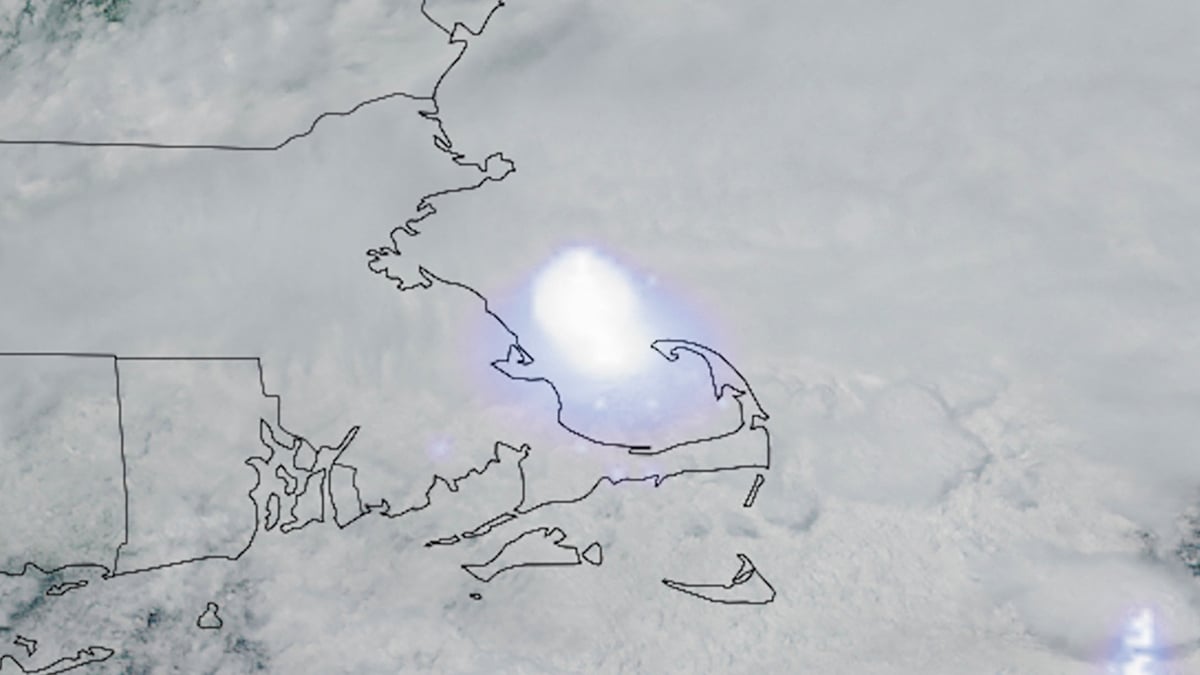
A meteor exploded over northeastern Massachusetts and southeastern New Hampshire on May 30, 2026, with the force of 300 tons of TNT, rattling homes and leaving residents stunned by the sudden booms. NASA confirmed the fireball—traveling at 75,000 miles per hour—was a natural object, not space debris, and its breakup at 40 miles altitude triggered widespread reports of shaking houses and startled pets.
How NASA Tracked the Meteor’s Trajectory
NASA’s deputy news chief, Jennifer Dooren, provided the first official details, stating the meteor was not linked to any active meteor shower but was a solitary object entering Earth’s atmosphere. The agency’s data showed the fireball fragmented at 40 miles above ground, releasing energy equivalent to 300 tons of TNT—a blast powerful enough to shake structures across the region. Dooren’s statement, released to ScienceAlert, confirmed the event occurred at 2:06 p.m. EDT, with residents reporting the booms as sudden and disconcerting.

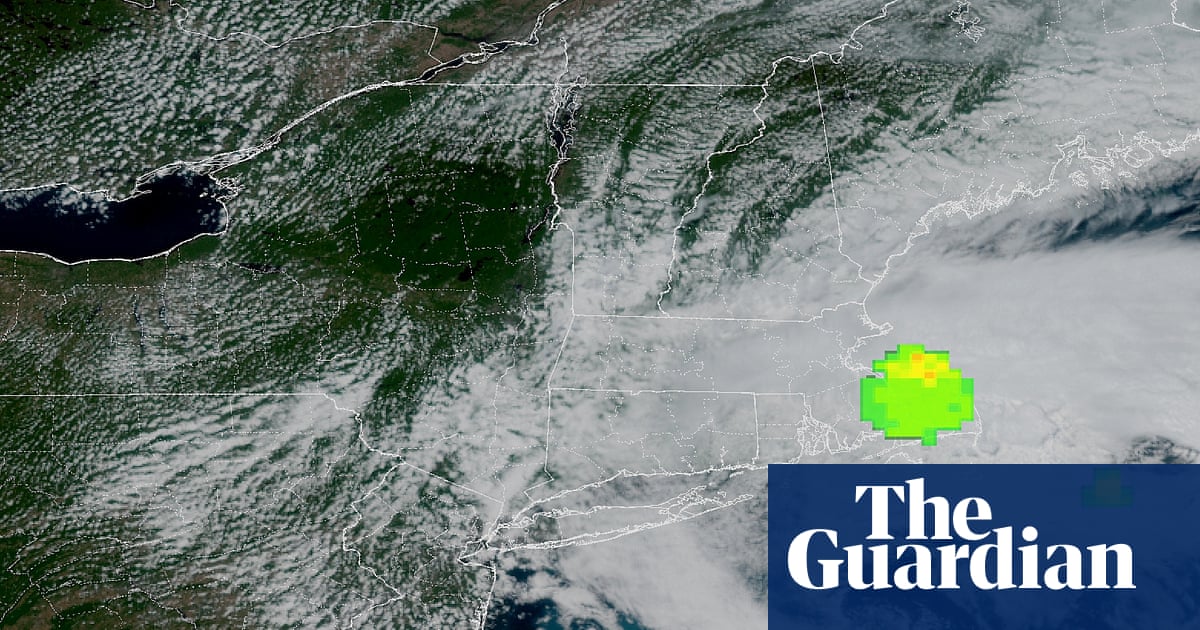
The meteor’s speed—75,000 mph—is typical for such objects, but its size and altitude at breakup made it unusually noticeable. NASA’s flash density product, which maps atmospheric anomalies, highlighted the event as a “distinctive bolide,” a term for exceptionally bright meteors that explode before hitting the ground. The agency compared it to the 2013 Chelyabinsk meteor in Russia, which released energy equivalent to 440,000 tons of TNT and injured over 1,600 people. While the Massachusetts event was far less destructive, its proximity to populated areas made it a striking reminder of how vulnerable we are to cosmic intrusions.
Eyewitnesses Describe the Shockwave
Residents across New England shared accounts of the meteor’s arrival, blending awe with confusion. Bob Todt, driving near Fort Plain, New York, captured the fireball on his dashcam while leaving his daughter’s wedding. “We were leaving my daughter’s wedding, and as we were driving down the road, I saw the streak,” Todt told WJAR. “Of course you think in your head, ‘Did I really see that?’” He only realized its significance the next morning when he reviewed the footage, assuming it was “just debris” and posting it to Facebook as a curiosity.
For others, the meteor’s impact was auditory rather than visual. Angela Cruz and Thomas Carroll were driving when a loud noise startled them—and then a rock struck their windshield. “I thought there’s no way some little tiny rock that made less than an inch of an impact made that loud of a noise,” Carroll said. “I thought maybe some car had crashed.” Their dog, Penny, reacted with equal bewilderment, staring around the car as if questioning reality. “She’s usually very peaceful,” Carroll added, “but that caught her attention.”
“We were driving and all of a sudden we hear this noise, and a rock hits the windshield.”
The reports underscore how meteors can disrupt daily life in unexpected ways. While no injuries were reported this time, the sheer force of the explosion—equivalent to a small chemical detonation—demonstrates why such events demand attention. The Chelyabinsk meteor, for instance, caused widespread glass breakage and injuries, proving that even “small” space rocks can have outsized effects when they explode in the atmosphere.
Why This Meteor Was Unusual
Most meteors burn up harmlessly in the atmosphere, but this one’s trajectory and energy release set it apart. NASA’s data showed it was not part of a known meteor shower, meaning it was a solitary traveler—likely a fragment from an asteroid or comet. The agency’s statement to The Guardian emphasized its natural origin, ruling out human-made debris like satellites or rocket stages.

The meteor’s breakup at 40 miles altitude was also notable. Most fireballs disintegrate higher, between 50 and 70 miles up, where the atmosphere is thinner. This one’s lower fragmentation suggests it was denser or entered at a steeper angle, increasing its chances of reaching the ground as meteorites. While no confirmed fragments have been recovered yet, the event’s proximity to populated areas raises the possibility of debris fields—though locating them would require coordinated searches.
Historically, such events are rare but not unprecedented. The 2013 Chelyabinsk meteor, which injured over 1,600 people, was a stark reminder of how little warning we get from space. This time, the lack of injuries is a relief, but the meteor’s power serves as a wake-up call: Earth is constantly bombarded by cosmic debris, and most of it goes unnoticed until it’s too late.
What Happens Next?
For now, the focus is on recovery and analysis. NASA and local agencies may coordinate to search for meteorite fragments, which could provide clues about the object’s composition and origin. Amateur astronomers and meteor enthusiasts are already scanning the region, hoping to find pieces before they’re lost to weather or human activity.
Beyond the immediate aftermath, the event raises broader questions about planetary defense. While the risk of a catastrophic meteor strike is low, the Chelyabinsk incident proved that even smaller objects can cause significant damage. NASA and other space agencies are investing in early detection systems, such as the upcoming Near-Earth Object Surveillance Mission (NEOSM), which aims to identify and track potentially hazardous asteroids years in advance. For now, though, this meteor serves as a reminder that Earth remains exposed—and that the next unexpected visitor could be just around the corner.
The meteor’s explosion over Massachusetts was a fleeting but powerful event, leaving behind more questions than answers. But one thing is clear: the universe doesn’t always give us much notice before it reminds us of its presence.
