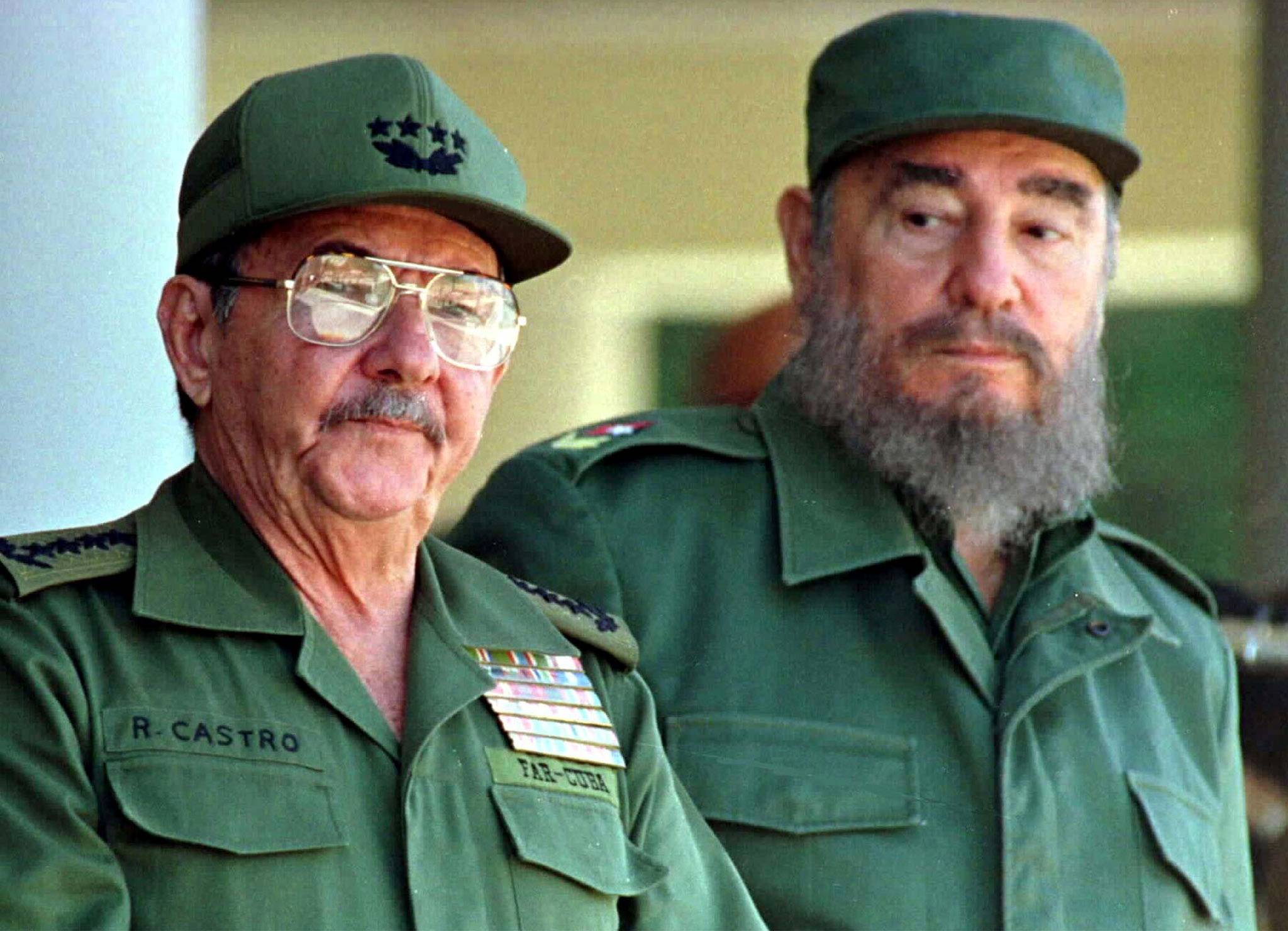
The U.S. Department of Justice unsealed an indictment on May 20, 2026, charging former Cuban President Raúl Castro and five regime co-defendants for the 1996 shoot-down of two civilian planes operated by the humanitarian group Brothers to the Rescue, which killed four Americans.
Indictment Targets Castro Over 1996 Shoot-Downs
The Justice Department’s superseding indictment marks the first time the U.S. has formally sought criminal charges against Castro, now 94, for his alleged role in ordering the downing of the planes on February 24, 1996. The incident, which resulted in the deaths of four Cuban Americans, had long been a point of contention between Washington and Havana. The indictment, approved by a grand jury, focuses on Castro’s leadership during the event and his continued influence in Cuba’s government, despite formally stepping down as Communist Party leader in 2021.
The charges come amid escalating U.S. pressure on Cuba, including threats of economic sanctions and diplomatic isolation. The Trump administration has framed the indictment as part of a broader strategy to isolate Cuba and push for political reforms, including the removal of what it calls “adversarial regimes” in the Western Hemisphere. The U.S. has also targeted Cuba’s energy supplies, with reports indicating oil shipments from Venezuela—Cuba’s key ally—have been disrupted following the January 2026 removal of Venezuelan President Nicolás Maduro.
Brothers to the Rescue: The Incident at the Heart of the Indictment
The 1996 shoot-downs occurred when Cuban military jets intercepted two planes flown by Brothers to the Rescue, a Miami-based group conducting humanitarian missions over Cuban airspace. The U.S. government has long accused Castro of ordering the attack, which killed all four Americans aboard the planes. The incident was condemned internationally, with the U.S. imposing sanctions on Cuba in response.
According to the DOJ, the indictment alleges that Castro and his co-defendants—identified as senior Cuban military and government officials—conspired to violate U.S. law by targeting civilian aircraft. The charges include murder, conspiracy, and violations of the War Crimes Act. The superseding indictment, unsealed on May 20, 2026, replaces earlier filings and expands the scope of the case to include additional defendants and evidence.
The indictment is a direct response to decades of impunity for those responsible for the deaths of American citizens. The U.S. will not tolerate such violations of international law and human rights.
U.S. Department of Justice spokesperson (via DOJ press release, May 20, 2026)
Diplomatic Tensions and the Trump Administration’s Hardline Approach
The indictment aligns with the Trump administration’s aggressive stance toward Cuba, which has included threats of tariffs on countries exporting oil to the island nation. The administration has also pursued direct negotiations with Cuban officials, including meetings between CIA Director John Ratcliffe and Raúl Castro’s grandson, Raúl Guillermo Rodríguez Castro—often referred to as “Raulito”—who serves as a key intermediary in U.S.-Cuba relations.
Ratcliffe’s meetings with Rodríguez Castro in recent weeks have been framed as part of a broader effort to pressure Havana into political and economic reforms. During a visit on May 15, 2026, Ratcliffe reportedly delivered a message from President Trump stating that the U.S. is prepared to seriously engage on economic and security issues, but only if Cuba makes fundamental changes
. The message underscored the administration’s demand that Cuba cease its support for adversaries in the Western Hemisphere
, a reference to its historical alliances with Venezuela and other leftist governments.
Cuba has not yet responded publicly to the indictment, but analysts suggest the move is likely to deepen tensions rather than prompt immediate concessions. Raúl Castro, though no longer the official head of state, remains a symbolic and influential figure in Cuban politics, and his indictment could further isolate the regime internationally.
Legal and Political Implications
The indictment faces significant legal hurdles. Castro, now 94, is unlikely to stand trial in the U.S., given his age and the fact that he has not set foot on American soil since the 1950s. However, the charges send a clear message to his regime and could have long-term consequences for Cuba’s diplomatic and economic relations with the U.S. and its allies.

Legal experts note that the indictment could also set a precedent for future cases involving human rights abuses by foreign leaders. The DOJ’s decision to pursue charges under the War Crimes Act—typically reserved for conflicts involving armed forces—reflects its framing of the 1996 shoot-downs as a deliberate and unlawful attack on civilians.
Meanwhile, the indictment comes as the Trump administration continues to face domestic and international scrutiny over its foreign policy actions. The removal of Maduro in January 2026, which was met with condemnation from the United Nations and regional allies, has further complicated U.S. relations in Latin America. The administration’s hardline approach to Cuba risks alienating moderate voices within the region who advocate for dialogue over confrontation.
What Comes Next?
The indictment is a symbolic victory for the Trump administration, but its practical impact remains uncertain. Cuba is unlikely to surrender Castro or his co-defendants for trial, and the regime has repeatedly dismissed U.S. accusations as politically motivated. The DOJ has not yet announced whether it will seek extradition or other forms of legal action against the defendants.
In the short term, the indictment is expected to intensify diplomatic rhetoric between Washington and Havana. The U.S. may also use the charges to rally support among Cuban Americans and other allies for further sanctions or restrictions on Cuba. However, without a clear path to enforcement, the indictment may ultimately serve as a tool for political messaging rather than a mechanism for justice.
For now, the focus remains on the legal and diplomatic fallout. The DOJ’s next steps—whether to pursue additional charges, seek asset seizures, or explore other avenues of pressure—will be closely watched by observers on both sides of the Florida Straits.
