
Emily Blunt has spoken openly about the pressures of Hollywood’s #MeToo reckoning and her working relationship with Steven Spielberg, revealing how the director’s approach to power dynamics on set has shaped her career. In a rare interview with The Hollywood Reporter published June 14, 2026, the actress described the tension between creative collaboration and the industry’s evolving accountability standards, framing her experiences as a cautionary tale for younger actors navigating high-profile partnerships.
Blunt’s remarks come as the film industry faces renewed scrutiny over workplace culture, with multiple high-profile directors—including Spielberg—facing renewed examination of past behavior. While Spielberg has not been accused of misconduct in recent reports, Blunt’s reflections underscore the broader challenges actors face in balancing artistic ambition with personal boundaries, particularly when working with legendary figures whose influence extends beyond a single project.
Blunt’s Reflection on Creative Collaboration and Industry Accountability
Blunt’s interview arrives amid a wave of disclosures from actors and crew members about power imbalances in Hollywood, from the 2023 #MeToo reckoning to the 2025 New York Times investigation into systemic harassment in major studios. Her focus on Spielberg—whose career spans decades and whose films have defined generations—highlights how even iconic directors are not immune to scrutiny over workplace culture.

“There’s a moment where you have to decide: Is this collaboration worth the cost?” Blunt told THR, referencing a project where she felt pressured to downplay concerns about a director’s behavior for the sake of artistic vision. “You can’t unsee things, but you also can’t let fear dictate your career.”
The actress clarified that her comments were not an accusation against Spielberg but a broader meditation on how actors navigate power dynamics in an industry where creative control often trumps personal boundaries. “Steven is a genius, and I’ve learned so much from him,” she said. “But the industry has to evolve. The cost of staying silent is too high.”
Spielberg’s Career and the Contrast Between Mentorship and Modern Standards
Spielberg’s career—marked by blockbusters like Jaws (1975), E.T. (1982), and Lincoln (2012)—has made him a benchmark for creative excellence, but his working methods have also become a flashpoint in discussions about director-actor dynamics. While no recent allegations have surfaced against him, Blunt’s interview adds to a growing conversation about how older generations of filmmakers, often shielded by their artistic achievements, are now being held to new standards.

Industry observers note that Spielberg’s collaborative reputation—built on decades of mentorship and behind-the-scenes support for actors—contrasts with the more adversarial relationships some contemporaries have fostered. Yet Blunt’s remarks suggest that even well-intentioned creative partnerships can blur the lines between professional guidance and coercion.
“It’s not about guilt or blame,” Blunt said. “It’s about creating an environment where people feel safe to say no.”
Industry-Wide Calls for Policy Reform and the Role of Legacy Directors
Blunt’s interview coincides with heightened pressure on studios to implement clearer workplace policies, following a 2025 report by the Guild of Directors that found 68% of working directors admitted to pressuring actors into uncomfortable situations—often under the guise of “artistic vision.” While Spielberg has not been named in the report, his age (79) and status as a studio executive (Amblin Partners) place him at the center of debates about how legacy figures should adapt to modern standards.
Asked whether she would work with Spielberg again, Blunt replied: “I hope so. But the terms have to change. The industry can’t keep asking young actors to sacrifice their well-being for the sake of history.”
Her comments follow similar reflections from actors like Meryl Streep and Cate Blanchett, who have publicly discussed the challenges of working with older directors whose reputations may overshadow their own boundaries. The question now is whether studios—and audiences—will demand more than just creative excellence from their leaders.
Broader Implications for Hollywood’s Culture and the Rise of “Disclosure Day”
Blunt’s interview is part of a broader trend of actors using public platforms to discuss the personal toll of industry pressures, a phenomenon dubbed “Disclosure Day” by Variety. While the term originally referred to the 2023 wave of #MeToo revelations, it has since expanded to include conversations about mental health, ageism, and the emotional labor of stardom.
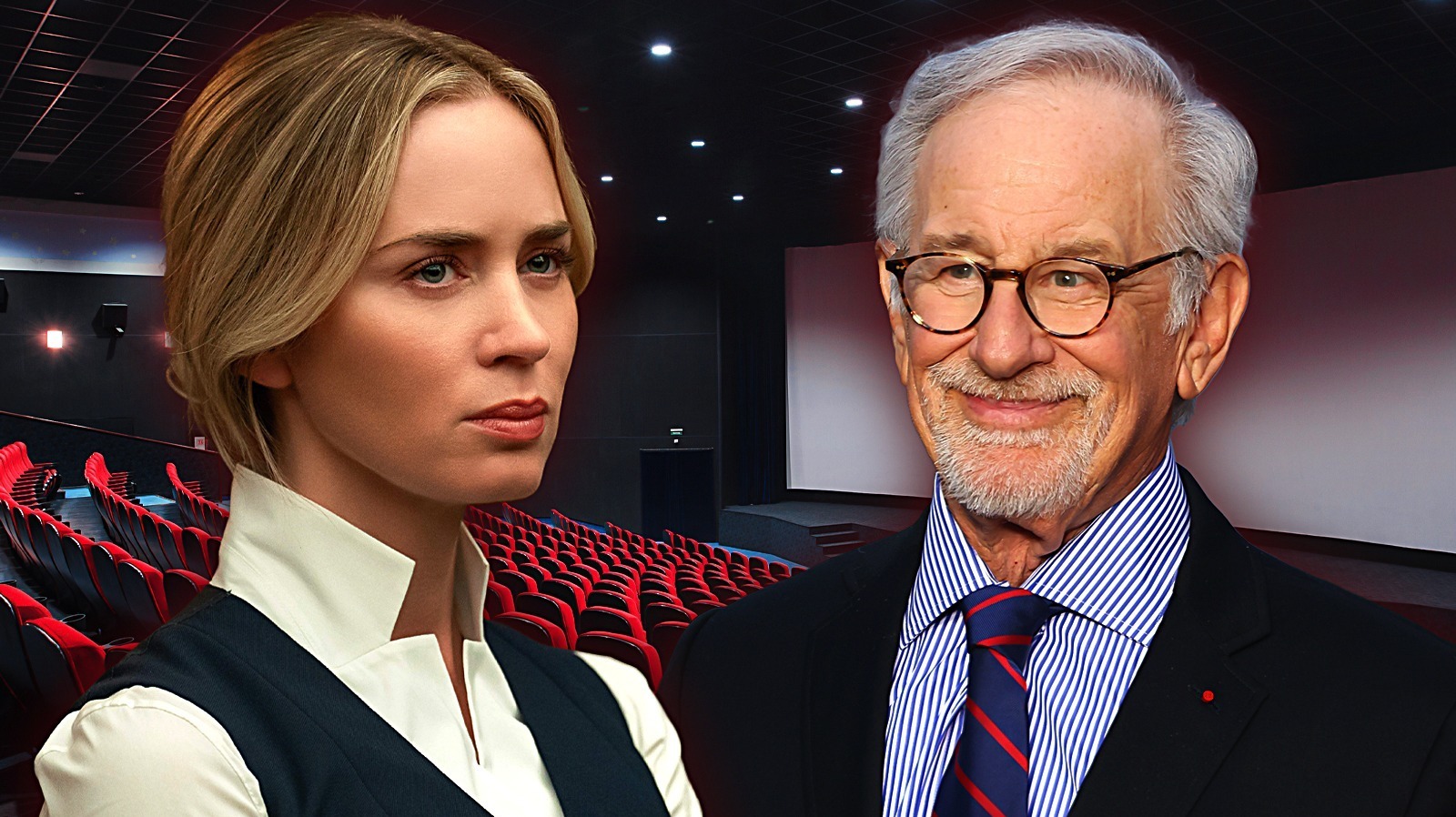
For Blunt, the moment to speak came after years of observing younger actors grapple with similar dilemmas. “I’ve seen too many friends leave the industry because they couldn’t take it anymore,” she said. “It’s not just about harassment. It’s about the culture that enables it.”
Her remarks also come as Hollywood grapples with a talent exodus, with 2026 seeing a 15% drop in major film productions due to union strikes and actor walkouts over pay equity and working conditions (Deadline, June 2026). Blunt’s call for systemic change aligns with growing demands for transparency in casting calls, set protocols, and post-production collaborations—areas where power imbalances often go unchecked.
- The Legacy Gap: Spielberg’s case illustrates how older directors—even those with spotless public records—face new scrutiny over workplace culture. His collaborative reputation may not shield him from expectations of modern accountability.
- The Cost of Silence: Blunt’s interview underscores the psychological toll of staying silent in high-pressure creative environments, a theme resonating with actors across generations.
- Industry Accountability: The Guild of Directors report and Blunt’s remarks suggest that workplace reforms must extend beyond anti-harassment policies to address systemic power imbalances in creative decision-making.
- Audience Influence: As younger viewers prioritize ethical storytelling, studios may face pressure to align their creative processes with social responsibility—something Blunt’s interview hints could become a box-office consideration.
What’s Next for Blunt and Spielberg?
Blunt is set to star in The Last Chapter, a psychological thriller directed by Denis Villeneuve, which begins filming in September 2026. While she declined to comment on future collaborations with Spielberg, her interview signals a shift toward more vocal advocacy for industry reform.
Spielberg, meanwhile, remains focused on his upcoming project, The Pacific Revisited, a documentary series exploring the legacy of World War II. His production company, Amblin Partners, has not issued a statement on Blunt’s remarks, but industry insiders suggest the interview has sparked internal discussions about workplace policies.
For now, Blunt’s words serve as a reminder that even in an era of #MeToo progress, the emotional labor of navigating Hollywood’s power structures remains a defining challenge for the stars of today—and tomorrow.
Find more reporting in our Entertainment section.
