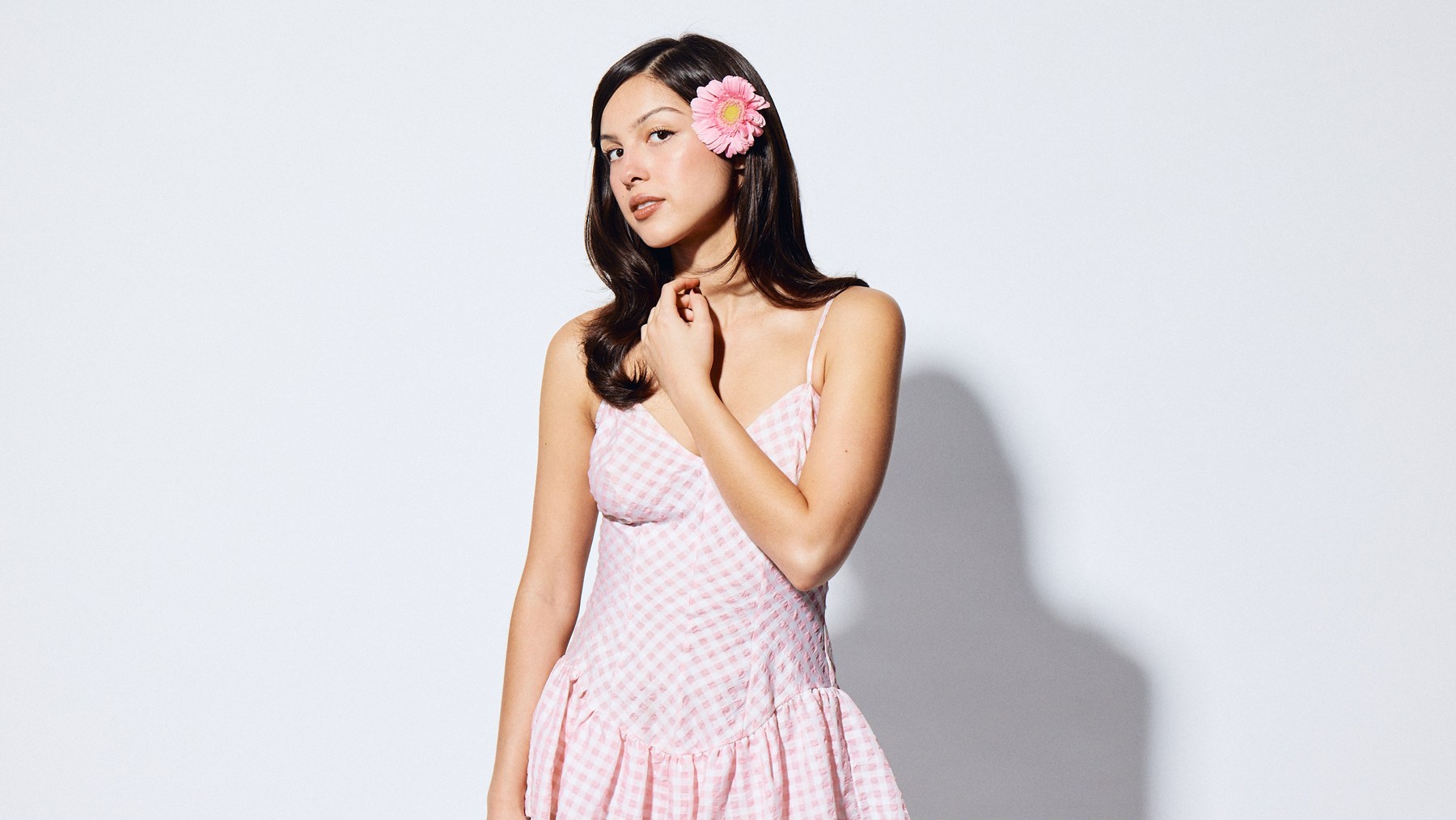
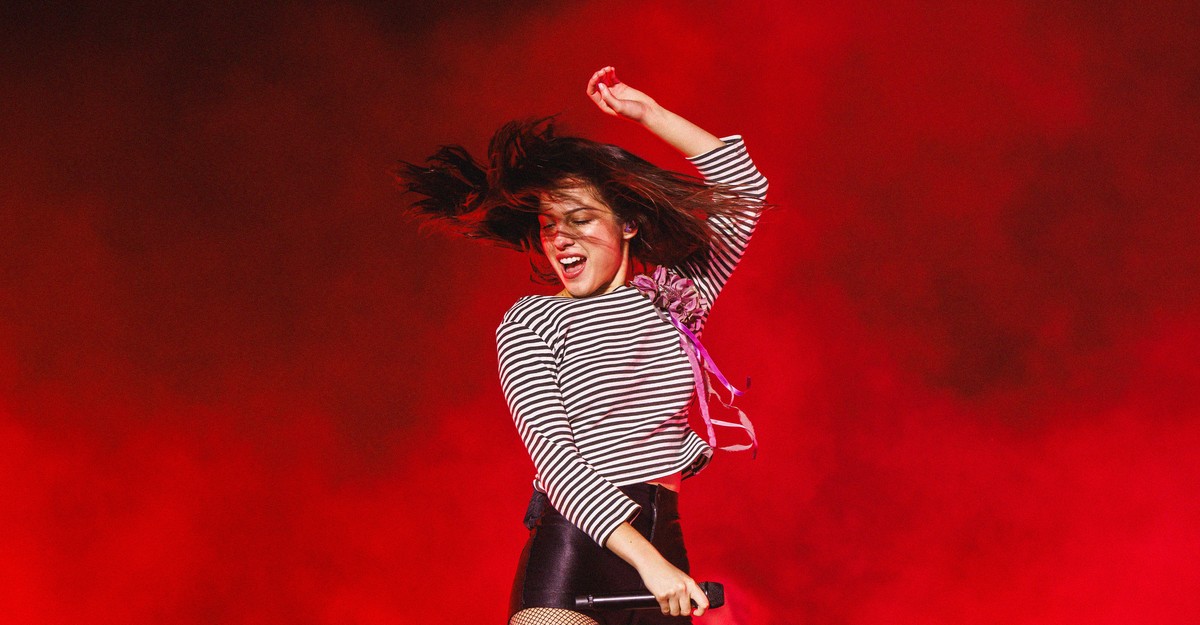
Olivia Rodrigo released her third studio album, You Seem Pretty Sad for a Girl So in Love, on June 13, 2026. The 13-track project marks a shift toward a linear, narrative-driven exploration of her first “adult” relationship, transitioning from the vengeful angst of her previous work to a darker, more complex examination of heartbreak and codependency.
A Narrative Shift from Revenge to Reality
Unlike her previous records, Sour (2021) and Guts (2023), which functioned as collages of personal experience and sharp-edged breakup anthems, the new album follows a strict, chronological arc. According to Rolling Stone, Rodrigo structured the project into an A-side and B-side, tracing the evolution from initial infatuation to the eventual disintegration of a relationship.
The transition was born of necessity. While rumors had circulated that Rodrigo intended to release a collection of purely romantic songs, a mid-creation breakup forced her to pivot. As noted by NPR, the singer opted to rework the tracklist to reflect the reality of the split.
“We had the fun challenge of going back and actually tweaking some of the love songs on the record and making them a little more honest and more sad and creepy.” — Olivia Rodrigo, via NPR
Photo: NPR
In the broader industry context, this pivot mirrors a growing trend among singer-songwriters who utilize streaming-era platforms to bypass traditional promotional cycles, opting instead for “real-time” documentation of their lives. By releasing You Seem Pretty Sad for a Girl So in Love via Geffen Records, Rodrigo maintains the infrastructure that supported her rapid ascent, yet the project signals a departure from the high-octane, stadium-ready pop-punk that dominated the Guts era. The decision to release in mid-June places the album squarely within the competitive summer release window, a period often dominated by blockbuster pop rollouts, yet Rodrigo’s team chose a more subdued, intimate campaign that emphasizes critical engagement over mass-market radio saturation.
Sonic Influences and the ‘Professor Rodrigo’ Persona
Rodrigo continues to lean into her reputation as a rock scholar, moving further away from pop-punk toward New Wave and alt-rock textures. The album features a collaboration with Robert Smith of The Cure, and Rolling Stone highlights production choices that nod to 1980s icons like Devo and Modern English.
This evolution is not just aesthetic; it serves the lyrical maturity of the project. Where Guts used “skin-crawlingly bad relationships” as a source for rage, the new material focuses on the “gray areas” of intimacy, according to reporting by The Atlantic. The production, helmed again by Dan Nigro, shifts from the “punk crunchiness” of her earlier work to a more unstable, rhythmically shifty sound that mirrors the narrator’s growing anxiety. Nigro, who has been instrumental in crafting Rodrigo’s signature sound since her debut, here employs vintage analog synthesizers and unconventional percussion to create an atmosphere that feels less “produced” and more immediate—a hallmark of the collaborative process between the two, which has previously earned them multiple Grammy nominations and critical acclaim for its authenticity.
The Lyrical Anatomy of a Modern Breakup
The lyrical content of the album tackles the intersection of modern dating and social performance. USA Today notes that Rodrigo’s writing has moved beyond simple disillusionment, finding that the search for love in 2026 can often feel more like an “albatross” than a romantic ideal.
Olivia Rodrigo über Liebe, Heartbreak & ihr neues Album
This sentiment is echoed in the track “My Way,” described by USA Today as a raucous highlight that captures the petty anger of a threatened partner. Meanwhile, the album’s darker moments—such as the track “Maggots for Brains”—confront the “crushing” reality of separation anxiety. The thematic weight of these tracks highlights a departure from the “revenge” motif that defined her earlier discography, moving toward a more internalized, at times self-deprecating, look at how the digital age complicates the process of moving on from a partner. For listeners and critics alike, this shift marks the maturation of the “Rodrigo archetype,” moving from the heartbroken teenager to the disillusioned young adult navigating complex social dynamics.
Album Era
Primary Theme
Tone
Sour (2021)
First heartbreak
Sympathetic, alarmist
Guts (2023)
Angsty disillusionment
Ferocious, witty
You Seem Pretty Sad (2026)
Adult relationship decay
Disquieting, linear
Critical Reception and the Future of the ‘Pop Final Girl’
Critics are framing this release as a departure from the “vengeful angst” that defined Rodrigo’s breakout. NPR characterizes her as a “pop star final girl,” noting that while the scope of this album feels smaller than Guts, the emotional stakes are higher. The industry expectation for an artist of Rodrigo’s caliber—who has consistently generated massive streaming numbers and commanded global arena tours—is typically one of expansion. However, by opting for a project that feels intentionally “smaller” and more experimental, Rodrigo is testing the durability of her fan base’s loyalty to her specific brand of confessional songwriting.
Photo: The Atlantic
The album’s success or failure will likely be measured by how well listeners connect with this “grown-up” version of Rodrigo. As she continues to dissect her life in near-real time, the challenge remains the same: balancing the public consumption of her private life with the artistic need for honesty. With the release of this record, Rodrigo has firmly moved away from the “theater kid poise” of her Disney origins, cementing a trajectory that prioritizes raw, “creepy,” and honest storytelling over the polished veneer of traditional pop stardom. As she moves forward, the industry will be watching to see if this pivot to a more linear, narrative-focused style influences the broader landscape of teen-to-adult pop transitions, a notoriously difficult career hurdle that few artists manage to navigate with both commercial viability and critical integrity.
Jasmine Brooks curates coverage of film, music, and digital culture. She began her career as an arts columnist for The Evening Tribune and has since interviewed creatives across Hollywood, Seoul, and London. Her focus blends culture, diversity, and storytelling excellence.