
A Stanford epigenetics researcher reveals how her 85-year-old Italian mother’s five simple, science-backed habits defy the biohacking trend—and why they matter more than ever.
Dr. Lucia Aronica, a Stanford lecturer whose work on epigenetics was featured in Netflix’s 2024 documentary Longevity Unlocked, credits her mother’s 85 years of vitality to five rules rooted in Mediterranean culture—not lab-optimized metrics. While the wellness industry obsesses over sleep trackers and macronutrient counts, Livia, an 85-year-old Italian woman, achieves longevity through daily rituals that science now confirms: eating joyfully, moving naturally, prioritizing community, maintaining purpose, and embracing pleasure. “True longevity isn’t about optimizing biomarkers,” Aronica says. “It’s about living in a way that aligns with your biology, psychology, and social world.”
Why Mediterranean habits outperform biohacking
Livia’s approach contradicts the hyper-tracking trend in longevity science. As CNBC reports, Aronica—who studies how nutrition and lifestyle affect gene expression—notes that while sleep scores and biomarker optimization dominate headlines, her mother’s longevity stems from habits far simpler: “She doesn’t own a fitness tracker, has never taken a cold plunge, and has no idea what biohacking is.” Yet her diet, movement, and social connections align with epigenetic research on aging.
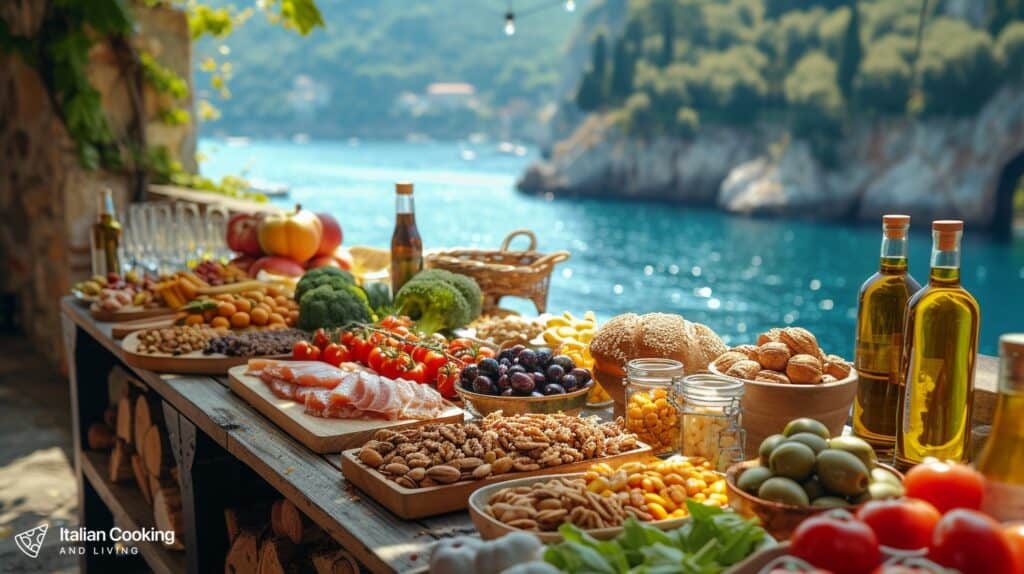
Key to Livia’s success is the Mediterranean diet, which studies link to reduced inflammation and slower biological aging. Her meals—olive oil, leafy greens, garlic, fish, and dark chocolate—mirror the pattern associated with a 20% lower risk of cardiovascular disease in the New England Journal of Medicine’s 2023 meta-analysis. But unlike rigid meal plans, Livia’s approach prioritizes pleasure: “Food is fuel, but it’s also epigenetic information,” Aronica explains. “Her table isn’t a spreadsheet—it’s a celebration.”
The science behind “move naturally”
Exercise science confirms what Livia has practiced for decades: natural movement beats gym routines. Research published in Cell Metabolism (2025) found that brisk walking—like Livia’s daily strolls to the market—activates genes linked to cellular repair. Her recent trainer sessions, while new, are secondary to her lifelong habit of climbing stairs (no elevator) and walking to visit neighbors. “Life is her gym,” Aronica notes. The contrast with biohacking’s obsession over heart-rate zones is stark: Livia’s activity isn’t measured in calories burned but in social engagement.
Social connection is the third pillar of Livia’s longevity. A 2024 study in JAMA Psychiatry found that people with strong social ties had a 30% lower risk of dementia. Livia’s daily “passeggiata” (stroll) with her neighbor and weekly calls with her sister—unbroken for decades—mirror these findings. “Southern Italian culture isn’t just about food,” Aronica says. “It’s about showing up: for grief, for celebration, for the small acts that keep us human.”
Purpose over retirement: How Livia redefined aging
Livia’s retirement at 58 didn’t mean slowing down—it meant redefining purpose. Research in Psychological Science (2023) found that people with a strong sense of purpose had an epigenetic age 2.4 years younger. Livia transitioned from civil service to becoming her community’s “wisdom keeper”: teaching recipes, storytelling, and mentoring grandchildren. “She never retired,” Aronica emphasizes. “She repurposed her role.” This aligns with the Blue Zones concept of “ikigai”—a reason to wake up—which Livia embodies without the term.
Pleasure as a prescription
The final rule—letting pleasure guide decisions—challenges the austerity of longevity trends. Aronica calls it Livia’s “spark,” a trait she once attributed to Italian exuberance but now recognizes as a biological advantage. Chronic stress accelerates aging by shortening telomeres (protective DNA caps), while joyful experiences may lengthen them. Livia’s afternoon coffee with dark chocolate isn’t indulgence; it’s self-care rooted in science. “Restriction backfires,” Aronica warns. “Pleasure isn’t the enemy of longevity—it’s a tool.”

What this means for modern wellness
Livia’s story isn’t just a personal anecdote—it’s a rebuke to the wellness industry’s excesses. While apps promise to “optimize” every aspect of life, her habits prove that authenticity matters more than algorithms.
- Context over metrics: Sleep scores and macronutrient counts ignore the psychological and social dimensions of health.
- Cultural wisdom as data: Mediterranean traditions, long dismissed as “anecdotal,” now align with epigenetic research.
- Purpose as prescription: Retirement isn’t an endpoint—it’s a transition to new roles that sustain well-being.
- Eat for joy: Prioritize foods tied to cultural happiness (e.g., olive oil, dark chocolate) over restrictive diets.
- Move with purpose: Walk to meet friends, climb stairs—activity should serve life, not the other way around.
- Cultivate connection: Schedule regular social rituals (e.g., weekly calls, shared meals).
- Repurpose retirement: Shift from “what I do” to “how I contribute” to community.
- Embrace pleasure: Small daily indulgences (coffee, music, laughter) may reduce stress hormones.
As Aronica concludes, “The goal isn’t to live longer—it’s to live well. And well-being starts with what makes you feel alive, not what a tracker says.” For those seeking longevity, the answer may lie not in the lab, but in the kitchen—and the company of those who love you.
Note: This article is for informational purposes only. Always consult a healthcare provider for personalized medical advice.
Find more reporting in our Health section.
