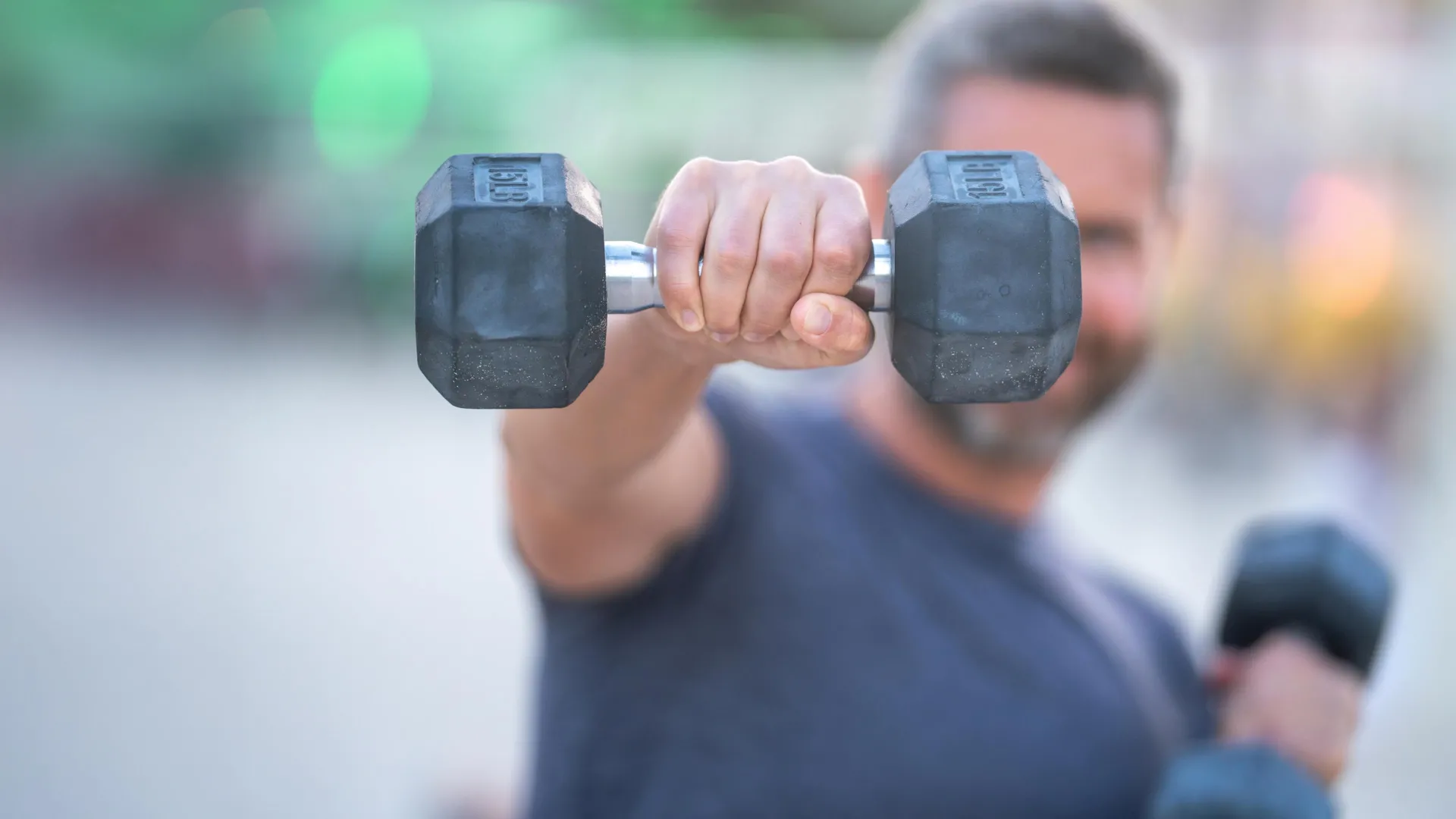
A 47-year-long study published in the Journal of Cachexia, Sarcopenia and Muscle reveals that physical fitness and muscle strength begin to decline at age 35. Researchers from the Karolinska Institutet tracked hundreds of participants, finding that while this decline is universal, individuals can still improve their physical capacity by 5–10 percent through adulthood exercise.
The Timeline of Physical Decline
The Swedish Physical Activity and Fitness (SPAF) study, which followed participants from age 16 to 63, challenges the common assumption that fitness levels are primarily determined by early-life habits. According to research findings shared by ScienceDaily, both cardiovascular endurance and muscle strength begin to deteriorate at age 35, regardless of an individual’s previous training volume.

While the decline begins at 35, the rate of change is not uniform across all demographics. The New York Post reported that while both men and women see aerobic endurance drop at age 45, women experience a decline in muscle power earlier, at age 32. This longitudinal data provides a more accurate view of human aging than previous cross-sectional studies, which merely compared different age groups at single points in time.

The biological process of aging involves sarcopenia—the involuntary loss of skeletal muscle mass and strength—and a reduction in VO2 max, which represents the body’s ability to utilize oxygen during intense exercise. In standard physiological models, these markers are influenced by a combination of genetic predispositions, hormonal fluctuations, and environmental factors. By tracking the same cohort over 47 years, the Karolinska Institutet researchers were able to isolate the trajectory of these changes against the backdrop of real-world lifestyle variations.
Why Mid-Life Activity Remains Critical
Despite the inevitability of age-related physiological changes, the SPAF study offers a clear message: exercise remains effective well into middle age. Participants who adopted a physically active lifestyle during adulthood saw their physical capacity increase by 5–10 percent.
“It is never too late to start moving. Our study shows that physical activity can slow the decline in performance, even if it cannot completely stop it. Now we will look for the mechanisms behind why everyone reaches their peak performance at age 35 and why physical activity can slow performance loss but not completely halt it,” Maria Westerståhl, lead author and lecturer at the Department of Laboratory Medicine, via ScienceDaily.
For more on this story, see Iron Nun Sister Madonna Buder Smashes 92-Year-Old Fitness Records.
Public health agencies, including the World Health Organization (WHO), consistently emphasize that physical activity is a primary determinant of healthy aging. The WHO guidelines for adults typically recommend at least 150–300 minutes of moderate-intensity aerobic physical activity throughout the week to reduce the risk of non-communicable diseases and maintain musculoskeletal health. The SPAF study adds specific, long-term evidence to this broader guidance, demonstrating that even after the physiological peak at age 35, the body retains a degree of plasticity that responds positively to stimulus.
The study highlights that exercise acts as a buffer against the natural aging process. While it cannot reverse the biological clock, it serves as a tool to maintain functional independence and quality of life as individuals progress toward their late 60s. This is particularly significant for preventing falls, maintaining metabolic health, and ensuring the continued ability to perform activities of daily living.
Methodology and Future Research
The Karolinska Institutet team utilized a rigorous set of metrics to track performance, including bench press tests, vertical jumps, and 10-minute cycling sessions. By monitoring the same individuals for nearly half a century, the researchers established a rare, high-resolution timeline of human performance. The longitudinal nature of the study design is distinct from cross-sectional designs, which can be confounded by “cohort effects”—differences in lifestyle, nutrition, or early-life healthcare between generations that might skew results.

Readers should note that while this study provides robust data on performance trajectories, it is an observational study. It maps the correlation between age, lifestyle, and physical capacity, but it does not establish a single “cure” for aging. The findings suggest that while the peak is biologically programmed, the slope of the subsequent decline is subject to behavioral influence.
The study is far from over. Researchers plan to re-examine the participants as they reach age 68, aiming to map the intersection between lifestyle, biological markers, and long-term health outcomes. This continued tracking is expected to provide deeper insight into why physical performance peaks at 35 and how specific interventions might further delay the onset of frailty.
Consult your healthcare provider before beginning any new exercise regimen to ensure it is appropriate for your specific health needs.
Find more reporting in our Health section.
