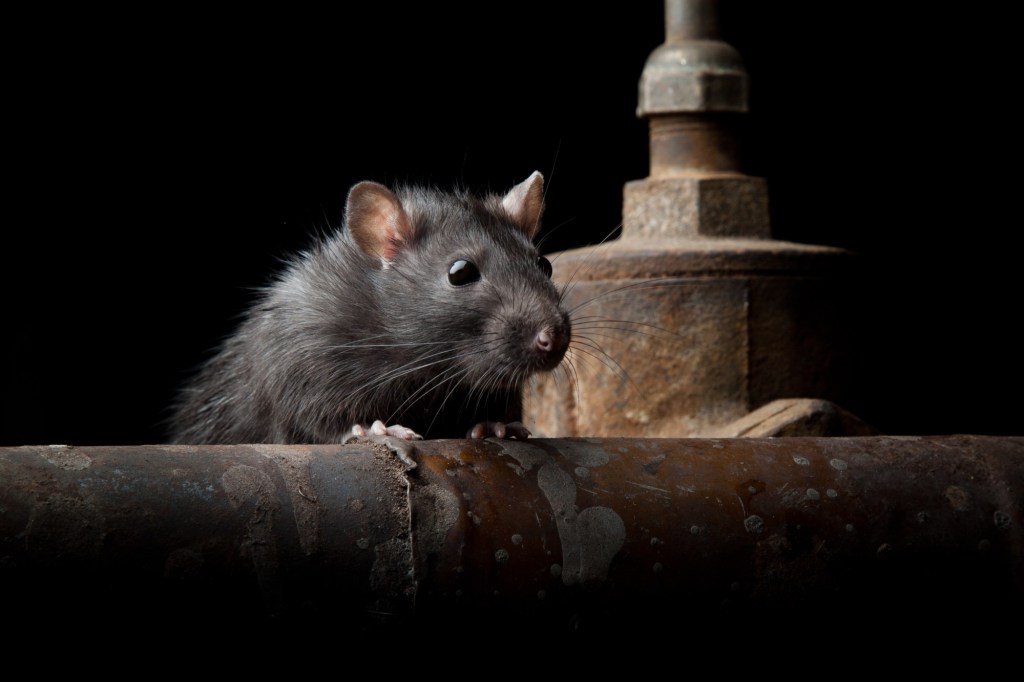
A Berkeley resident died from leptospirosis last month after living in a recreational vehicle severely infested with wild rats, city officials confirmed this week. A second person living in the RV also contracted the bacterial disease but recovered following hospitalization. The city has since destroyed the vehicle and launched targeted public health outreach.
A Fatal Case of Leptospirosis in Berkeley
The human cases, the first reported in Berkeley in more than a decade, were confirmed in May, according to an update provided by City Manager Paul Buddenhagen. The two individuals involved had been living together in a recreational vehicle parked approximately one mile from a homeless encampment near Harrison Street, an area that has been under monitoring for rodent-borne illness since late 2025.
Public health officials report that the living conditions inside the vehicle were extreme. According to a memo shared with city officials by Buddenhagen, the occupants were actively trapping, feeding, and breeding wild rats inside the RV. The vehicle was described as being "severely infested" with rodents that were not kept in cages.
“Both individuals lived together in a recreational vehicle in which they had been trapping, feeding and breeding wild rats,” and “in addition, the vehicle was severely infested with wild rats that were not in cages.
Public Health Risks and Vector Control Response
The bacteria that causes leptospirosis, Leptospira, is transmitted through the urine of infected animals. While the disease is generally rare in humans, the risk increases significantly in environments with heavy rodent populations. Alameda County Vector Control intervened during the individuals’ hospitalization, conducting multiple rounds of trapping and testing. Crews eventually removed nearly 200 rats from the vehicle before it was towed and destroyed, as reported by AOL.com.
Leptospirosis is a zoonotic disease, meaning it is transmitted from animals to humans. According to the Centers for Disease Control and Prevention (CDC), the bacteria can survive for weeks or months in water and soil. Humans typically become infected through contact with the urine of infected animals or an environment contaminated with urine, often through skin abrasions, mucous membranes, or ingestion of contaminated water.
Dr. Peter Chin-Hong, an infectious disease expert at UC San Francisco, noted that the high density of rodents in the RV likely created a dangerous environment for transmission.
“The more rats you have, the more urine you might have, and you increase the chance of at least one of the rats having infection,” and “If you just had one rat, it’s like playing rat roulette.” Dr. Chin-Hong’s assessment aligns with general epidemiological understanding: when rodent populations are allowed to thrive in confined, poorly ventilated spaces, the environmental load of Leptospira bacteria rises, exponentially increasing the probability of human exposure.
Understanding Leptospirosis: Clinical Context
Leptospirosis is often described by public health agencies as a biphasic illness. The first phase, known as the septicemic phase, typically presents with sudden onset of fever, chills, intense headache, muscle aches (particularly in the calves and lower back), and conjunctival suffusion—a redness of the eyes without discharge. Patients may experience a brief period of improvement before entering the second, immune phase.
In more severe cases, often referred to as Weil’s disease, the infection progresses to involve the kidneys, liver, and lungs. This can result in jaundice, renal failure, and pulmonary hemorrhage. Because the early symptoms mimic common viral infections like influenza or dengue fever, clinicians often rely on a patient’s occupational or environmental history to index suspicion for the disease.
Treatment Delays and Clinical Outcomes
Officials highlighted that the severity of the illnesses was exacerbated by a lack of early medical intervention. The two residents fell ill but did not seek care "for weeks and possibly months." This delay, according to city officials, likely contributed to the fatal outcome for one of the residents.
Despite the fatality, medical experts emphasize that leptospirosis remains a treatable condition if identified early. "Nobody should die of lepto," Chin-Hong told SFGATE, noting that the bacteria is susceptible to common antibiotics. Standard clinical protocols for confirmed cases generally involve the administration of doxycycline or penicillin, depending on the severity of the disease and the patient’s medical history. When initiated during the early stages of the illness, these treatments can significantly reduce the duration of symptoms and prevent the progression to systemic organ failure.
Ongoing Mitigation Efforts in Berkeley
The City of Berkeley maintains that the risk to the general public remains "extremely low," as the bacteria requires constant moisture or heavy infestation to persist in the environment. Testing of soil and water in the nearby Harrison Street and Codornices Creek areas yielded no evidence of widespread infection.
The incident has spurred a broader look at public health infrastructure in the region. Municipal efforts to control rodent populations involve complex, multi-agency strategies. These typically include environmental sanitation—removing food sources and harborages—and the use of integrated pest management (IPM) practices to reduce reliance on rodenticides, which can pose secondary risks to wildlife and pets.
- Targeted outreach to homeless populations within a 1.5-mile radius of the Harrison Street corridor.
- Increased debris removal to eliminate potential rodent nesting sites.
- Continuous monitoring through regular trapping and testing of the local rat population.
City officials advise residents concerned about potential rat infestations to contact professional exterminators or local vector-control agencies, noting that improper use of commercial poisons may not eliminate the underlying risk of bacterial spread. For those experiencing symptoms consistent with leptospirosis—particularly individuals who have had direct contact with rodents or floodwaters—it is essential to consult with a qualified healthcare professional. Seeking timely medical evaluation ensures that clinicians can provide accurate diagnostic testing, such as PCR or serological assays, and initiate appropriate antibiotic therapy if necessary.
Find more reporting in our Health section.
