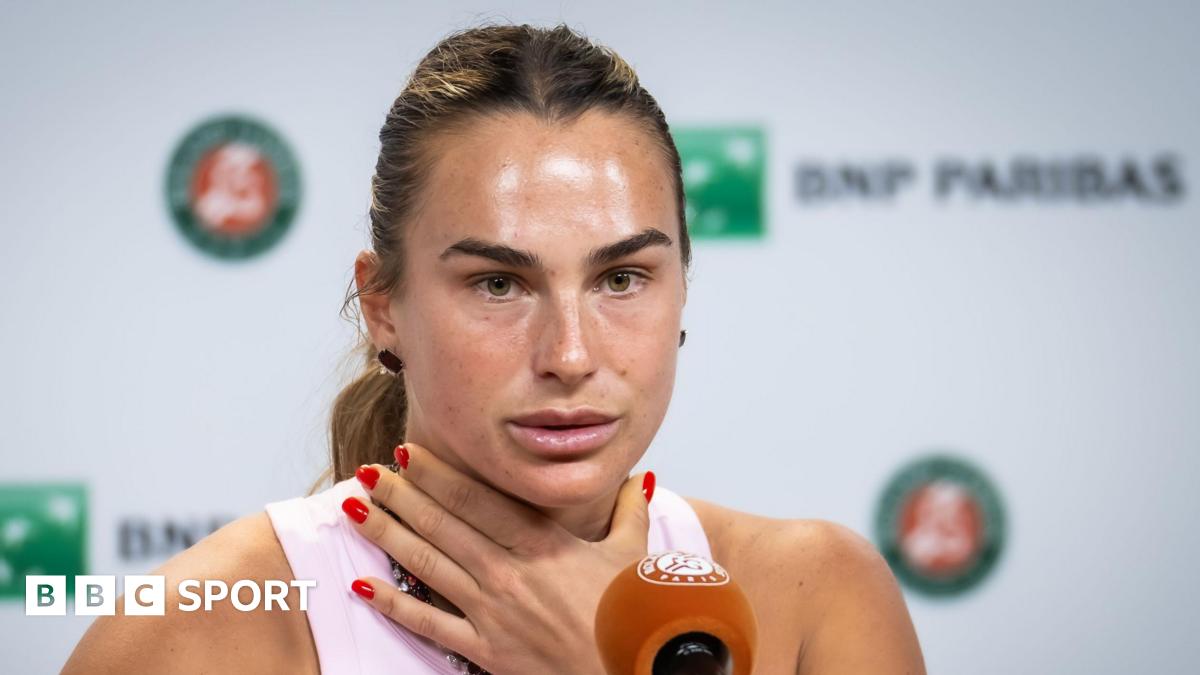
Top tennis players at the 2026 French Open staged a media protest, cutting short news conferences and refusing interviews to demand higher prize money and governance reforms, as the French Tennis Federation (FFT) prepared to meet with player representatives to address the dispute.
Players’ Media Protest and Key Demands
The protest, organized by a group of top-20 players, involved limiting media interactions to 10 minutes per news conference, a reduction from an initial 15-minute proposal, with a subsequent five-minute video interview for broadcasters, according to the New York Times. This move followed months of stalled negotiations over prize money distribution, with players seeking a 22% share of tournament revenue by 2030, up from the current 15% at the French Open. “The players want a higher ratio of prize money-to-revenue in acknowledgment of what they contribute to the financial success of the tournaments,” the BBC reported, noting that this year’s Roland Garros prize pool increased by 9.5%, but annual growth rates at other majors have been higher.
French Open tournament director Amélie Mauresmo expressed “very sad” disappointment at the protest but remained “deeply confident” the issue would be resolved, per the BBC. Players, however, were cautious about future steps. John Isner, a participant, said, “I don’t think we should really make big threats like that unless we’re fully ready to do it,” reflecting the group’s reluctance to openly discuss a potential boycott of the Grand Slams despite earlier hints at the Italian Open.
FFT’s Response and Upcoming Negotiations
The FFT, which governs the French Open, issued a statement condemning the protest’s impact on stakeholders, including media and broadcasters, while reaffirming its commitment to dialogue. “The FFT is ready to engage in direct and constructive dialogue on governance issues,” the New York Times quoted the federation as saying. A meeting between FFT president Gilles Moretton, Mauresmo, and former WTA chairman Larry Scott—acting as player representatives—is scheduled for May 22, 2026. Scott, who has advised the group, is expected to facilitate discussions on reforms, including greater player input in decision-making and welfare initiatives.
The FFT’s stance contrasts with the players’ demand for immediate revenue-sharing changes. “The issue will be resolved,” Mauresmo said, but the group has emphasized that progress requires concrete action, not just promises. The dispute has roots in last year’s French Open, where players like Carlos Alcaraz and Aryna Sabalenka urged Grand Slam executives to increase prize funds, a call that has grown more urgent as tournament revenues have surged.
Wimbledon’s Proposed Player Council and Tim Henman’s Role
Wimbledon’s involvement in the conflict took a new turn as the All England Club announced plans to create a player council during a meeting with top representatives at the French Open. Tim Henman, the former British No. 1 and All England Club board member, played a pivotal role in brokering these talks, according to the Guardian. Henman met with WTA Player Council representatives at the Italian Open, where he reportedly encouraged dialogue between players and organizers. A formal meeting between Wimbledon officials and player agents is set for Roland Garros, though the club has not yet confirmed whether it will address the 22% revenue goal.
Wimbledon’s tournament director, Jamie Baker, and player relations director, Laura Robson, were also present at the Italian Open, where they engaged with players like Jannik Sinner’s agent, Alex Vittur. However, the group has made it clear that discussions about a player council will not occur unless revenue-sharing demands are met. “The representatives have insisted they will not discuss the formation of a player council until the grand slam organizers address requests for a greater percentage of revenue for players,” the Guardian reported.
Broader Implications for Tennis Governance
The standoff highlights deepening fractures in tennis governance, with the Australian Open aligning with the Professional Tennis Players’ Association (PTPA), which is suing the other three Grand Slams over alleged restrictive practices. This legal battle, separate from the prize money dispute, underscores the sport’s fractured power structure. Meanwhile, the U.S. Open and Wimbledon have both expressed openness to dialogue, though their responses to the players’ demands remain unclear.

For players, the protest is about more than immediate financial gains. “Contributing to players’ welfare and evolutions in the value-sharing model” is a key goal for the FFT, as stated in the New York Times article. Yet the group’s reluctance to commit to a boycott suggests a strategic balance between pressure and pragmatism. As the May 22 meeting approaches, the outcome could set a precedent for how Grand Slam organizers address player concerns in an era of rising revenue and heightened athlete activism.
“The FFT is ready to engage in direct and constructive dialogue on governance issues,” the federation reiterated, but the players’ next move will depend on whether this meeting translates into tangible progress. With the 2026 French Open underway and the U.S. Open’s prize fund announcement approaching, the stakes for both sides have never been higher.
