
The World Health Organization has declared the Ebola outbreak in the Democratic Republic of Congo a “deeply worrisome” public health emergency, with confirmed cases rising to 82 and suspected cases nearing 750—while the death toll has climbed to 177. The Bundibugyo strain, now spreading beyond Ituri province, has prompted WHO to raise the risk assessment to “very high” at the national level, as communities grapple with misinformation and violent resistance to containment efforts.
Ebola’s New Threat Level: Why This Outbreak Demands Urgent Attention
The World Health Organization (WHO) has escalated its assessment of the Ebola outbreak in the Democratic Republic of Congo (DRC) to “very high” at the national level, signaling alarm over the rapid spread of the Bundibugyo strain. As of Friday, May 22, 2026, the outbreak has 82 confirmed cases and 7 confirmed deaths, but officials warn the true scale is far larger—with 750 suspected cases and 177 suspected deaths reported across the region. The strain’s ability to spread beyond Ituri province, where it first emerged, has raised concerns about its potential to become a broader regional crisis.
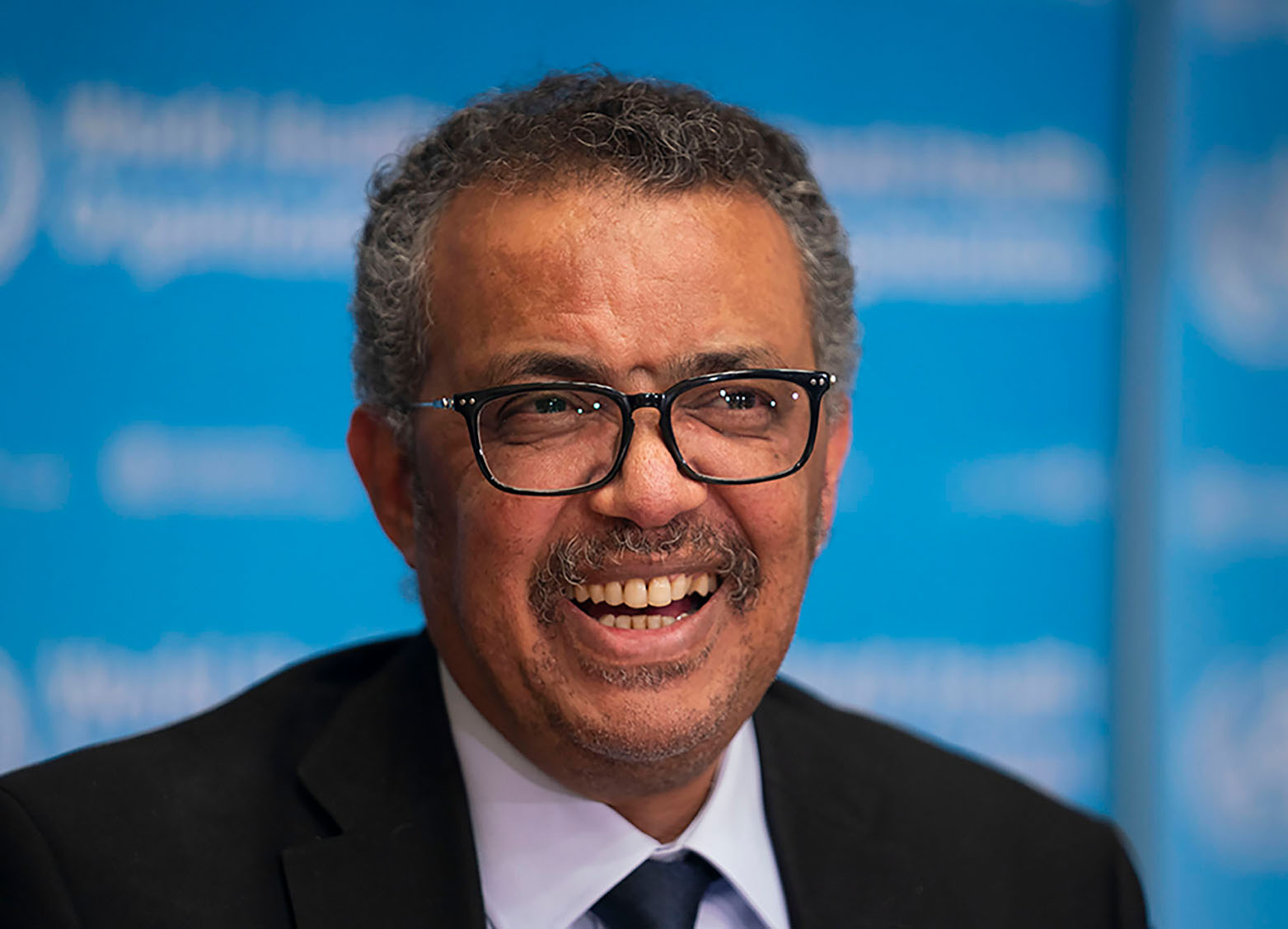
WHO Director-General Tedros Adhanom Ghebreyesus called the situation “deeply worrisome” in a post on X, emphasizing that the outbreak is “much larger” than official figures suggest. The organization has also deployed additional personnel to Ituri province to support containment efforts, but challenges remain—including violent clashes with locals who oppose Ebola treatment centers and burial restrictions.
The outbreak’s severity is underscored by the fact that the Bundibugyo strain has no approved vaccine or treatment, leaving health officials with limited tools to combat its spread. Unlike the more commonly discussed Sudan and Zaire strains, this variant has received far less research attention, making containment even more difficult. The WHO’s decision to declare it an emergency of international concern on Sunday reflects the urgency of the situation.
Violence and Misinformation: The Hidden Obstacles to Containment
One of the most pressing challenges in the DRC is the violent resistance from communities in Ituri province, where locals have torched Ebola treatment centers and clashed with authorities over burial practices. On Thursday, witnesses reported that residents in Rwampara town set fire to a treatment center and the body of an Ebola victim, a dangerous act that could accelerate the virus’s spread. Health officials have banned public gatherings and restricted funerals to specialized teams, but enforcement remains difficult in areas where distrust of government measures runs deep.

The International Federation of Red Cross and Red Crescent Societies (IFRC) has noted that community reactions are mixed. While some residents are actively seeking information on protection measures, others remain skeptical, with misinformation claiming Ebola is “fabricated” spreading rapidly.
“Community reactions remain mixed. For some people the outbreak is very real and they are taking information on how to protect themselves, but for others, there’s still suspicion and misinformation claiming that Ebola is fabricated.”
This dual reality—where some communities embrace containment measures while others reject them outright—complicates efforts to control the outbreak. The IFRC is now conducting door-to-door campaigns to combat misinformation, but the task is monumental in a region where trust in authorities is already fragile.
The Global Response: Travel Restrictions and International Aid
The outbreak has triggered global travel restrictions, with countries like the U.S. barring entry to non-citizens who have recently visited the DRC, Uganda, or South Sudan. On Wednesday, an Air France flight bound for Detroit was diverted to Montreal after border agents in France mistakenly allowed a passenger who had been in the restricted region to board. These measures, while necessary, have also created logistical nightmares for humanitarian workers and medical personnel trying to reach the affected areas.
International aid is critical, but coordination remains a challenge. The WHO has deployed additional staff to Ituri, but the strain on resources is evident. Meanwhile, an American missionary, Dr. Peter Stafford, who contracted Ebola while working in Congo, is receiving treatment in Germany, while another exposed American doctor has been transferred to Bulovka Hospital in Prague. These cases highlight the global risk posed by the outbreak, even as the WHO maintains that the overall global risk remains “low.”
What Comes Next: The Race to Contain a Strain Without a Vaccine
The absence of an approved vaccine or treatment for the Bundibugyo strain is perhaps the most daunting obstacle. Unlike the Sudan and Zaire strains, which have seen experimental vaccines deployed in past outbreaks, this variant has been largely overlooked—until now. The WHO’s decision to raise the risk assessment to “very high” at the national level suggests that the situation could worsen rapidly if containment efforts fail.
- Enhanced surveillance: Expanding testing and contact tracing in high-risk areas, particularly Ituri province.
- Community engagement: Combating misinformation through localized campaigns and partnerships with trusted local leaders.
- Logistical support: Securing additional medical supplies, personnel, and funding to prevent healthcare systems from being overwhelmed.
However, the timeline for developing a response is uncertain. Experimental vaccines for other Ebola strains typically take months to produce and test, and the Bundibugyo variant’s unique genetic profile may require entirely new research. In the meantime, the WHO is urging countries to prepare for potential cross-border spread, particularly as cases have already been reported in neighboring Uganda.
The situation in Ituri remains the epicenter of the crisis, with the majority of cases still originating from this province.
“The way things are going in Ituri, they are fearing that more cases are spreading because the majority of the cases reported across the region are still coming from Ituri.”
If the outbreak continues to expand unchecked, the risk of urban transmission—particularly in major cities like Goma—could turn this into a full-blown regional crisis. The WHO’s assessment of the situation as “deeply worrisome” is not hyperbole; it is a call to action for the international community to step up support before the window for containment closes.
The Human Cost: Stories Behind the Numbers
Behind the statistics are real lives disrupted. Families in Ituri province are grappling with fear, grief, and uncertainty. Funerals, once communal events, are now restricted to medical teams, leaving communities to mourn in isolation. The ban on transporting bodies by non-medical vehicles has sparked backlash, with some residents refusing to accept that Ebola is real.

For healthcare workers, the risks are immense. Doctors and nurses in Ebola treatment centers are working under extreme conditions, often without adequate protective gear. The recent violence in Rwampara serves as a stark reminder of the dangers they face—not just from the virus, but from the communities they are trying to help.
Meanwhile, the economic impact is already being felt. Local businesses in Ituri have seen a sharp decline in activity as people avoid public gatherings. The suspension of the local football league, while a small detail, symbolizes the broader disruption to daily life. For a region already struggling with instability, the Ebola outbreak is yet another crisis layering onto existing challenges.
What’s at Stake: Why This Outbreak Could Become a Global Crisis
The Bundibugyo strain’s ability to spread beyond its initial epicenter is a red flag. Cases have already been reported in major urban areas, including Uganda’s capital, Kampala, and the DRC city of Goma. If the virus gains a foothold in these densely populated centers, the potential for exponential growth becomes alarming. The WHO’s decision to declare this an emergency of international concern was not taken lightly—it reflects the real possibility that this outbreak could evolve into a pandemic if left unchecked.
There are historical precedents to consider. The 2014-2016 West African Ebola outbreak, caused by the Zaire strain, infected over 28,000 people and killed more than 11,000 before it was contained. While the Bundibugyo strain may be less transmissible, the lack of preparedness and the current chaos in the DRC make this a critical moment. The international community’s response will determine whether this outbreak remains regional—or becomes the next global health emergency.
For now, the focus remains on containment. But with no vaccine, limited treatment options, and deep-seated community resistance, the road ahead is uncertain. The WHO’s warning is clear: the world is watching, and time is running out.
