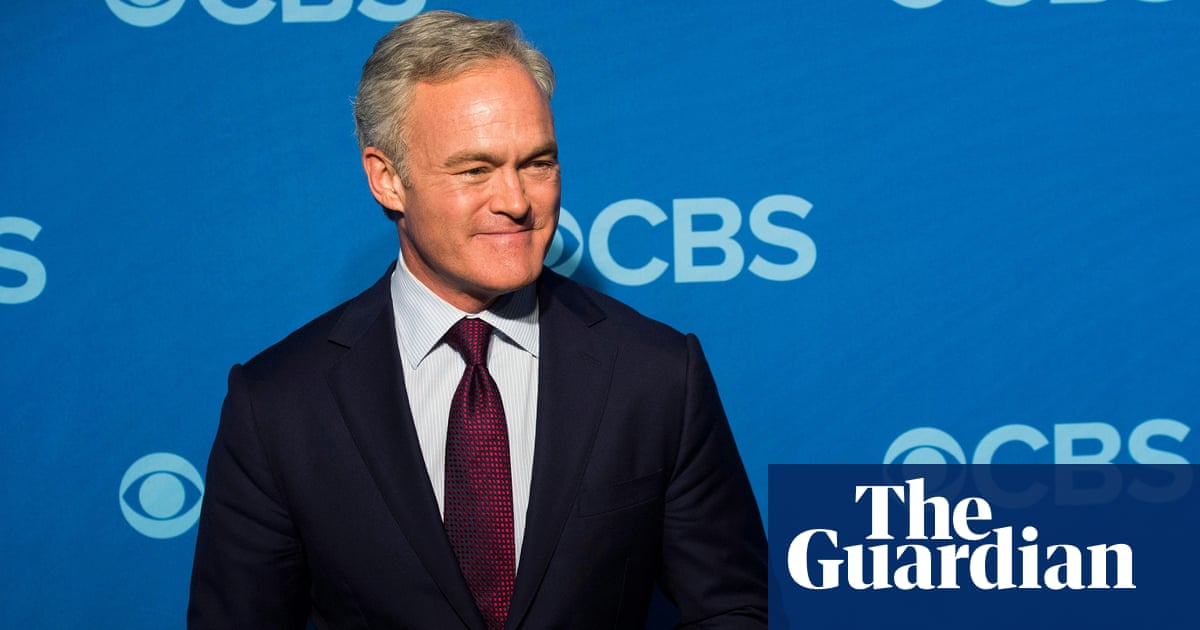
Longtime 60 Minutes anchor Scott Pelley was fired this week following a heated confrontation with CBS News editor-in-chief Bari Weiss regarding the network’s editorial independence. Pelley accused management of attempting to inject bias into a report on the death of a Minneapolis protester, alleging he was pressured to misrepresent the circumstances of the fatal encounter.
Pelley’s Allegations of Editorial Interference
The conflict centers on a segment aired by CBS 60 Minutes concerning the death of Renée Good, who was killed by an immigration enforcement officer in Minneapolis earlier this year. Scott Pelley, a 37-year veteran of the network, claims that hours before the broadcast, Bari Weiss sent an email to his supervisor demanding specific changes that would alter the narrative of the event.
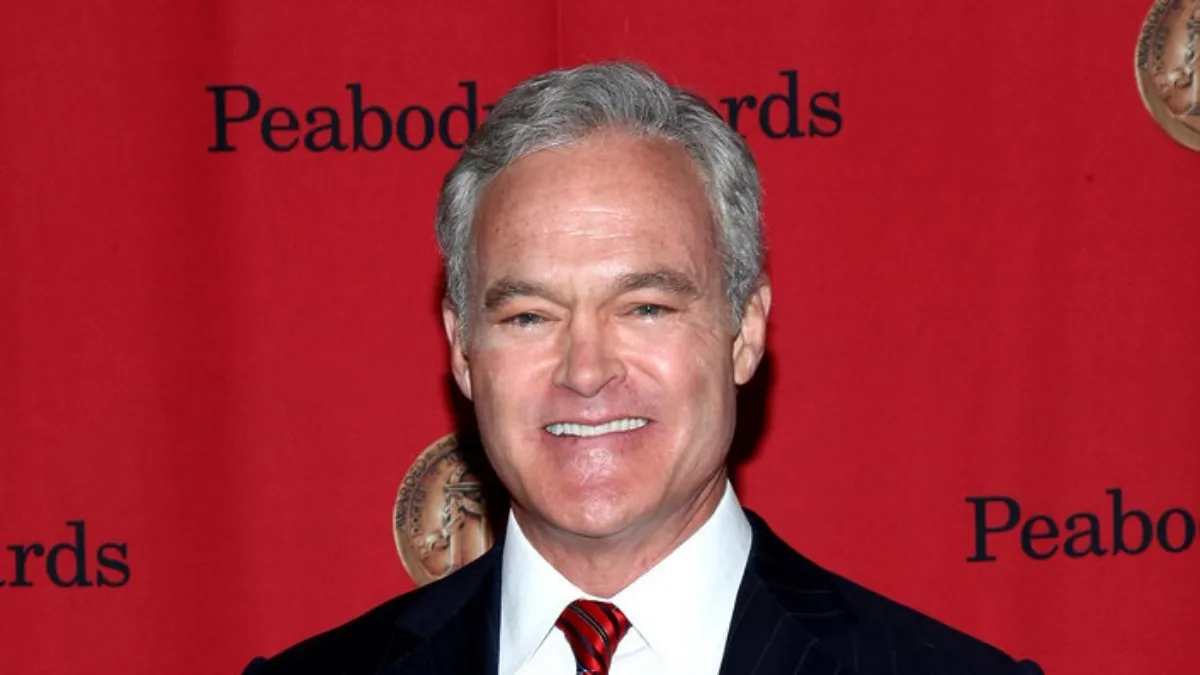
According to Mother Jones, Pelley stated that the email requested he portray the protesters as more violent and frame the incident involving Good’s vehicle in a way that contradicted available video evidence. Pelley told interviewers that the directive specifically instructed him to describe Good as “driving toward the officer,” a claim he maintains is unsupported by the footage.
Two of the things in the email include, ‘Can we make the protesters look more violent?’ Now, I’m paraphrasing. I don’t have the quote, but that’s what was communicated to me. And the other thing, Renee Good’s car. You need to describe her as driving toward the officer.
The Defense from CBS Management
In response to the allegations, a spokesperson for CBS News stated that the email exchange was part of a standard editorial process. The network maintained that the suggestions were intended to ensure the segment was “as strong, fair, and accurate as possible” and insisted there was “no political motivation” behind the requested revisions. The spokesperson further noted that not all of the points raised by Weiss were included in the final broadcast.
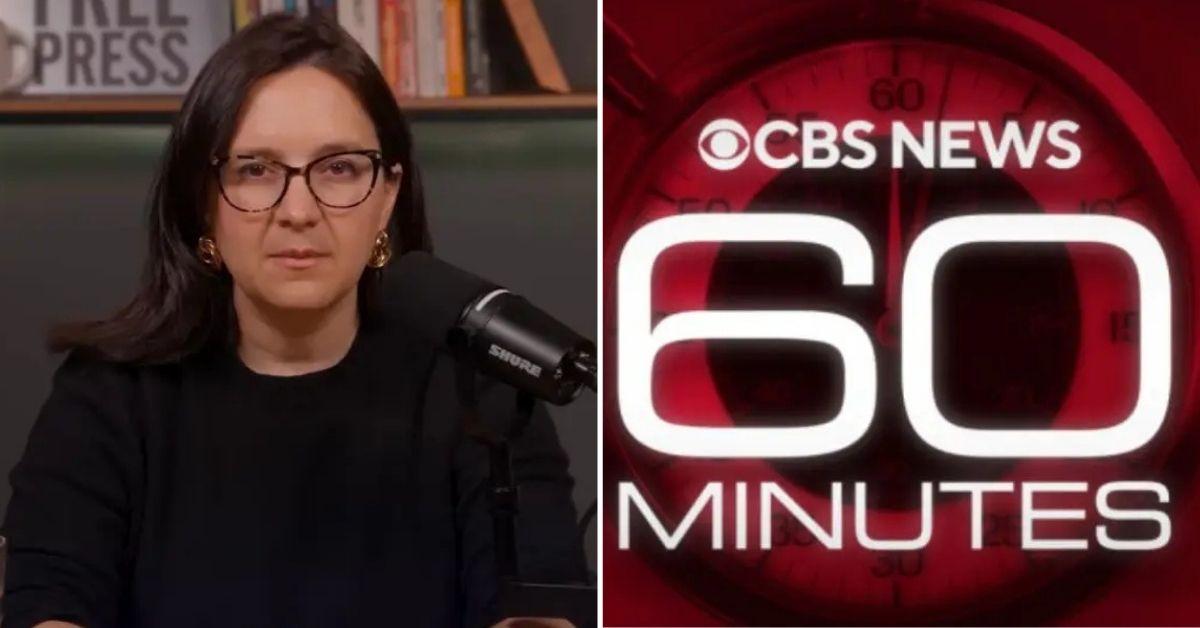
For more on this story, see Scott Pelley Fired From 60 Minutes After Clashing With Bari Weiss.
This controversy coincides with a period of significant transition at the network. Bari Weiss took control of the news division last October after Paramount Skydance CEO David Ellison purchased her website, The Free Press, for a reported $150 million. Since then, the flagship program has seen high-level personnel changes, including the departure of executive producer Tanya Simon.
Clashing Visions for the Future of 60 Minutes
Beyond the specific editorial dispute, Pelley’s exit highlights a broader tension regarding the modernization of the 58-year-old news program. Pelley expressed deep skepticism toward the leadership of Weiss and the recently installed executive producer, Nick Bilton. He characterized their lack of traditional television news experience as “red flags,” arguing that their attempts to attract younger audiences through internet-focused strategies are fundamentally flawed.
Pelley described the current leadership’s approach as disconnected, remarking that it was “almost as if Bari Weiss and Nick Bilton were sealed in a time capsule in 1990, and it just cracked open.” Despite the internal friction, Bilton has emphasized a commitment to the show’s core mission, stating in a memo to staff that the network will “always pursue stories without fear or favor.”
This follows our earlier report, Pelley Accuses CBS of ‘Murdering’ 60 Minutes Amid Mass Fires, Trump-Linked Overhaul.
Operational Challenges and Political Stakes
While the editorial disputes have grabbed headlines, Pelley pointed to systemic operational issues as a more pressing concern. He noted that the production of the segment in question was nearly derailed by mismanagement, coming within 19 minutes of failing to make it to air. For Pelley, this level of disarray, coupled with what he described as a “thumb on the scale” on behalf of the administration, created an environment where independent journalism became increasingly difficult to maintain.

The firing of a veteran anchor of Pelley’s standing signals a volatile period for the network. With key veterans like Lesley Stahl, Bill Whitaker, and Jon Wertheim remaining, the focus now turns to whether the new management can stabilize the program or if further departures are imminent. The tension between the show’s traditional journalistic standards and the new leadership’s modernization mandate remains the defining conflict at the center of the network’s current crisis.
