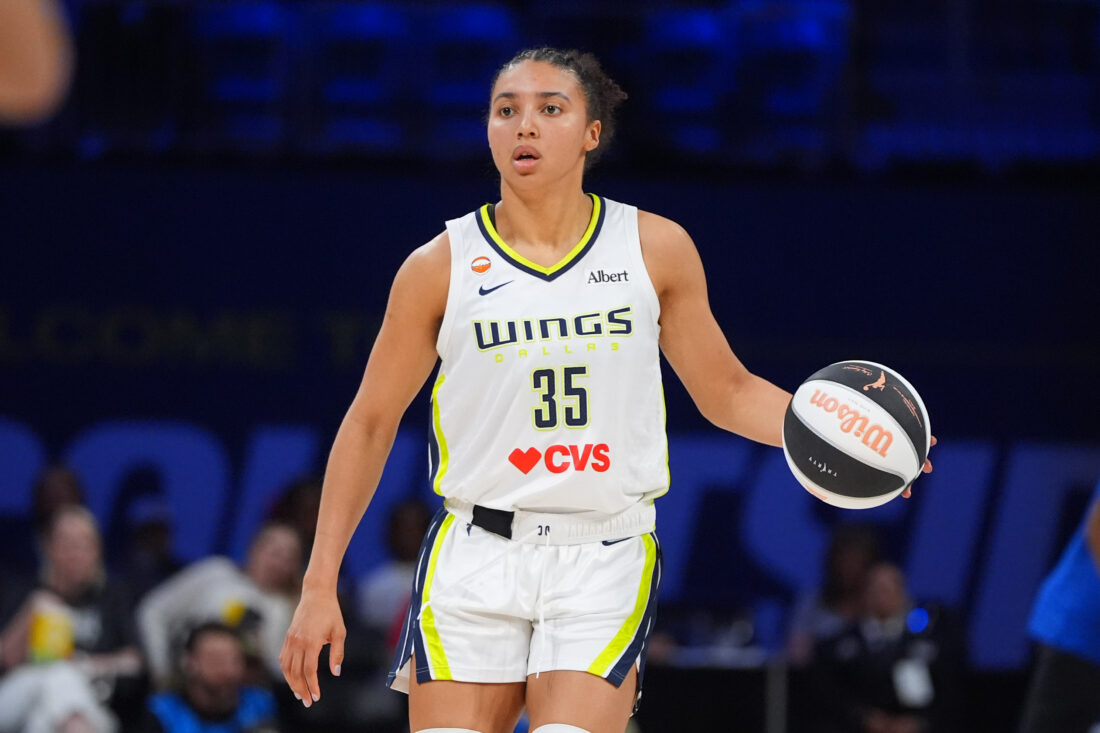
Dallas Wings rookie Azzi Fudd announced on social media Friday that she will join the new 5-on-5 league, Project B, for the upcoming offseason. The No. 1 overall pick in the April draft, who is currently averaging 12.7 points per game, becomes one of roughly a dozen high-profile players committed to the global circuit.
Project B structure and global schedule
Project B is set to operate from November through April, positioning itself as a major alternative for professional women’s basketball players during the WNBA offseason. According to reporting by the Lawrence Journal-World, the league plans to host seven two-week tournaments across Europe, Asia, and the Americas. The competition will feature 66 players divided into six teams, with each roster carrying 11 athletes.

The league has already secured two host cities, Valencia, Spain, and Tokyo. The Tokyo leg of the tour is scheduled to run from March 25 through April 4. To manage the scale of these international events, the organization has tapped Host Broadcast Services—the same entity that produces the FIFA World Cup—as its official production partner. All games are expected to be streamed to a global audience.
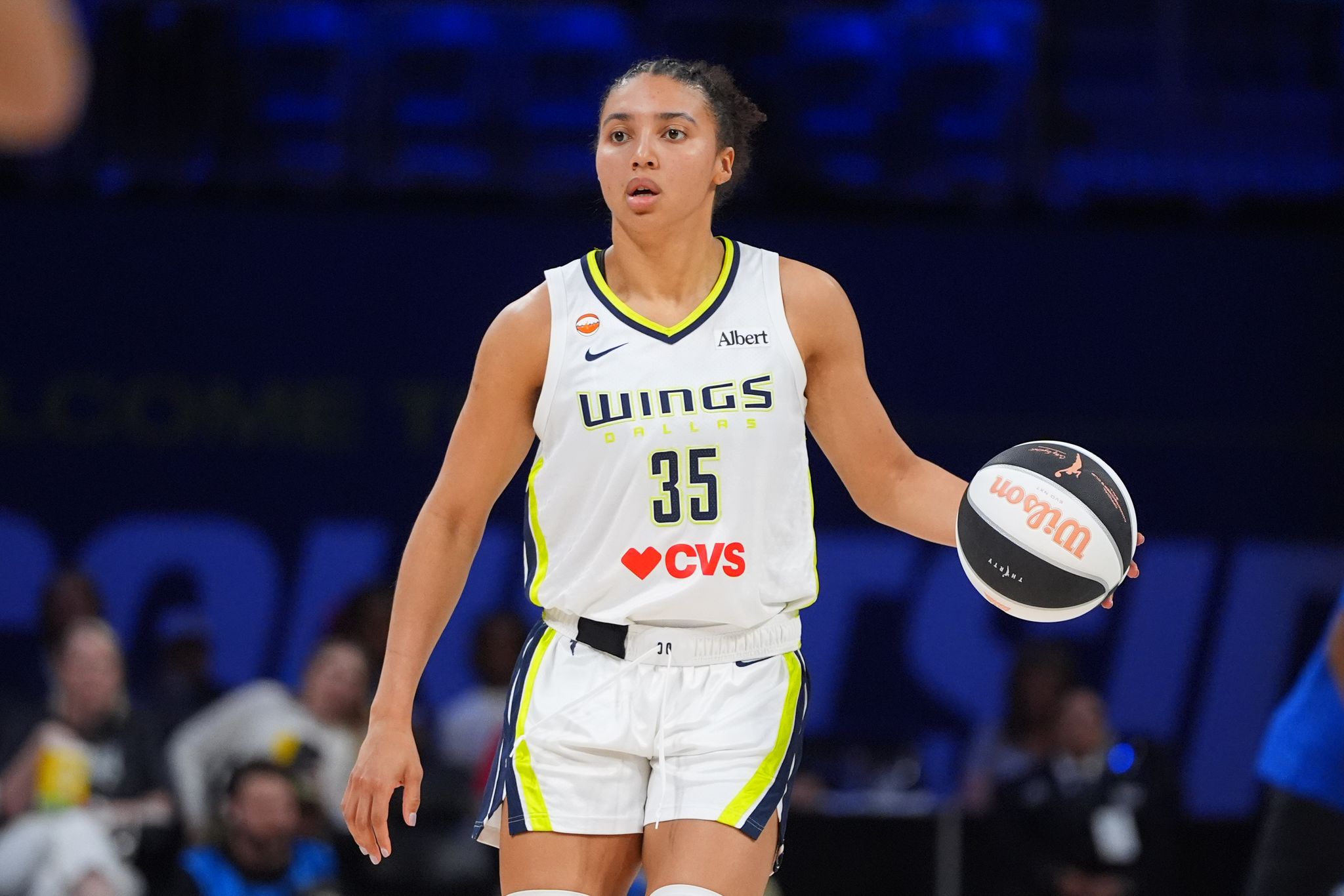
This structure represents a shift in how professional basketball is consumed during the winter months. Traditionally, WNBA players have sought overseas opportunities in leagues based in countries like Turkey, Russia, or China to supplement their income and maintain conditioning. However, those leagues often involve playing for a single club team for the duration of a domestic season. Project B’s tournament-based model, which moves teams to a new location every two weeks, offers a modular alternative that minimizes the disruption of living in a single foreign country for six months.
Recruitment and the financial appeal
Fudd joins a growing list of notable talent, including No. 3 draft pick Awa Fam. Other established stars attached to the project include Nneka Ogwumike, Alyssa Thomas, Jonquel Jones, Jewell Loyd, and Kelsey Mitchell. NBC Sports reports that the league is also actively recruiting young players from around the world to fill out its rosters.
A primary driver for this influx of talent appears to be the league’s compensation model. The organization claims that players will receive salaries higher than those currently offered within the WNBA. For context, Fudd is earning $500,000 as the top pick in the current WNBA season. While Fudd previously held an NIL deal with the competing venture Unrivaled during her college career, her shift to Project B marks a significant commitment to this specific international tournament structure.

The financial disparity between WNBA salaries and the earning potential of top-tier athletes in other professional sports has long been a subject of debate. Historically, the WNBA’s collective bargaining agreement has capped individual player salaries, leading many of the league’s most recognizable faces to seek additional income streams. By positioning itself as a higher-paying alternative, Project B is effectively competing for the time and physical health of the WNBA’s premier talent, forcing a conversation about the retention of top stars during the league’s dormant period.
Performance metrics and professional transition
Fudd’s decision to play abroad comes during a high-stakes rookie campaign. As of the most recent league data, the former UConn standout is shooting 50.7% from the field. Her ability to contribute as a perimeter scorer—evident in her 12.7 points per game—has been a focal point for the Wings, who saw her drafted first overall this past April.
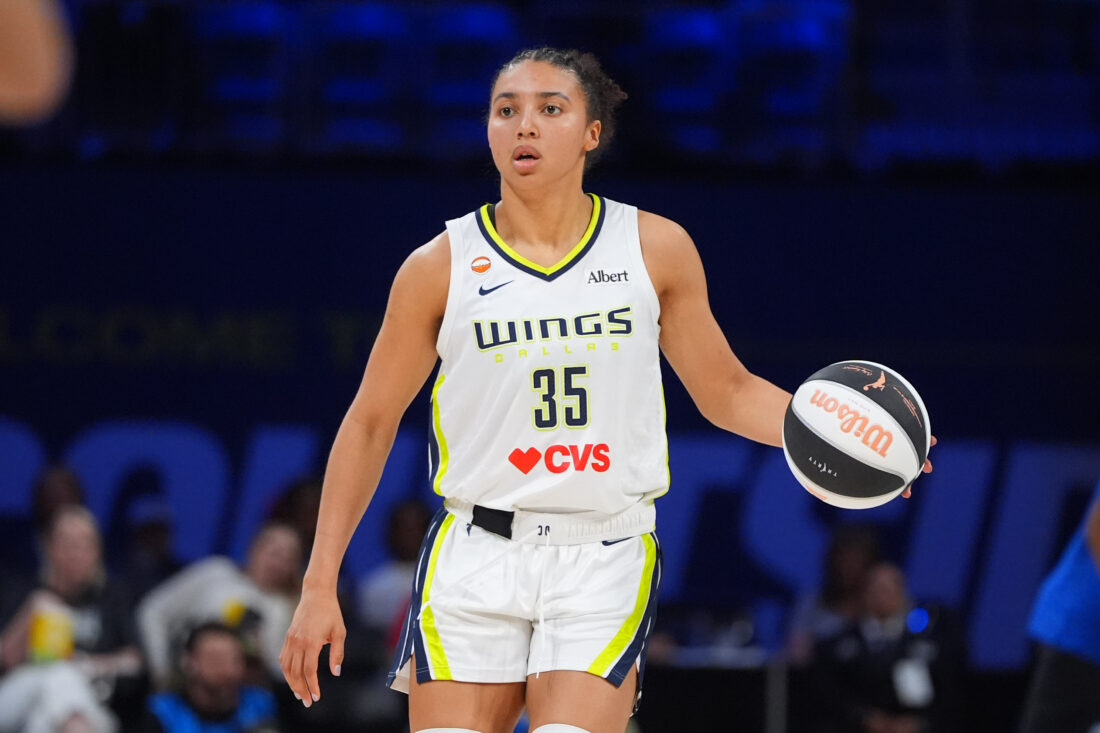
The Wings are currently navigating a competitive phase of their season, looking to integrate Fudd into a core group that requires consistent floor spacing. Her efficiency as a rookie is critical to the team’s offensive efficiency, as she serves as both a primary scoring option and a threat that draws defensive gravity away from interior players. Her participation in Project B will require her to balance the physical toll of a year-round schedule with the conditioning demands of the WNBA.
The move to join a league that spans multiple continents mirrors a trend of top-tier players seeking competitive opportunities outside of the standard WNBA calendar. The Huron Daily Tribune notes that the league’s focus on high-production broadcasting and consistent tournament play aims to keep these stars in the public eye during the traditional off-season months. For Fudd, the transition to Project B offers a chance to maintain her shooting rhythm and competitive edge in a new environment, effectively extending her season by five months.
For the WNBA, the emergence of Project B presents both an opportunity and a challenge. Increased exposure for its stars during the winter months can help maintain brand visibility; however, it also increases the risk of injury and fatigue. As the league continues to grow in popularity, the management of player health and the prevention of burnout during the WNBA’s offseason will remain a central concern for team executives and medical staffs across the league.
The next 30 days will likely see further roster announcements as the league works toward its November start date. With 66 spots available and only a dozen players publicly committed, the distribution of the remaining 54 roster spots will be the next major indicator of the league’s impact on the professional basketball hierarchy.
Find more reporting in our Sports section.
