
Apple is abandoning its planned Vision Pro 2 headset to focus on a new generation of AI-powered smart glasses that could hit stores as early as 2027—and fundamentally reshape the $200 billion eyewear market. The shift, first reported by Bloomberg’s Mark Gurman, marks Apple’s most aggressive play yet in wearables since the Apple Watch, blending fashion, utility, and deep iPhone integration into a device that may finally make smart glasses mainstream.
The Strategic Pivot: From Vision Pro 2 to N50 Smart Glasses
Apple’s smart glasses strategy is a high-stakes gamble to replicate the success of the Apple Watch, but with a critical difference: this time, the company isn’t just entering a niche market—it’s aiming to dominate the entire glasses industry. The Vision Pro 2, once expected as a 2026 or 2027 launch, has been shelved in favor of a lighter, more practical device codenamed N50, according to Gurman’s reporting. Unlike the Vision Pro—a bulky, mixed-reality headset—the new glasses will look like traditional frames, with no AR projection, no bulky sensors, and a design focused on comfort and everyday use.
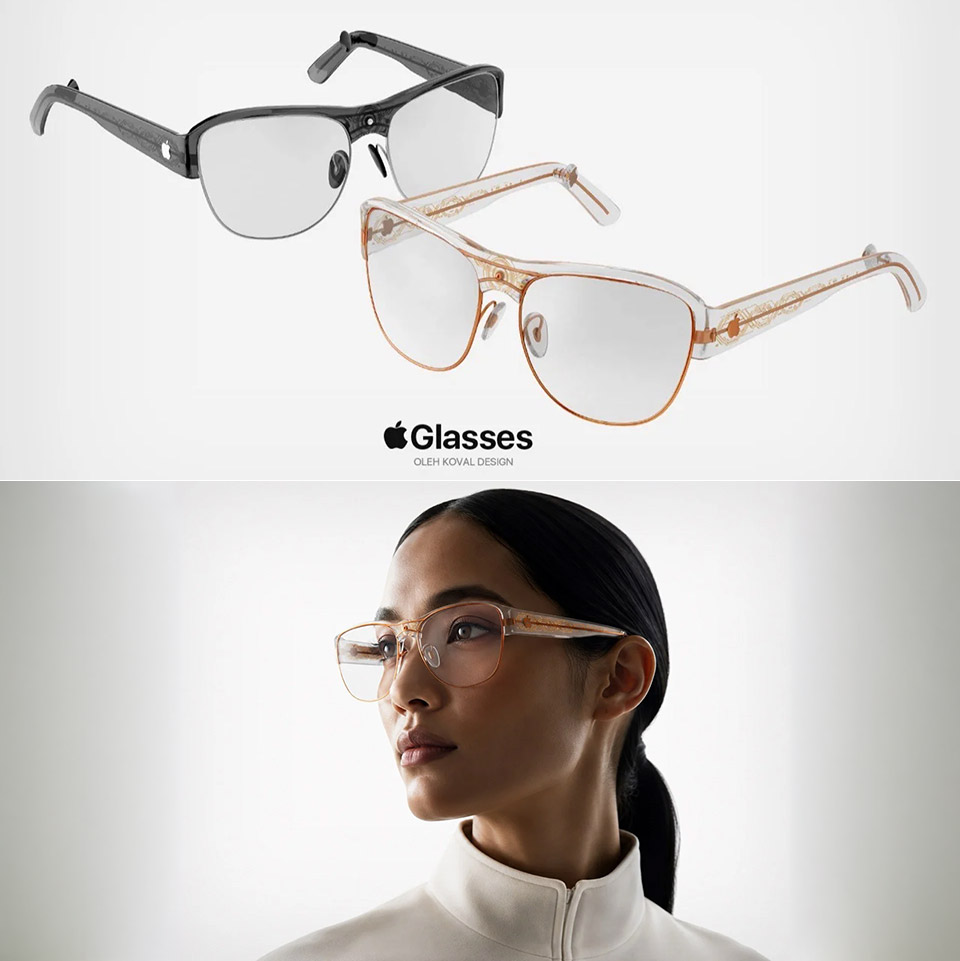
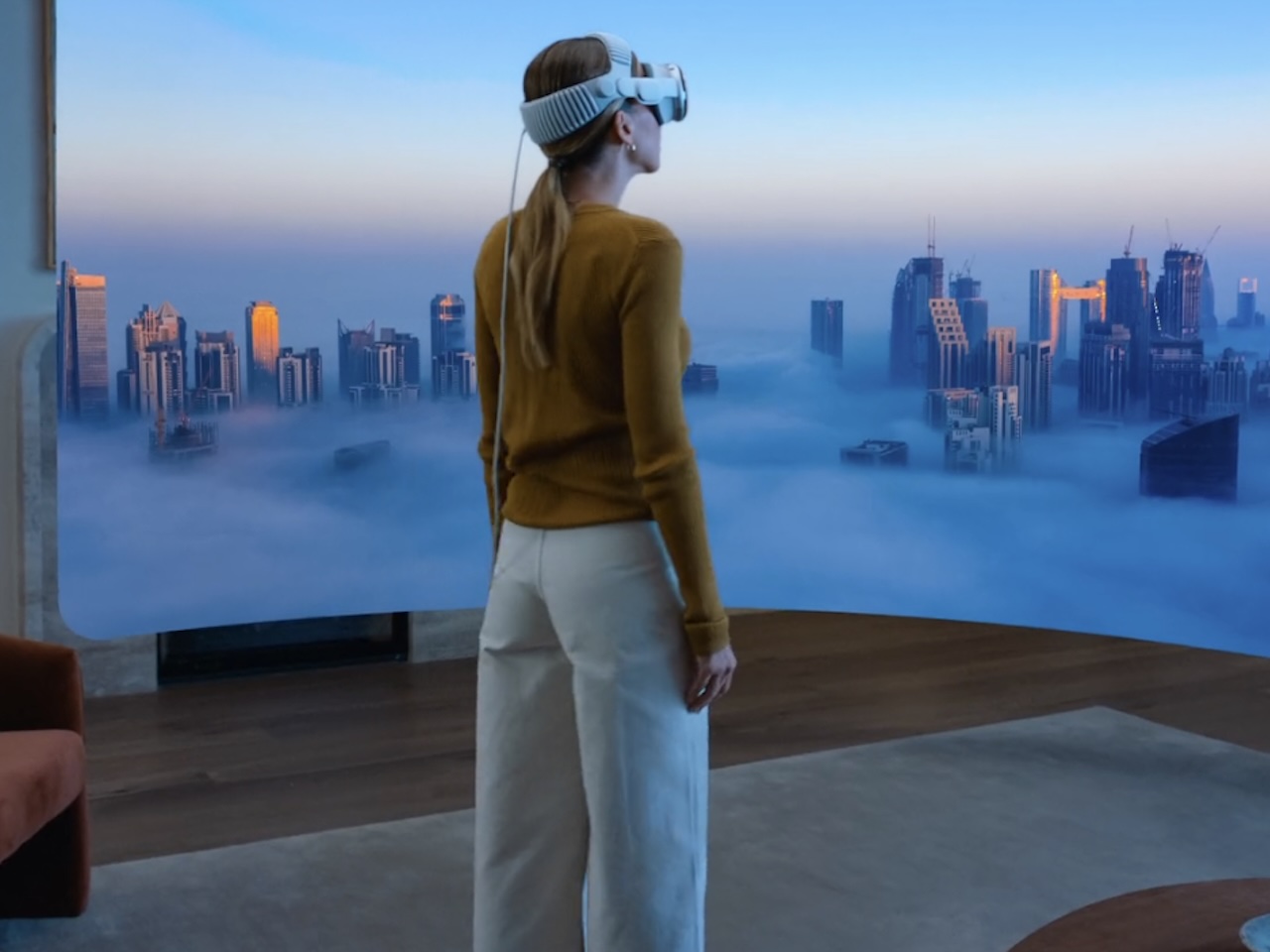
The pivot reflects Apple’s hard-earned lesson from the Apple Watch’s launch: success in wearables requires blending premium design with seamless integration into existing ecosystems. The Vision Pro, despite its groundbreaking spatial computing, struggled with adoption due to its $3,500 price tag and clunky form factor. The new glasses, priced between $200 and $500, target a far broader audience—one that already buys Ray-Ban, Oakley, or Warby Parker. Apple’s playbook is clear: leverage its brand, design prowess, and iPhone ecosystem to turn smart glasses from a niche gadget into a must-have accessory.
Design Philosophy: Disguising Tech as Everyday Eyewear
A Design That Feels Like Glasses, Not Tech
The N50’s most striking feature is its ordinariness. Unlike Meta’s Ray-Ban Meta or Google Glass, Apple’s glasses won’t scream “smart”—they’ll look like high-end acetate frames, available in shapes ranging from classic wayfarers to oval and circular designs. Weighing less than 50 grams, they’re engineered for all-day wear, with four frame styles already in testing. The goal? To make the technology invisible.
Inside, the glasses pack a dual-camera system: one for high-resolution photos and videos, the other for AI-driven tasks like gesture recognition, text translation, and object identification. A proprietary N401 chip (derived from Apple Watch silicon) handles basic processing, while heavier tasks offload to the paired iPhone via Bluetooth or ultra-wideband. The result is a device that avoids the battery-drain and bulk of AR headsets, instead offering a sleek, always-on companion for iPhone users.
This minimalist approach mirrors Apple’s philosophy with the Apple Watch: start with a simple, elegant design, then layer in features over time. The glasses will debut with basic AI functions—think hands-free calls, music playback, and Siri integration—but future updates could expand into health monitoring, spatial computing, or even augmented reality overlays. The key, as Gurman’s sources emphasized, is practicality: no bulky displays, no short battery life, just a device that enhances daily life without getting in the way.
The Vision Pro 2’s Indefinite Delay and Its Implications for AR
The Vision Pro 2 Is Dead—At Least Until 2028
Apple’s shelving of the Vision Pro 2 isn’t just a delay—it’s a strategic retreat. The original Vision Pro, launched in 2023, was a bold but flawed experiment: a $3,500 headset that promised mixed reality but delivered a product too expensive and unwieldy for most consumers. The M5 refresh in October 2025—a minor hardware update—was a stopgap, not a true successor.
Now, Apple is betting that the market isn’t ready for a premium AR headset just yet. Instead, it’s doubling down on a 2027 launch for the N50 glasses, with the Vision Pro 2 pushed back to “sometime in 2028”, according to Gurman. This timeline aligns with analyst Ming-Chi Kuo’s earlier predictions, suggesting Apple’s supply chain is already gearing up for a next-gen Vision Pro—but not until after the glasses have proven the market.
The delay also reflects Apple’s cautious approach to AR. While Meta and Microsoft have raced to ship AR glasses, Apple’s strategy has been to master the fundamentals first. The N50 isn’t just a competitor to Ray-Ban Meta—it’s a gateway device, designed to make users comfortable with wearables before introducing more complex features. If successful, it could pave the way for a Vision Pro 2 that’s lighter, cheaper, and more integrated with daily life.
Market Impact: Apple’s Bid to Dominate the $200 Billion Eyewear Industry
Why This Matters: The $200 Billion Glasses War
Apple’s move into smart glasses isn’t just about wearables—it’s about owning the next major computing platform. The global eyewear market is worth $200 billion, with hundreds of millions of pairs sold annually. By entering at the $200–$500 price point, Apple isn’t just targeting tech enthusiasts; it’s going after the same customers who buy designer frames from brands like Persol or Oakley.
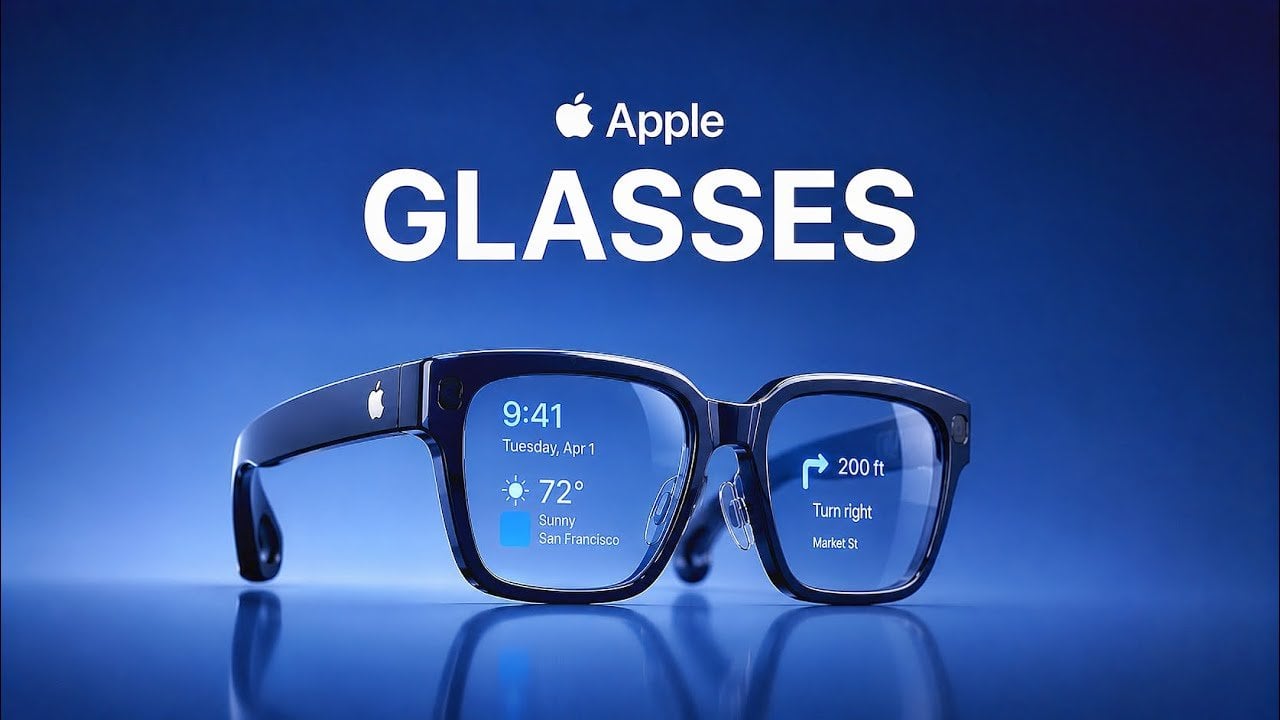
The stakes are high. Apple’s success here could mirror its iPhone strategy: start with a premium product, then expand into lower-cost tiers. The Apple Watch, initially priced at $349, now spans from $199 to $1,000+ models. A similar playbook for glasses could mean Apple dominating both the high-end and mass-market segments—leaving competitors like Meta, Google, and Bose scrambling to keep up.
But the biggest risk? Consumer adoption. Smart glasses have failed repeatedly because of bulk, battery life, and social stigma. Apple’s bet is that by making the N50 look and feel like ordinary glasses, it can bypass those hurdles. If it works, the glasses could become as ubiquitous as AirPods—an always-on extension of the iPhone. If it fails, Apple risks repeating the Vision Pro’s struggles: a brilliant but impractical product that never gains traction.
What Comes Next: The 2026–2028 Roadmap
The timeline raises questions about Apple’s priorities. Is the Vision Pro 2 truly dead, or is it being reimagined as a premium companion to the glasses? Will the N50’s success make the Vision Pro more viable, or will Apple pivot entirely to a glasses-first AR strategy?
One thing is certain: Apple isn’t just entering the smart glasses market—it’s aiming to redefine it. The company’s track record suggests it won’t rush. If the N50 succeeds, we could see a future where every iPhone user wears Apple glasses—not as a gadget, but as a natural extension of their daily life.
- AppleInsider on Apple’s glasses market strategy
- Geeky Gadgets on AI-powered design
- The Gadgeteer on Vision Pro 2 delay
- <a href="https://www.techeblog.
Apple's entry into the smart glasses market is part of a broader strategy to reimagine and revolutionize user interactions, much like its recent forays into augmented reality with the iPhone and iPad.
