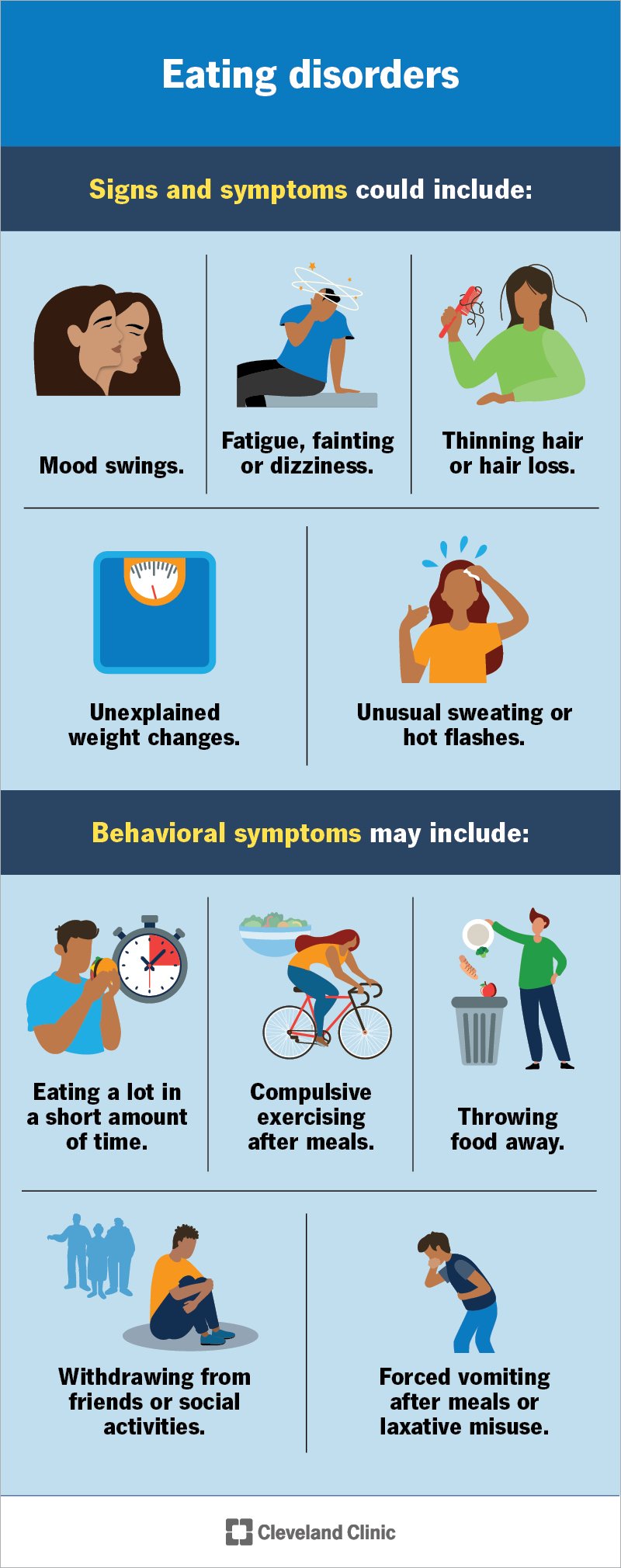
As of May 2026, the widespread adoption of GLP-1 weight-loss medications has sparked significant concern among medical professionals regarding their impact on patients with eating disorders. While these drugs are increasingly marketed to older populations, experts warn that their appetite-suppressing effects may be improperly utilized, potentially exacerbating disordered eating behaviors.
The Clinical Intersection of GLP-1s and Eating Disorders
Eating disorder symptoms
The clinical landscape for GLP-1 receptor agonists has shifted rapidly, moving from specialized treatment to a mainstream pharmaceutical trend. According to reporting from AOL.com, approximately one in eight American adults currently reports using a GLP-1 drug, with the highest prevalence of usage occurring in the 50–64 age demographic. However, the ease of access to these medications has created a disconnect between patient intent and medical necessity.
Physicians are increasingly encountering patients who seek these prescriptions without a clear health-related goal, often driven by aggressive marketing campaigns that frame weight loss as an essential fix for the aging process. This trend carries significant risks, particularly for individuals with a history of disordered eating. A 2024 study published in the International Journal of Eating Disorders indicated that these medications could contribute to the development or worsening of eating disorder symptoms, a reality that complicates routine clinical care.
Institutional Blind Spots in Diagnosing Disordered Eating
cluster (priority): AOL.com
A major challenge facing the medical community is the outdated diagnostic framework used to identify eating disorders. Training in medical schools has historically focused on a narrow profile: young, underweight, white women. This legacy bias leaves older patients and those who do not fit the traditional “classic presentation” vulnerable to misdiagnosis or oversight.
“This is hard to admit, but the truth is, we’re trained to miss eating disorders in older women. In medical school, the eating disorder cases we studied were almost always young white women. The textbooks showed underweight teenagers.”AOL.com
The risk is not merely theoretical. Research indicates that 13 percent of women over 50 now exhibit symptoms of disordered eating, a figure that is rising as these patients navigate the physiological changes associated with menopause. When these patients present with concerns about weight or appetite, medical providers must be vigilant about distinguishing between metabolic management and the onset of clinical eating disorders.
Market Trends and the Persistence of Diet Culture
GLP-1 weight-loss drugs raise eating disorder concerns
The current anxiety surrounding GLP-1 medications within the fashion and retail sectors mirrors historical cycles of “miracle” weight-loss trends. Industry observers note that the plus-size fashion market has historically thrived alongside, rather than in spite of, persistent diet culture. Despite fears that these drugs would diminish the demand for plus-size clothing, the industry continues to see significant growth.
As detailed by The Curvy Fashionista, the global plus-size clothing market was valued at $244.85 billion in 2025 and is projected to reach $395.60 billion by 2034. This trajectory suggests that the core needs of the plus-size community—connection, representation, and community—remain independent of pharmaceutical weight-loss interventions. Executives who view GLP-1s as a threat to their market share are, according to industry analysis, failing to understand that their consumers are seeking brand loyalty and genuine engagement rather than simple product consumption.
Personal Narratives and the Cycle of Restriction
cluster (priority): The Curvy Fashionista
For many individuals, the relationship with food is deeply colored by long-standing familial expectations and cultural pressures that predate the arrival of modern weight-loss injectables. The Nation reports that for those who grew up in environments where weight was a central focus of parental anxiety, the internal struggle with food is often lifelong.
These personal histories often involve a cycle of restriction and desire, where the pressure to “eat less and slower” becomes a internalized mandate. For some, the availability of GLP-1s provides a new mechanism through which to exert control over a body they have been taught to view as a problem to be solved. This context is essential for understanding why, even when patients are aware of the political and medical arguments against reliance on these drugs, they may still choose to pursue them. The drive to achieve a perceived ideal remains a powerful, if often destructive, motivator in a culture that still equates thinness with health.
Claire Donovan coordinates breaking-news coverage across global time zones. She has reported on elections, social movements, and investigative stories in over ten countries. Known for her calm leadership under pressure, Claire guarantees Globally Pulse delivers news that is fast, factual, and fair.