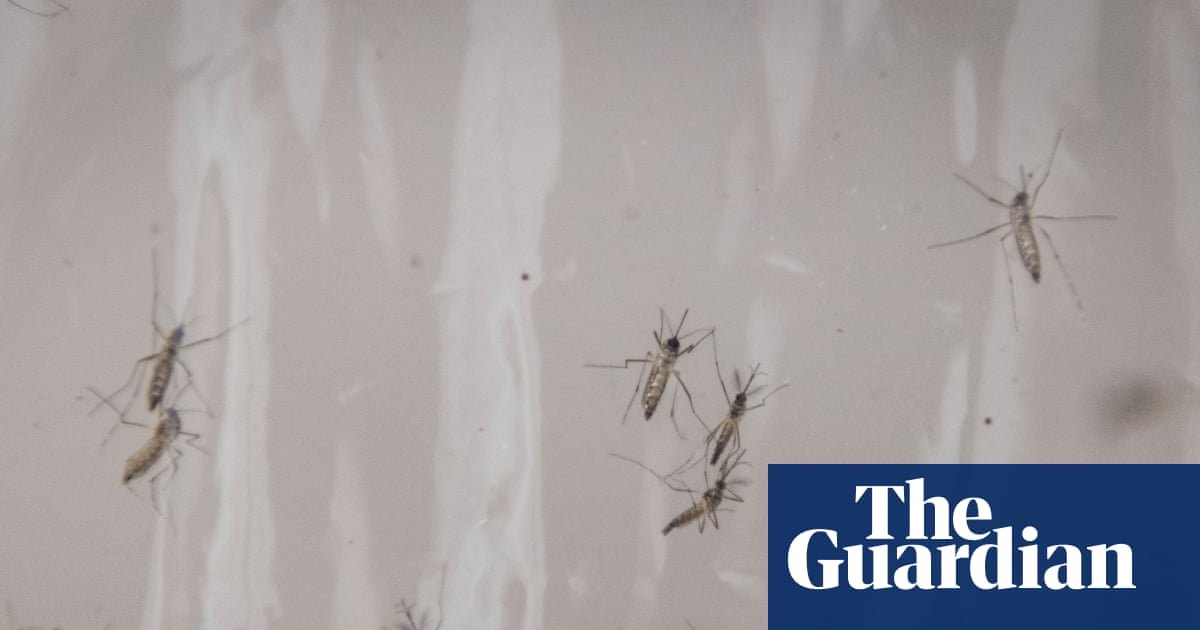
Google has filed an experimental use permit with the US Environmental Protection Agency to release up to 32 million sterilized mosquitoes across California and Florida over the next two years. The initiative, managed by Alphabet’s Debug program, aims to curb the spread of mosquito-borne diseases by utilizing Wolbachia bacteria to reduce reproductive success.
The Mechanics of the Debug Initiative
The core of this proposal relies on a biological strategy often termed the sterile insect technique. By rearing male mosquitoes infected with naturally occurring Wolbachia bacteria, Google intends to disrupt the mating cycle of wild populations. When these laboratory-reared males mate with wild females that do not carry the same strain of bacteria, the resulting eggs are non-viable, effectively preventing them from hatching.

This approach addresses a persistent public health challenge: the limitations of conventional chemical pesticides. Pesticide efficacy often wanes over time, and the toxicity of these sprays raises concerns about environmental impact. Furthermore, identifying and clearing every stagnant water source that serves as a breeding ground remains a logistical impossibility. By targeting the insects directly, the Debug program attempts to suppress populations at the source.
Google, via The Guardian
The company emphasizes that the program is designed to operate without increasing the risk to humans. Because male mosquitoes do not bite, their release into the environment does not contribute to the transmission of diseases or create additional nuisance for residents. As The Times of India reports, the initiative is essentially a sophisticated scaling operation, utilizing AI-powered sex-sorting systems and automated rearing robots to manage the massive numbers required for a field release.
Targeting Disease Vectors in California and Florida
The scope of the proposed trial is significant. If the Environmental Protection Agency grants the permit, Google plans to release 16 million mosquitoes in each state annually over a two-year period. While the exact locations for these releases remain unannounced, the project is specifically focused on species that pose the highest risk to human health.
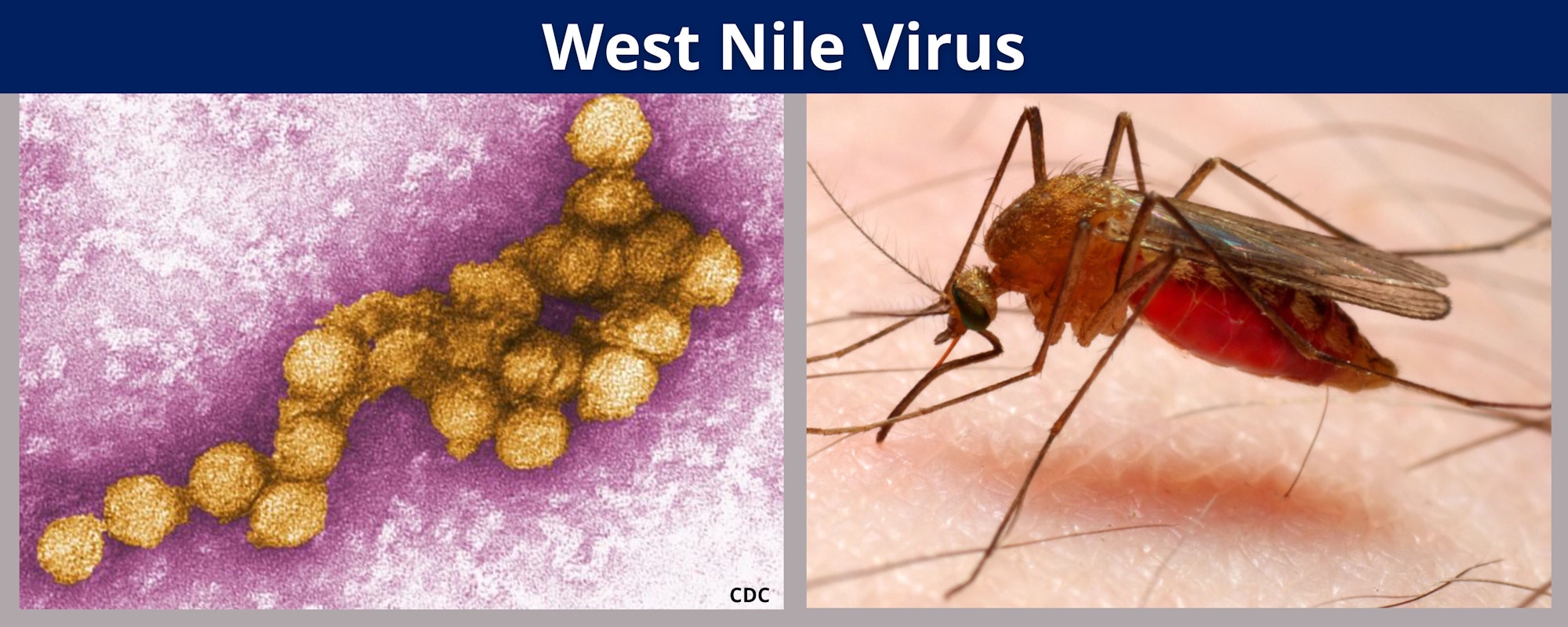
In Florida and California, the Debug program is focusing on two primary vectors. The first is Aedes aegypti, a species responsible for spreading dengue, Zika, yellow fever, and chikungunya. The second is the Culex mosquito, the primary carrier of the West Nile virus and St. Louis encephalitis. According to data provided by the Centers for Disease Control and Prevention, the West Nile virus remains the most common mosquito-borne disease in the United States. The urgency of the project is underscored by recent environmental findings, including a positive sample for the virus confirmed in Riverside County, California, as recently as late May 2026.
From Moonshot Project to Full Acquisition
The Debug program has a history spanning approximately a decade, originating as a “moonshot” project within Google X before moving to Verily, the life sciences subsidiary of Alphabet. This transition marked a shift in how the tech giant approached global health problems, applying data science and robotics to biological interventions.
The organizational structure of the project underwent a notable change in December 2024, when Google fully acquired the Debug program, effectively removing it from the Verily portfolio. This consolidation signals that the company views the technology as mature enough to move beyond the experimental incubation phase typical of Verily’s projects.

“the population gets smaller with each generation.”
Google, via The Guardian
While the scale of this specific request is large, the scientific foundation is not entirely novel. The sterile insect technique has been utilized for decades to manage problematic insects. Eric Caragata, an assistant professor at the University of Florida specializing in mosquito-microbe interactions, noted that the use of Wolbachia for sterilization has been a studied practice for roughly 15 years. Previous smaller-scale trials, such as those conducted by the Florida Keys Mosquito Control District, have already yielded meaningful reductions in local mosquito populations, providing a proof-of-concept that Google is now attempting to scale through its proprietary robotics.
Regulatory Review and Public Comment
The path forward for the 32-million-mosquito project is currently gated by federal oversight. The Environmental Protection Agency is reviewing the request under an experimental use permit, a standard regulatory step for introducing biological control agents into the environment. The agency has opened a public comment period, which is scheduled to conclude on June 5, 2026.
Whether the EPA grants the permit will likely hinge on the data presented regarding the safety and environmental impact of the release. If approved, the phased rollout will provide a significant real-world test for the integration of high-tech robotics with public health initiatives. For residents in the affected states, the next 30 days represent a critical period as federal regulators weigh the potential for a significant reduction in disease-carrying insects against the public interest in such a large-scale biological deployment.
