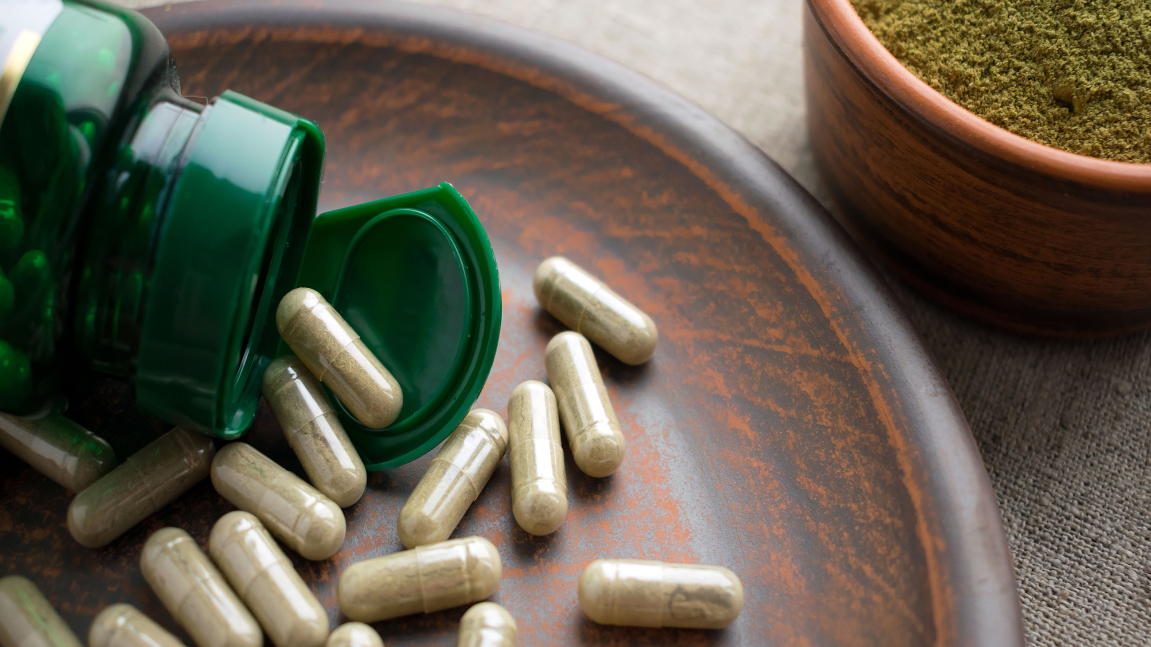
The U.S. Food and Drug Administration (FDA) and the National Institutes of Health (NIH) warn that certain dietary supplements, including green tea extract, ashwagandha, turmeric, and kava, are linked to documented cases of liver injury. Consumers should consult healthcare providers before starting these products, as regulation of supplement safety remains limited.
Green Tea Extract and Hepatotoxicity Risks
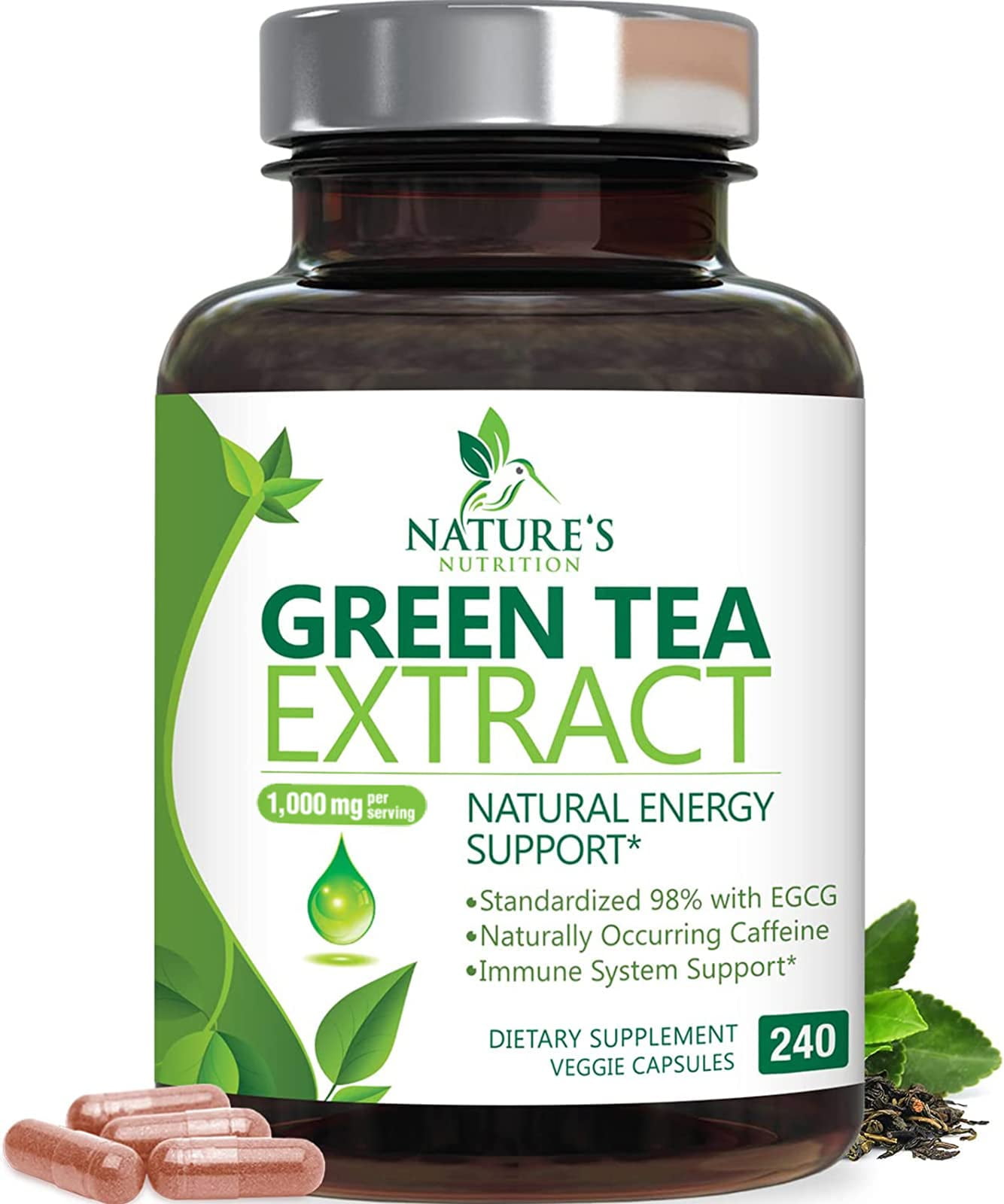
Green tea extract, often marketed for weight loss and antioxidant benefits, has been associated with instances of drug-induced liver injury. According to the National Institutes of Health (NIH) LiverTox database, high concentrations of catechins—specifically epigallocatechin-3-gallate (EGCG)—found in concentrated supplements can lead to elevated liver enzymes and, in rare instances, acute liver failure.

Clinical research published in the Journal of Hepatology indicates that the concentrated nature of these extracts differs significantly from traditional green tea consumption. While drinking green tea is generally considered safe, the potency of standardized extract capsules can overwhelm hepatic metabolic pathways. Patients presenting with jaundice or abdominal pain after using these supplements are often advised to discontinue use immediately to allow liver function to recover. The liver is the primary site for the metabolism of xenobiotics, and when the metabolic capacity of the liver is exceeded by concentrated botanical compounds, the resulting biochemical stress can lead to inflammation or cellular necrosis.
Ashwagandha and Potential Liver Stress
Ashwagandha, an herb frequently used in Ayurvedic medicine to manage stress and anxiety, has seen a recent rise in reports of hepatotoxicity. The NIH’s Office of Dietary Supplements notes that while ashwagandha is widely consumed, case reports have emerged linking the supplement to instances of toxic hepatitis.
In a 2023 review of adverse event reports, researchers noted that patients often exhibit symptoms such as fatigue, dark urine, and jaundice weeks after initiating supplementation. Unlike some other supplements, the mechanism of injury for ashwagandha remains under investigation, with experts suggesting that individual metabolic variations may play a role in how the body processes the herb’s active compounds. The clinical presentation of these cases often involves a latency period, meaning symptoms may not manifest until several weeks or even months after the patient begins taking the supplement, which can complicate the diagnostic process for clinicians attempting to identify the root cause of liver enzyme elevation.
Turmeric and Curcumin Supplementation
Turmeric, and its active component curcumin, is commonly used to treat inflammation. However, the FDA has received reports of liver injury associated with high-dose curcumin supplements. The NIH LiverTox database highlights that these reactions are often idiosyncratic, meaning they occur in a small subset of users regardless of the dosage amount.
Medical literature, including a study in the American Journal of Medicine, suggests that while turmeric as a spice is safe, concentrated supplements may interact with underlying liver conditions or other medications. Clinicians are encouraged to screen patients for supplement use when evaluating unexplained elevations in liver function tests, as the injury can mimic viral hepatitis. Because turmeric is often formulated with additives to increase bioavailability, such as piperine, these additional compounds may also contribute to the complex metabolic interactions that affect liver health in susceptible individuals.
Kava and Regulatory Oversight Concerns
Kava, often used for relaxation, has a long history of international scrutiny regarding liver safety. The FDA has previously issued advisories regarding the risk of severe liver injury, including hepatitis, cirrhosis, and liver failure, associated with the use of kava-containing supplements.
The regulatory landscape for these products is complex. Under the Dietary Supplement Health and Education Act (DSHEA), the FDA does not approve dietary supplements for safety or effectiveness before they are marketed. Manufacturers are responsible for ensuring the safety of their products, but the agency only intervenes once reports of harm reach a significant threshold. This regulatory framework distinguishes supplements from pharmaceutical drugs, which must undergo rigorous clinical trials and FDA review for safety and efficacy prior to market entry. Consequently, the onus of safety monitoring often shifts to post-market surveillance, where the FDA relies on voluntary adverse event reporting from consumers and healthcare professionals to identify emerging public health threats.
The FDA does not have the authority to approve dietary supplements for safety and effectiveness, or to approve their labeling, before they are marketed to the public. U.S.
Clinical Guidance and Monitoring
The risk profile for these supplements is often exacerbated by the lack of standardized manufacturing practices and the potential for contamination or hidden ingredients. Because the industry operates under a different set of standards than pharmaceutical production, products labeled as the same supplement can vary significantly in purity, concentration, and the presence of heavy metals or undeclared botanical adulterants. Patients with pre-existing liver conditions, such as non-alcoholic fatty liver disease (NAFLD) or chronic hepatitis, face a higher risk of adverse reactions because their hepatic reserves are already compromised.

Healthcare providers recommend that patients maintain a complete list of all vitamins, herbal products, and supplements they consume. If a patient experiences symptoms of liver distress, such as yellowing of the skin or eyes, persistent nausea, or severe pain in the upper right abdomen, clinical evaluation is necessary. Diagnostic testing typically includes serum liver function panels, such as alanine aminotransferase (ALT) and aspartate aminotransferase (AST) tests, to assess the extent of hepatic damage.
The absence of symptoms does not necessarily equate to the absence of liver stress, as biochemical markers can rise before clinical symptoms appear. Therefore, proactive communication with a qualified healthcare professional is the most effective way to evaluate the necessity of a supplement regimen. Before beginning any new supplement, consult your healthcare provider to discuss potential risks, pharmacological interactions with existing medications, and whether the supplement is appropriate for your specific health profile.
Find more reporting in our Health section.
