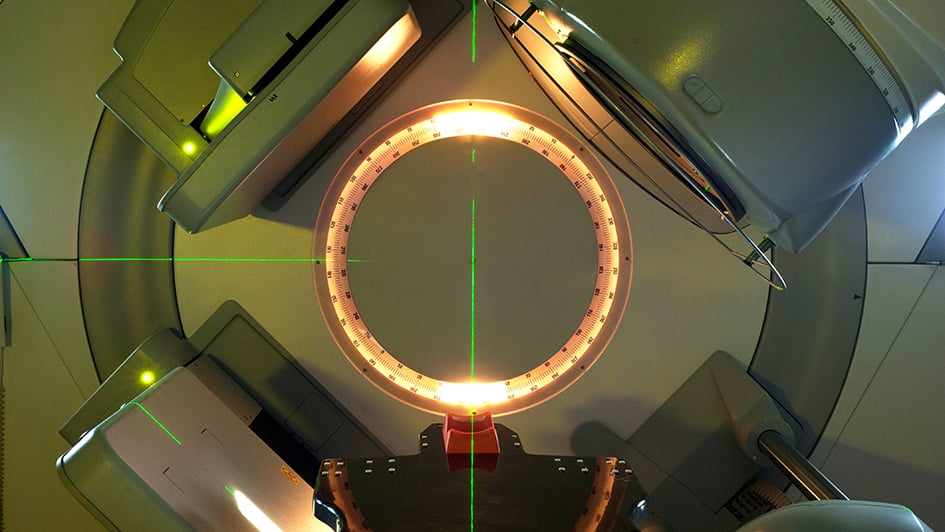
“Thousands of men with prostate cancer in England will now receive stereotactic ablative radiotherapy (SBRT) through the NHS, following a trial showing it reduces treatment time by 75% while maintaining efficacy, according to the Institute of Cancer Research (ICR).”
How SBRT Transforms Prostate Cancer Treatment

The NHS’s decision to roll out SBRT for low-risk prostate cancer follows the PACE-B trial, which demonstrated that the treatment achieves similar cancer control rates as traditional radiotherapy but in just five sessions instead of 20. “I am delighted to see that SBRT, offering patients treatment in just five doses rather than 20, is now being recommended by the NHS,” said Professor Emma Hall, director of the ICR’s Clinical Trials and Statistics Unit. “Treating patients in a fraction of the time is a game-changer” — a sentiment echoed by the NHS, which estimates the shift could free up 50,000 annual treatment slots.
SBRT uses multiple high-dose radiation beams targeted at the tumor from different angles, minimizing damage to surrounding healthy tissue. This precision allows it to deliver a potent dose in fewer sessions compared to standard intensity-modulated radiotherapy (IMRT), which requires 20 weekly visits. “This technology lets us focus a powerful and precise beam of radiotherapy directly onto the cancer, limiting the damage to healthy cells,” said Peter Johnston, NHS national clinical director for cancer.
Comparing SBRT and IMRT: A Historical Perspective
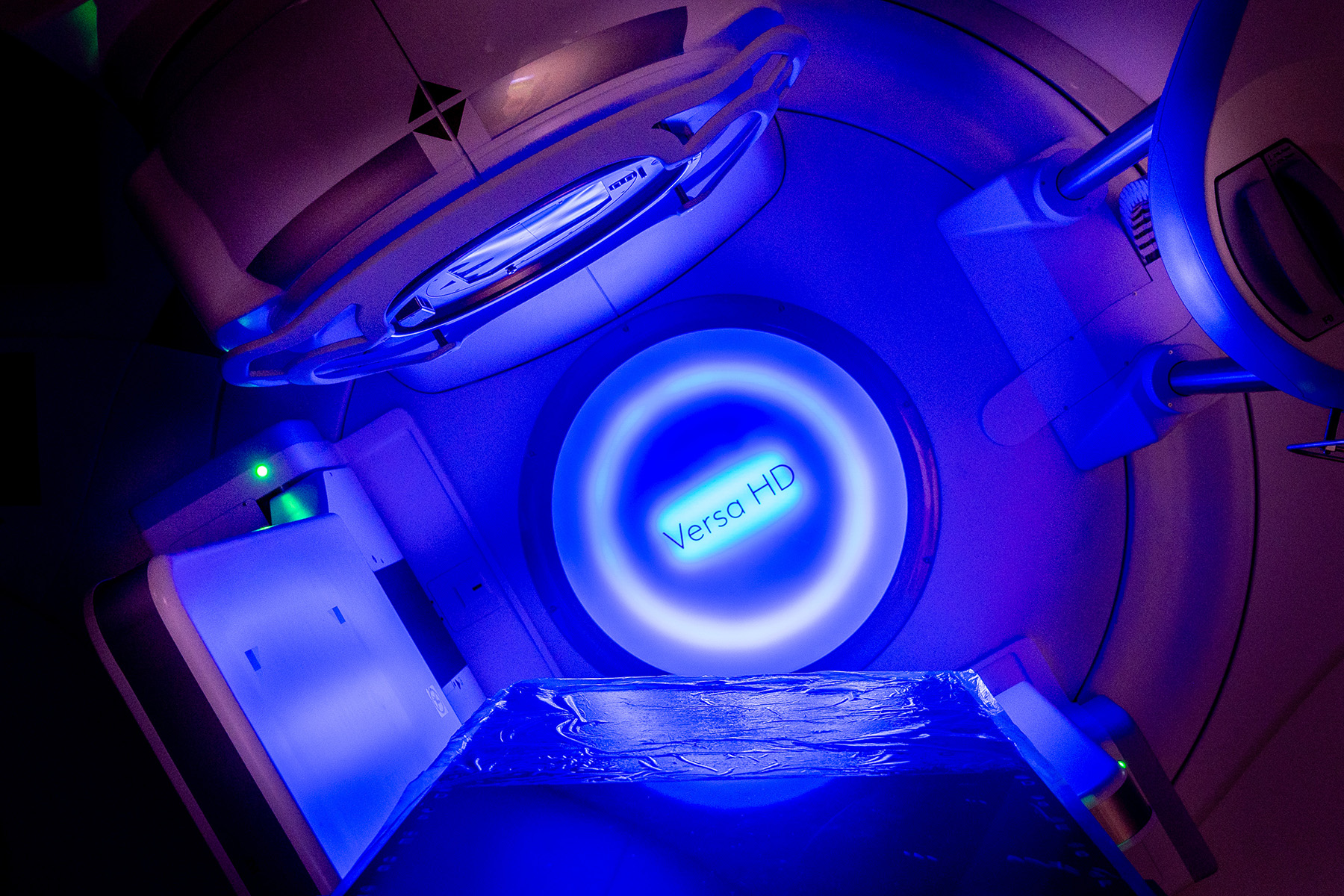
SBRT builds on earlier advancements like IMRT, which itself reduced treatment duration from 37 sessions to 20 by using adjustable beamlets. The CHHIP trial, launched in 2002, established IMRT as the standard for prostate cancer, but SBRT now offers further efficiency. “IMRT’s beams are like an array of adjustable spotlights, but SABR’s are more akin to lasers,” explained Cancer Research UK, highlighting the latter’s millimeter-level accuracy.
The PACE-B trial, managed by the ICR and Royal Marsden Hospital, found that 96% of SBRT patients and 95% of IMRT patients remained cancer-free after five years. Side effects were also comparable, with 5.5% of SBRT patients and 3.2% of IMRT patients experiencing grade 2 or higher urinary or genital issues. “Because it only takes a quarter of the sessions required for standard radiotherapy, SBRT puts much less strain on people and the health service,” noted Cancer Research UK.
Government Investment and Racial Equity Initiatives
The NHS’s move aligns with a £70 million government investment to modernize radiotherapy, aiming to reduce side effects and streamline care. “The treatment is backed by the government’s £70 million investment into radiotherapy treatment,” stated Healthcare Today, emphasizing its role in early cancer detection.
Equally significant is the TRANSFORM trial, part of a £20 million initiative to address disparities in prostate cancer care. Black men, who face double the risk of developing the disease, have historically been underrepresented in screening research. “Black men are at higher risk of prostate cancer and yet have been underrepresented in the evidence informing screening policy,” said Rhian Gabe, a Queen Mary University professor leading the trial. The initiative will initially invite 10% of Black men aged 45–74 to participate, scaling to 100% in subsequent phases.
What’s Next for Patients and Researchers?
NHS England plans to implement SBRT across all 48 radiotherapy centers by June 2026, with early adopters starting as soon as June 15. Meanwhile, researchers are testing SBRT’s potential for higher-risk prostate cancer in the PACE-C trial. “Our researchers aren’t stopping there,” noted Cancer Research UK, which funded both PACE-B and CHHIP.
For patients, the shift means shorter treatment schedules and fewer hospital visits, though eligibility remains limited to low- or medium-risk cases. The broader implications, however, extend beyond convenience: by prioritizing precision and equity, the NHS is redefining how prostate cancer care is delivered. As one expert put it, “This is not just about faster treatment — it’s about smarter care.”
“Black men are at higher risk of prostate cancer and yet have been underrepresented in the evidence informing screening policy,” — Rhian Gabe, Queen Mary University of London.
Find more reporting in our Health section.
---945x532.jpg?sfvrsn=73000500_2 "What’s Next for Patients and Researchers?")
