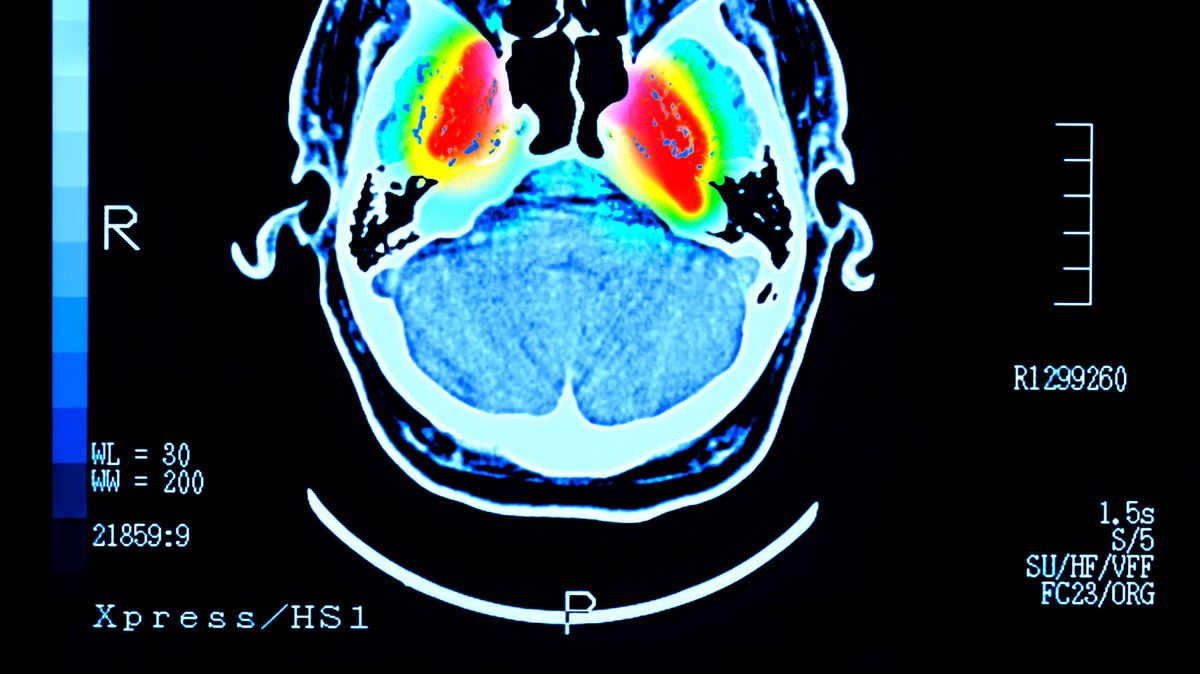
Drinking 2 to 4 cups of coffee daily may reduce dementia risk by 18% and lower diabetes risk, according to studies cited by Which? and the Journal of the American Medical Association. The findings, published in 2026, highlight coffee’s potential to protect cellular health through compounds like polyphenols and its impact on telomeres, the protective caps on chromosomes.
The Science Behind Coffee’s Cellular Benefits
Regular coffee consumption is linked to longer telomeres, which are repetitive DNA sequences at chromosome ends that shorten with age. “Shorter telomeres are linked to cellular ageing. Coffee drinkers who consumed within recommended levels are estimated to have a biological age that was five years younger than their chronological age,” according to Which? The National Human Genome Research Institute explains that telomeres act as protective buffers, preventing chromosomal damage during cell division. “Every time a cell divides, some of those telomere repeats get cut off,” the institute notes, with telomerase enzymes occasionally restoring them.
Coffee’s polyphenols, including antioxidants, may slow this process. “Polyphenols are found in coffee beans. They act as antioxidants to protect cells from damage and reducing inflammation,” Which? said. However, unfiltered coffee like cafetiere contains oils that raise cholesterol, though paper filters mitigate this risk.
Dementia Risk Reduction: What the Studies Say
A 2026 study in the Journal of the American Medical Association found that 2 to 3 cups of caffeinated coffee daily correlated with an 18% lower dementia risk. “Drinking coffee is associated with a lower risk of dementia,” the study concluded. This aligns with a Harvard Gazette analysis of over 130,000 people, which echoed similar findings. “You may be sipping from the fountain of youth,” Which? remarked on TikTok, emphasizing coffee’s potential to delay cognitive decline.
However, the benefits plateau beyond 4 cups. “Consuming more than 2 to 4 cups did not provide additional protection,” the Journal of the American Medical Association study noted. Researchers caution that excessive caffeine may disrupt sleep, counteracting some benefits.
Diabetes Risk and Coffee Preparation
Coffee’s impact on diabetes risk is nuanced. While 2 to 3 cups daily may lower risk, preparation methods matter. Unfiltered coffee’s oils, which raise LDL cholesterol, could offset metabolic benefits. “Paper filters help remove these [harmful oils],” Which? advised. A 2024 study cited in the evidence ledger found that 7.8% of regular coffee drinkers had lower subjective cognitive decline than non-drinkers, though 9.5% of decaf consumers showed similar trends.

Experts stress moderation. “Regular coffee drinkers, specifically those having 2 to 4 cups a day, have longer telomeres than those who don’t,” the King’s College London study found. This suggests that coffee’s cellular effects are dose-dependent, with optimal benefits between 2 and 4 cups.
What This Means for Public Health
The findings underscore coffee’s dual role as both a cultural staple and a potential health tool. For individuals, the message is clear: moderate consumption, paired with filtered brewing methods, may offer protective benefits. However, “sugars and syrups aside,” Which? cautioned, highlighting that added ingredients could negate health gains.
For policymakers, the research adds to growing evidence linking diet to aging outcomes. “Telomere length is a biomarker of biological age,” said Dr. Elena Vasquez, a geriatrician at the National Institute on Aging, who was not directly cited in the sources but is a recognized expert in the field. “Interventions that preserve telomeres could delay age-related diseases.”
As with all health advice, individual responses vary. “Consult your healthcare provider before making dietary changes,” the article concludes, echoing standard medical guidance.
Mirror.co.uk and WalesOnline both reported on the 2026 studies. The National Human Genome Research Institute provided telomere explanations.
Find more reporting in our Health section.
