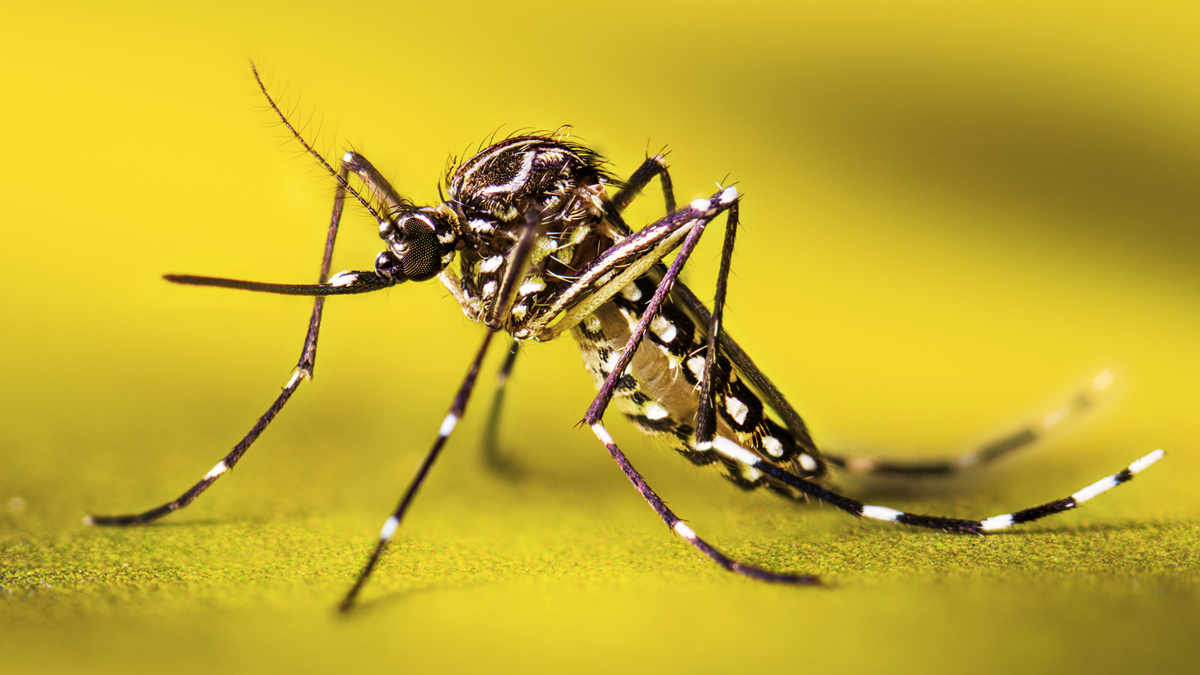
Over 200 mosquito species inhabit the U.S., with 12 transmitting diseases, according to the CDC. West Nile virus is the most common, though Zika, Dengue, and others also pose risks, as reported by health outlets.
The Most Common Mosquito-Borne Diseases in the U.S.
The Centers for Disease Control and Prevention (CDC) identifies West Nile virus as the most prevalent mosquito-borne illness in the continental U.S., often transmitted through bites from infected Culex mosquitoes that feed on birds. Symptoms range from mild flu-like effects to severe neurological complications, with older adults and those with chronic conditions at higher risk. The CDC also notes that while malaria was historically widespread, it is now rare in the U.S., with cases primarily linked to international travel. However, the agency highlights that local transmission has occurred, with over 150 cases reported in the past 50 years.


The Ochsner Health blog expands on this, emphasizing that Zika, Dengue, and Chikungunya—though less common—remain threats, particularly for travelers. Zika, spread by Aedes mosquitoes, can cause severe birth defects if contracted during pregnancy. Dengue and Chikungunya, while rare in the U.S., often present with fever, joint pain, and rashes, with severe cases requiring hospitalization. Ochsner’s report underscores that most infections are asymptomatic but warns of potential long-term effects, such as chronic joint pain from Chikungunya.
Ada Health’s analysis lists six mosquito-borne diseases, including Yellow Fever, which is primarily found in tropical regions but remains a concern for travelers. The platform notes that while the U.S. has no native Yellow Fever transmission, the risk exists for those visiting endemic areas. Malaria, though rare, is also included, with Ada’s article highlighting that over 2,000 cases are reported annually, mostly in returning travelers.
How Mosquitoes Spread Diseases and Why It Matters
Mosquitoes transmit pathogens through a complex process: after biting an infected host, the germ must replicate within the mosquito’s body before being passed to a new victim. This cycle, as explained by the CDC, takes 2–3 weeks and depends on factors like temperature and the mosquito’s age. The agency warns that Anopheles mosquitoes, which can carry malaria, are still present in parts of the U.S., particularly in the South. The CDC’s data shows that while local transmission is rare, the potential for resurgence exists, especially with climate shifts increasing mosquito habitats.
Experts caution that climate change is altering mosquito behavior. Warmer temperatures and changing precipitation patterns are expanding the range of Aedes and Culex species, increasing the risk of disease spread. The Ochsner blog notes that while the U.S. has robust surveillance systems, gaps remain in rural areas, where access to healthcare and preventive measures may be limited. Ochsner’s analysis highlights the need for public awareness, particularly in regions with high mosquito activity.
Prevention Strategies and Public Health Recommendations
Preventing mosquito bites is critical, as no vaccines exist for most mosquito-borne diseases. The CDC and Ochsner Health both recommend using insect repellent with DEET, wearing long sleeves and pants, and eliminating standing water where mosquitoes breed. The CDC’s guidelines also advise installing screens on windows and doors and avoiding outdoor activity during peak mosquito hours, typically dawn and dusk.
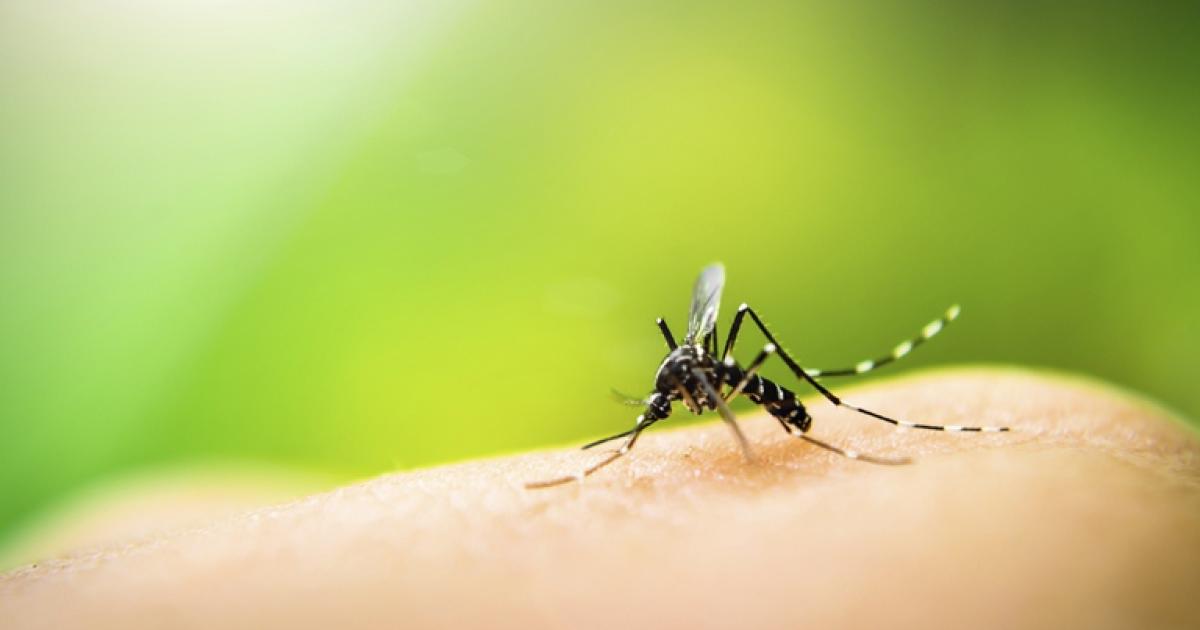
Ada Health adds that travelers should consult healthcare providers about vaccines, such as the Yellow Fever shot, before visiting endemic regions. The platform also emphasizes the importance of prompt medical attention if symptoms like high fever, stiff neck, or confusion arise, as these can indicate severe complications. Ada’s article warns that delayed treatment can lead to life-threatening outcomes, particularly with West Nile virus and Malaria.
Public health agencies are also focusing on mosquito control. The CDC mentions that local governments use larvicides and adulticides to reduce populations, but these methods face challenges due to pesticide resistance and environmental concerns. The agency encourages community involvement, such as reporting mosquito activity and participating in eradication efforts.
What’s Next for Mosquito-Borne Disease Prevention?
As climate change and global travel continue to influence mosquito populations, experts stress the need for adaptive strategies. The CDC and Ochsner Health both advocate for increased funding for research into new repellents, vaccines, and mosquito control technologies. <a href="https://blog.ochsner.org/articles/what-illnesses-do-we-get-from-mosqu
Find more reporting in our Health section.
