Jamaica’s beach access crisis centers on five legal challenges scheduled to begin later this month, as activists fight to reclaim coastlines from all-inclusive tourism developments. While Prime Minister Andrew Holness announced a new Beach Access and Management Policy in March 2026, campaigners argue the framework fails to guarantee the public’s right to access the sea.
The Legal Battle Over Coastal Access
Photo: The Guardian
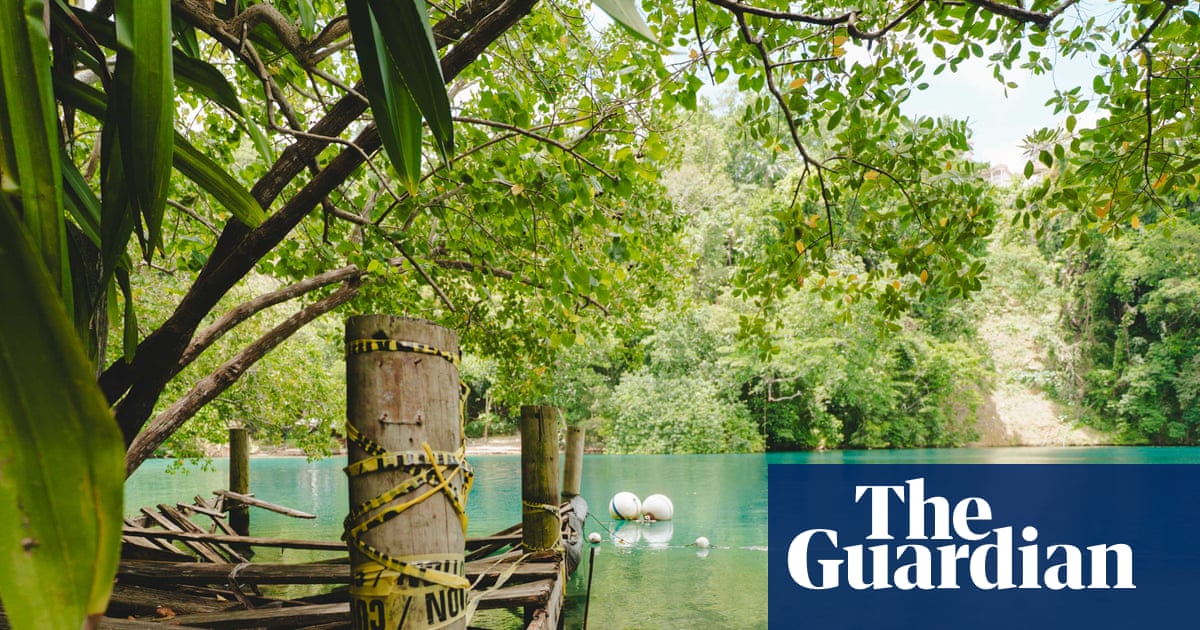
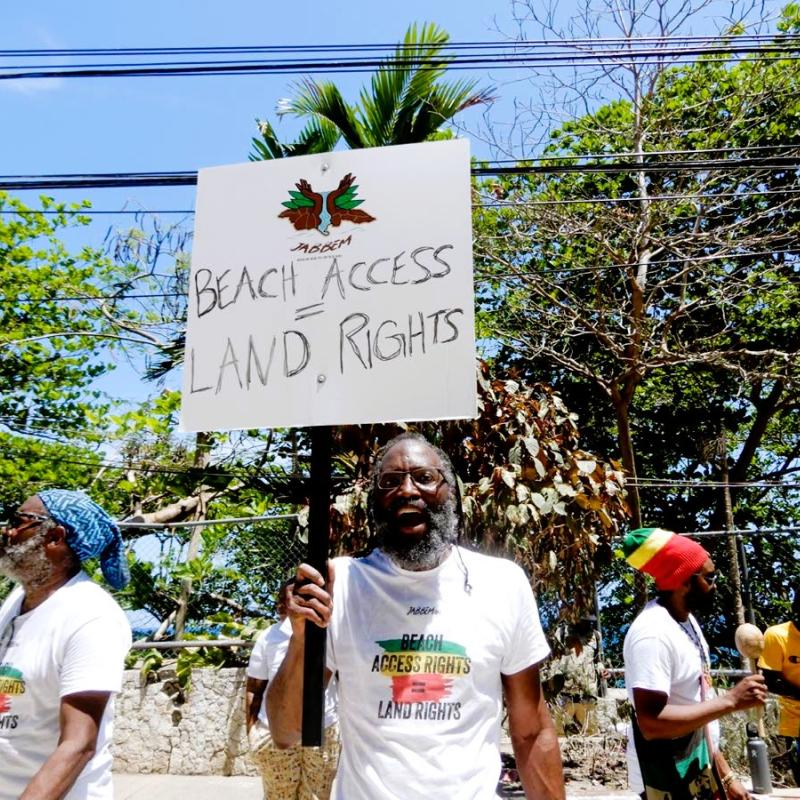
Community groups are heading to court this month to challenge the privatization of five specific Jamaican beaches: Mammee Bay and Little Dunn’s River in St Ann, the Blue Lagoon in Portland, Bob Marley beach in St Andrew, and Flankers/Providence beach in Montego Bay. The legal effort is led by the Jamaica Beach Birthright Environmental Movement (Jabbem), an organization formed in 2020 following violent clashes between residents and police at Mammee Bay, according to reporting by The Guardian.
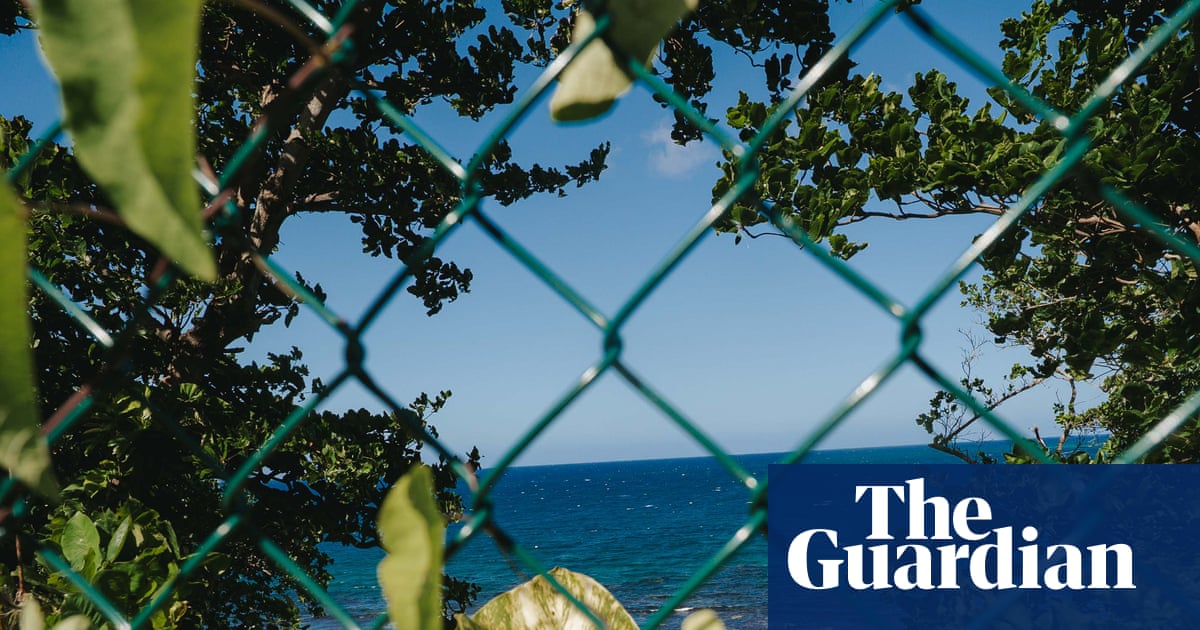
At the heart of these cases is the 1956 Beach Control Act. This colonial-era law established that the state owns the foreshore and seabed, effectively requiring government permission for any development or public use. Activists argue that successive administrations have used this law to favor large hotel chains and private investors, creating what they describe as “plantation tourism.”
“In protest, the community ripped down the fence and reoccupied the beach, but because of the restrictions on movement in Covid, you could not be there at certain times, and when they came back they met concrete walls,” Devon Taylor, founder of Jabbem, via The Guardian.
Economic Stakes and the “Plantation Tourism” Model
LIVE: Jamaica’s Legal Battle for Reparations – Petition to King Charles III” -WhatsApp +447927521158
The conflict highlights a deep divide between the government’s economic strategy and the needs of local communities. The tourism sector employs between 112,000 and 116,000 Jamaicans, with an additional 300,000 to 350,000 citizens benefiting through related industries such as craft vending, transportation, and agriculture, as noted by The Guardian.
Matthew Samuda, the minister of environment and climate change, maintains that the government is committed to ensuring natural assets benefit all citizens. He stated that recent development approvals now require investors to “carve out corridors to the sea.” However, local residents express skepticism. For many, the beach is not merely a tourist attraction but a source of food and spiritual healing.
“We call it plantation tourism because it has all the characteristics of a plantation – exploitation of a poorly treated labour force, and wealth that either does not stay in our country or is only in the hands of the elite.” Devon Taylor, via The Guardian.
In the parish of Portland, the closure of the Blue Lagoon in 2022 remains a point of contention. Local campaigners claim authorities promised to reopen the site within 90 days with improved facilities for local guides. Instead, residents allege the closure was a move to facilitate the construction of private villas, effectively barring the public from the area.
Policy Shifts and the Search for Public Rights
The government’s attempt to address these grievances culminated in the announcement of the Beach Access and Management Policy in March 2026. While the policy signals a shift toward ecosystem-based management and climate resilience, critics argue it does not go far enough to protect the public. According to the Jamaica Gleaner, the policy affirms public access in principle but stops short of enshrining it as a guaranteed right.
Analysts suggest the current system is fragmented, with responsibility for the coast spread across multiple agencies including tourism, fisheries, and physical planning. This overlap often leads to uncoordinated decision-making. Advocates are calling for a move away from the current system of discretionary licenses toward a framework that treats beaches as a “public commons.”
As the trials begin, the outcomes of these five cases could set a significant precedent for how Jamaica balances its multibillion-dollar tourism industry with the historical and social claims of its coastal communities. For residents like Roseroy Gay, who has fished the Blue Lagoon since 1979, the stakes are existential. With fishing zones restricted and traditional access points blocked, many families have been forced to rely on financial support from relatives living abroad to survive.
Rafael Moreno directs international correspondents from London to Singapore. A multilingual journalist born in Madrid, he spent 12 years covering diplomacy and conflict for Global Affairs Review. His background in political science strengthens Globally Pulse’s depth in world reporting.