
The UK Court of Appeal has ruled that the government’s proscription of the pro-Palestinian activist group Palestine Action under anti-terrorism laws was lawful, overturning a February High Court decision that had struck down the ban as disproportionate.
A five-judge panel, including Chief Justice Sue Carr, found that the ban—imposed in July 2025—did not violate free speech rights despite widespread condemnation and a civil disobedience campaign that led to over 3,000 arrests. The ruling marks a victory for the government but deepens concerns over restrictions on dissent, with activists vowing to challenge the decision further.
How the Court Justified the Ban
The Court of Appeal’s decision hinges on two key legal arguments, both of which Al Jazeera reported as central to Chief Justice Carr’s ruling. First, the court rejected the High Court’s finding that the ban was disproportionate, instead concluding that the government had struck a “fair balance” between national security and free expression. Second, it emphasized that Palestine Action’s activities—including overt promotion of “unlawful violence amounting to terrorism”—justified the ban under the Terrorism Act 2000.

Carr’s remarks explicitly addressed the group’s tactics, stating that its campaign was “intended to close down lawful businesses” and posed “future threats and risks” to public safety. The judgment also dismissed claims that the ban had a “significant impact on freedom of expression,” calling such assessments “overstated and wrong,” as The Guardian noted in its coverage.
The Legal Battle: A Timeline of Key Moments
- July 2025: The UK government proscribes Palestine Action under the Terrorism Act 2000, making membership or support an offense punishable by up to 14 years in prison.
- February 2026: The High Court rules the ban unlawful, citing disproportionate restrictions on free speech and assembly.
- April 2026: The government appeals the High Court decision, arguing the ban is necessary to prevent terrorism.
- June 15, 2026: The Court of Appeal overturns the High Court, upholding the ban as lawful.
The timeline reflects a rapid escalation in legal challenges, with the Court of Appeal’s decision coming just four months after the High Court’s ruling. The government’s swift appeal suggests a high-stakes political dimension, as the ban has become a flashpoint in debates over free speech and state surveillance. Activists, however, see the ruling as a setback in their broader fight against what they call “one of the most extreme attacks on free speech and the right to protest in modern British history,” as Palestine Action co-founder Huda Ammori stated in a response to the verdict.

What the Ruling Means for Protest and Free Speech
The Court of Appeal’s decision is likely to embolden the government’s approach to proscribing groups it deems threats to national security, even if their activities are primarily symbolic or political. Legal experts note that the ruling sets a precedent for future cases, particularly as the UK grapples with rising tensions over Palestine solidarity movements. The decision also raises questions about the balance between counterterrorism laws and civil liberties, especially in a climate where protests over foreign conflicts are increasingly politicized.
For activists, the ruling is a blow to their strategy of using civil disobedience to challenge government policies. Ammori’s vow to “fight proscription all the way” to the Supreme Court and the European Court of Human Rights signals that the legal battle is far from over. Meanwhile, the Defend Our Juries campaign, which has led efforts to lift the ban, described the verdict as evidence of the courts being “instrumentalised to suppress opposition to genocide.”
Consequences: Arrests, Charges, and the Future of Protest
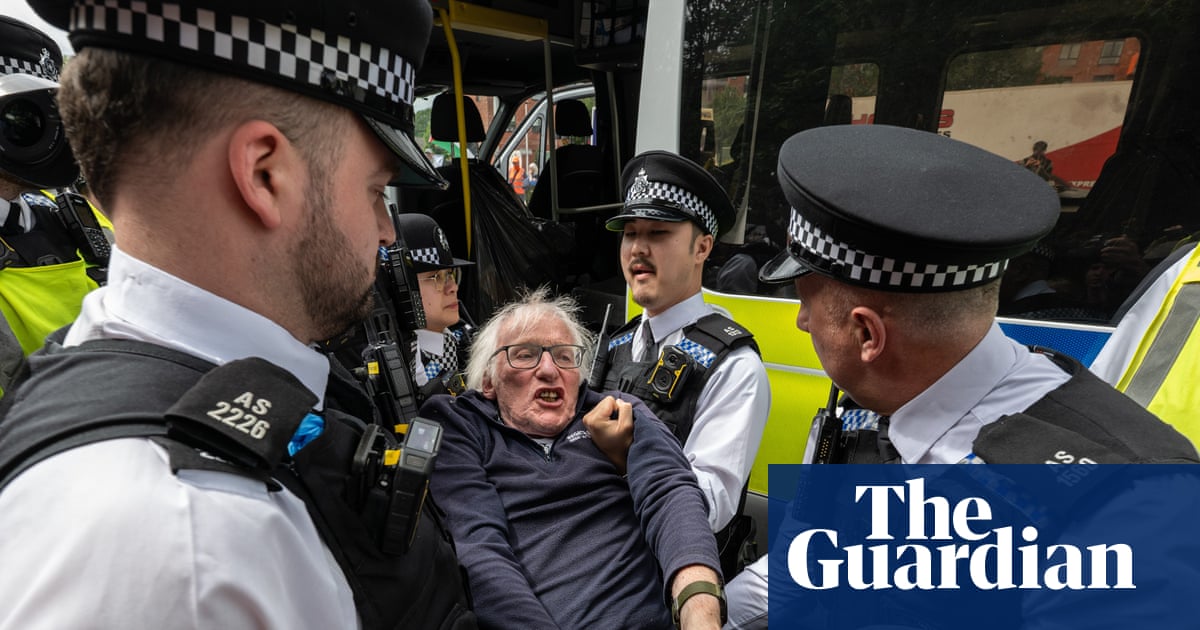
Since the ban took effect in July 2025, over 3,000 people have been arrested for supporting Palestine Action, often for holding signs or wearing clothing that referenced the group. The arrests have drawn comparisons to earlier crackdowns on protest movements, including the 2019 bans on Extinction Rebellion and Just Stop Oil. While the Court of Appeal did not address the arrests directly, its ruling effectively legitimizes the government’s enforcement of the ban, potentially leading to more prosecutions under the Terrorism Act.
Legal scholars warn that the decision could have broader implications for grassroots activism. “The court’s emphasis on ‘future threats and risks’ sets a dangerous precedent,” said one constitutional law expert, noting that it allows authorities to act preemptively against groups before violence occurs. This approach mirrors strategies used in other democracies, where counterterrorism laws have been expanded to target political dissent.
What Happens Next: Appeals and Political Fallout
Ammori’s threat to appeal to higher courts suggests that the legal fight will continue, with the Supreme Court and European Court of Human Rights as the next battlegrounds. The UK government, meanwhile, is likely to use the ruling to justify further measures against groups it deems extremist. Politically, the decision could reignite debates over free speech, particularly as the UK faces pressure from international human rights organizations to reconsider its approach to protest laws.
The ruling also raises questions about the government’s broader strategy on Palestine solidarity movements. With protests expected to intensify ahead of potential escalations in the Israel-Gaza conflict, the ban on Palestine Action may become a test case for how far the UK is willing to go to suppress dissent. For now, activists remain defiant, framing their resistance as a fight against what they see as an unjust legal system.
One thing is clear: the debate over Palestine Action’s proscription is far from settled. The Court of Appeal’s decision may have upheld the ban, but the political and legal battles over free speech in the UK are only beginning.
Find more reporting in our World section.
