
Iranian officials have vowed a “decisive and painful” response following Israeli airstrikes on Beirut’s southern suburbs on Sunday, June 7, 2026. The escalation, which hit Hezbollah-controlled areas, follows a breakdown in ceasefire negotiations and has prompted Tehran to label U.S. and Israeli assets in the region as legitimate military targets.
Tehran’s Response to Beirut Airstrikes
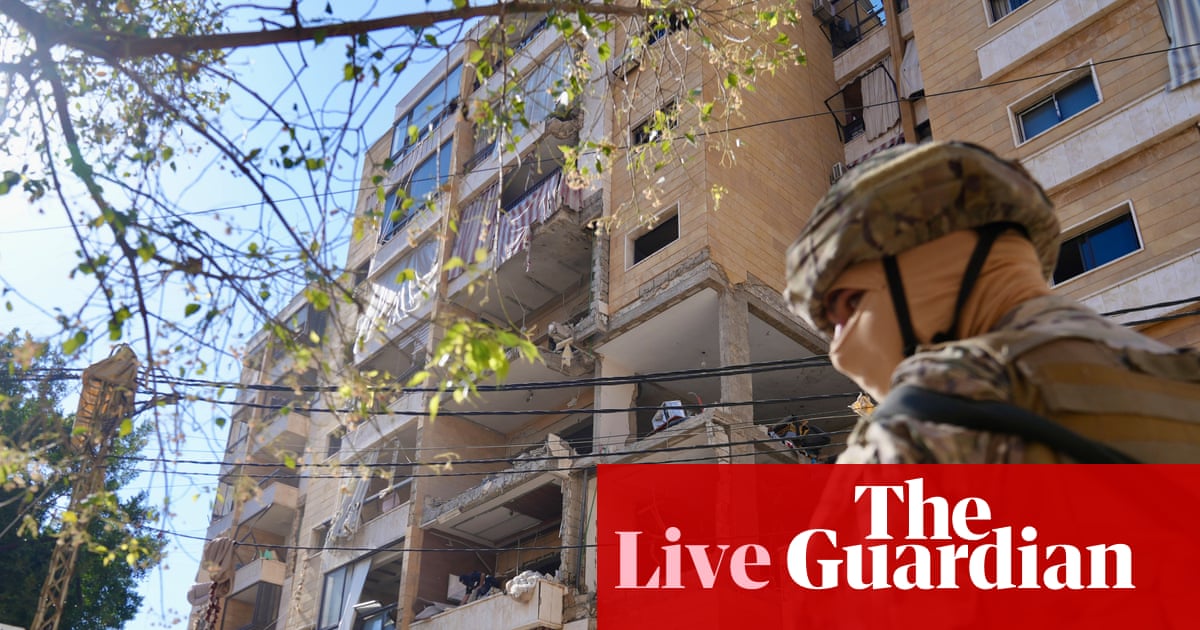
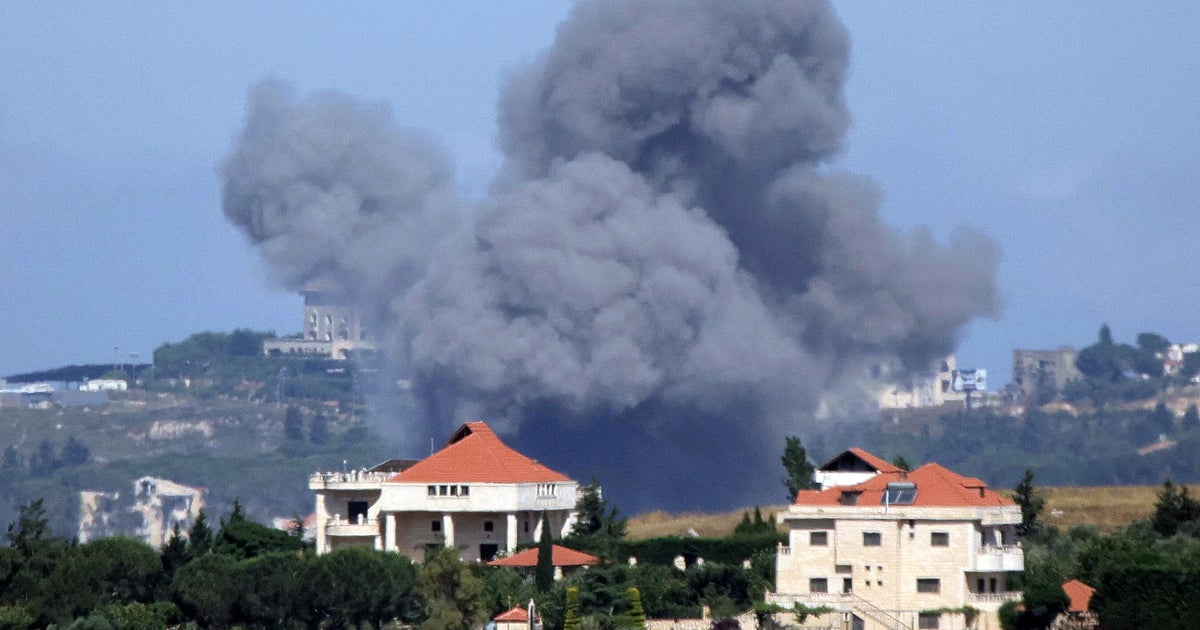
The latest flare-up centers on strikes in the Dahiyeh district of Beirut, which the Israeli prime minister’s office described as a targeted operation against “terrorist headquarters” in response to earlier rocket fire. According to reporting from The Guardian, the incident resulted in at least two deaths and 11 injuries, triggering a mass exodus of residents from the southern suburbs. Lebanese civil defense teams reported that the strikes occurred shortly after 4:00 p.m. local time, hitting a multi-story residential building suspected of housing command infrastructure for Hezbollah’s Unit 127.
Ebrahim Rezaei, spokesperson for the Iranian parliament’s foreign policy and national security committee, issued a stark warning via social media, telling observers to “watch the sky of the occupied territories tonight.” The rhetoric marks a significant hardening of Iran’s position following the collapse of recent ceasefire proposals that had been under discussion by the Lebanese government and Israel. The Lebanese caretaker Prime Minister, Najib Mikati, condemned the strikes as a “flagrant violation of sovereignty,” while the Israeli Defense Forces (IDF) released aerial footage of the targeted site, claiming the building was used to coordinate drone sorties launched into northern Israel earlier that morning.
The Collapse of the April Ceasefire
The stability of the region has been further undermined by a series of direct confrontations between U.S. and Iranian forces. While U.S. defense officials maintain that active negotiations are underway, the reality on the ground suggests a fraying agreement. CBS News reports that the U.S. military recently struck Iranian coastal surveillance radar sites in Goruk and on Qeshm Island after intercepting Iranian drones and missiles aimed at Bahrain and Kuwait. Pentagon spokesperson Major General Patrick Ryder confirmed in a press briefing on June 6 that U.S. Central Command (CENTCOM) utilized B-2 Spirit bombers to “degrade the capability of Iranian proxies to target maritime shipping.”
The Iranian Foreign Ministry characterized these U.S. strikes as a “clear violation of the 8 April ceasefire” and an act of “military aggression.” Iran has consistently framed its own actions as “self-defense,” a rhetorical justification that mirrors the terminology utilized by the Trump administration in its own military engagements. The Institute for the Study of War documented these exchanges as part of a broader, volatile stalemate that has persisted throughout the most recent quarter. Court filings in the U.S. District Court for the District of Columbia reveal that the administration is currently facing legal challenges from maritime insurance groups seeking clarity on the “war risk” status of tankers navigating the Strait of Hormuz, following the sinking of a Marshall Islands-flagged vessel on June 4.
Regional Economic and Military Stakes
The conflict is increasingly spilling into the economic sphere, with global supply chains feeling the pressure. The Guardian detailed that the Organization of the Petroleum Exporting Countries (OPEC) has agreed to a fourth increase in oil output targets to stabilize a market reeling from the disruption of flows through the Strait of Hormuz. This supply crisis has been compounded by the United Arab Emirates’ recent departure from the organization, a move announced by the UAE Ministry of Energy on June 5, citing a “divergence in strategic interests regarding regional security.”
Tensions over assets have also reached a boiling point. The Iranian mission to the United Nations issued a formal communiqué on June 7, asserting that “Iran’s assets were neither war spoils for Washington nor a payment fund for its allies.” This statement followed reports from the U.S. Treasury Department that approximately $4 billion in previously unfrozen Iranian funds held in escrow accounts were being “re-evaluated” in light of recent missile attacks on U.S. naval assets in the Persian Gulf. International maritime security analysts at Dryad Global noted that insurance premiums for commercial vessels in the region have surged by 45% since the June 6 strikes on the radar installations.
Diplomatic Impasse and Escalation
The strategic outlook remains grim as both sides signal a move away from diplomacy toward direct confrontation. Mohammad Bagher Ghalibaf, the speaker of Iran’s parliament and a lead negotiator, has declared that U.S. bases and Israeli assets are now “legitimate targets,” citing the U.S. naval blockade and the escalation in Lebanon as proof that the opposing side understands only the “language of power.” In a televised address from Tehran, Ghalibaf stated that the parliament had authorized the Islamic Revolutionary Guard Corps (IRGC) to expand its “defensive perimeter” to include any regional port facilitating U.S. military logistics.
With U.S. President Donald Trump indicating in a recent interview that he is “very close to a deal” while simultaneously threatening to “blow the hell out of them” if an agreement is not reached, the window for a de-escalation appears narrow. White House Press Secretary Karoline Leavitt clarified on June 7 that the President’s remarks were intended to serve as a “final warning” regarding the safety of American personnel stationed in Qatar and the UAE. For the residents of Beirut and the broader Middle East, the immediate future hinges on whether the threatened “decisive and painful” response from Tehran triggers a wider regional conflict or remains a contained act of retaliation. Regional monitors are currently tracking increased activity at the Imam Ali airbase, with satellite imagery from Maxar Technologies showing the movement of mobile ballistic missile launchers as of 2:00 a.m. local time.
