
Chronic Air Leaks in the Zvezda Service Module

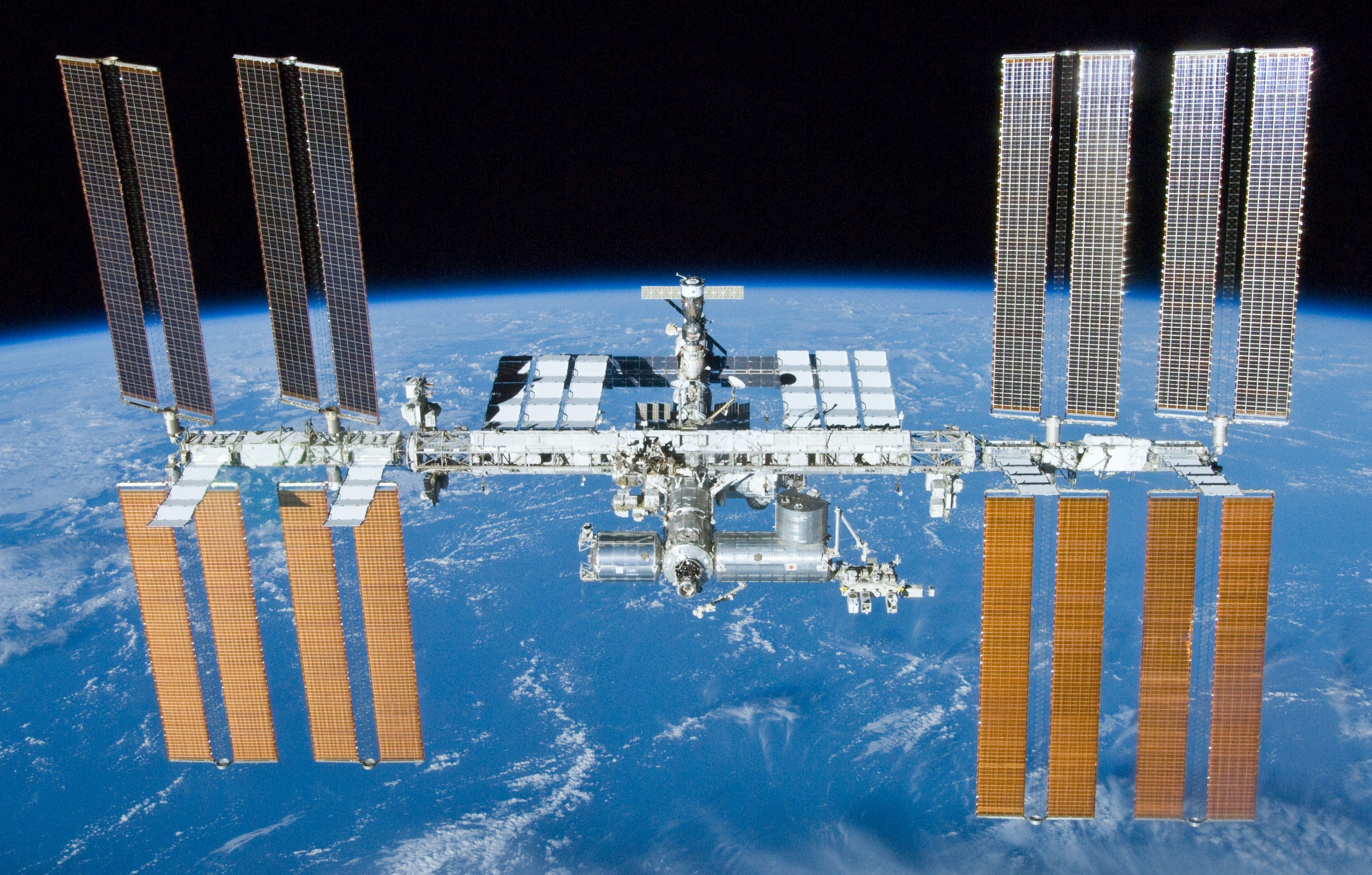
The International Space Station (ISS) has experienced chronic air leaks for several years, with engineers first identifying the issue in 2019. These leaks are primarily located in a transfer tunnel known as the PrK, a vestibule attached to the aft end of the Zvezda service module. According to reports, the station currently loses approximately one pound of air per day.
While these leaks have historically been managed through periodic small fixes, the situation escalated on Friday morning. NASA spokesperson Bethany Stevens confirmed that the agency instructed five crew members to assume an elevated safety posture. The astronauts involved included the four members of the Crew-12 mission—NASA astronauts Jessica Meir and Jack Hathaway, European Space Agency astronaut Sophie Adenot, and Roscosmos cosmonaut Andrey Fedyaev—along with NASA astronaut Christopher Williams.
Emergency Lifeboat Protocols and Russian Repair Efforts
As part of the emergency protocol, the crew was instructed to enter the SpaceX-built Crew Dragon spacecraft and don their spacesuits. This procedure is a standard safety measure, as NASA astronauts are trained to use the Dragon as a “lifeboat” for a rapid return to Earth if the station’s integrity is compromised.
The repair efforts were led by Roscosmos, the Russian space agency. Two other cosmonauts, Sergey Kud-Sverchkov and Sergei Mikayev, remained outside the Dragon spacecraft to address the leak. According to reports, the team had planned to use a saw to access the specific area of the crack, an operation described as carrying a higher risk than previous maintenance activities.
The status of the crew remained stable throughout the event. In a statement released in Russian, Roscosmos officials noted that there was no immediate threat to the crew’s safety or the station’s onboard systems, confirming that pressure levels remained at nominal levels.
De-escalation and Resumption of Station Tasks
Roughly two hours after the initial evacuation order, NASA mission control reversed the directive. The decision followed a pause in the repair operations by Roscosmos to allow for additional data collection and measurement.
> Given this development, NASA has instructed the crew members inside the Dragon spacecraft to end the safe haven procedures and return to planned operations aboard the International Space Station.Bethany Stevens, NASA spokesperson
While the astronauts have returned to their regular duties, the long-term resolution for the Zvezda module remains under review. NASA and Roscosmos, the two primary operators of the station, have engaged in months of debate regarding the underlying cause of the cracks and the most effective way to implement a permanent fix.
Long-term Integrity of the Aging Orbital Laboratory
The incident serves as a reminder of the aging infrastructure aboard the orbital laboratory. NASA continues to monitor the leak rates closely, and further repair operations are expected as agencies analyze the data collected during Friday’s intervention. For now, the crew remains on board and the ISS continues to function under its standard operational parameters.
