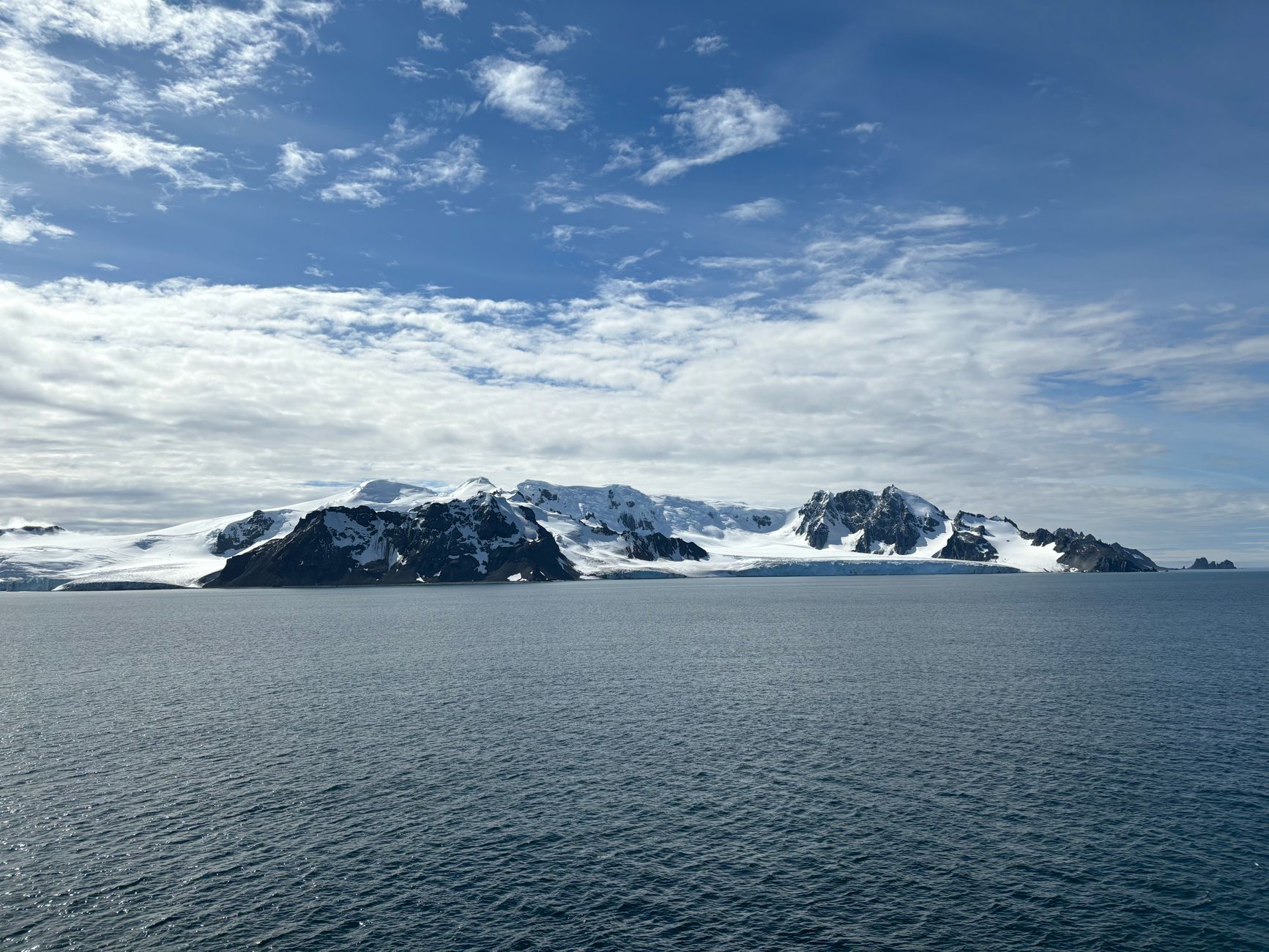
On 5 February 2012, Russian drillers at Vostok Station pierced the final ice layer above Lake Vostok, a subglacial lake the size of Lake Ontario that had been isolated from sunlight for 15 million years. The encounter revealed microbial traces adapted to perpetual darkness, sparking scientific debate about life’s resilience in extreme environments, according to Spacedaily.com.
The Discovery of Lake Vostok
First suspected in the 1960s by Soviet pilots who noticed an unusual flat ice patch, Lake Vostok was confirmed in 1996 through radar and satellite data. Spanning 12,500 square kilometers, it lies beneath the East Antarctic Ice Sheet, its liquid state maintained by geothermal heat and ice pressure. The lake’s isolation dates to around 15 million years ago, when Antarctica’s ice sheet formed, cutting it off from the atmosphere. This makes it older than the human lineage, as noted in the Spacedaily.com report.

The 2012 Drilling Milestone
The Russian Antarctic Expedition began drilling in 1989, but paused in 1998 to address contamination risks. The final 100 meters of drilling, completed in 2012, triggered a geyser of lake water that froze in the borehole. Samples from this frozen plug contained DNA fragments, suggesting microbial life evolved in complete darkness. The drilling fluid—kerosene and freon—posed a contamination threat, though Russian scientists claimed their methods minimized ecological impact, as detailed in the Spacedaily.com article.
Scientific Implications
Scientists debate the significance of the findings. Some argue the DNA traces could indicate dormant microbes, while others see them as evidence of active, extremophile life. The lake’s ecosystem, devoid of sunlight and nutrients, challenges assumptions about where life can thrive. Similar subglacial lakes, like Lake Ellsworth, have been studied for comparison, though none match Vostok’s scale. The discovery has implications for astrobiology, offering a model for potential life in icy moons like Europa, as noted in the Spacedaily.com report.
What Comes Next
Further exploration of Lake Vostok remains contentious. Environmental groups warn of ecological risks, while researchers advocate for non-invasive studies. Future missions may use sterile drills or robotic probes to analyze the lake without contamination. The 2012 breakthrough, though incomplete, has already reshaped understanding of Earth’s hidden ecosystems. As the Spacedaily.com article concludes, Vostok’s secrets continue to challenge and inspire.
Find more reporting in our Technology section.
