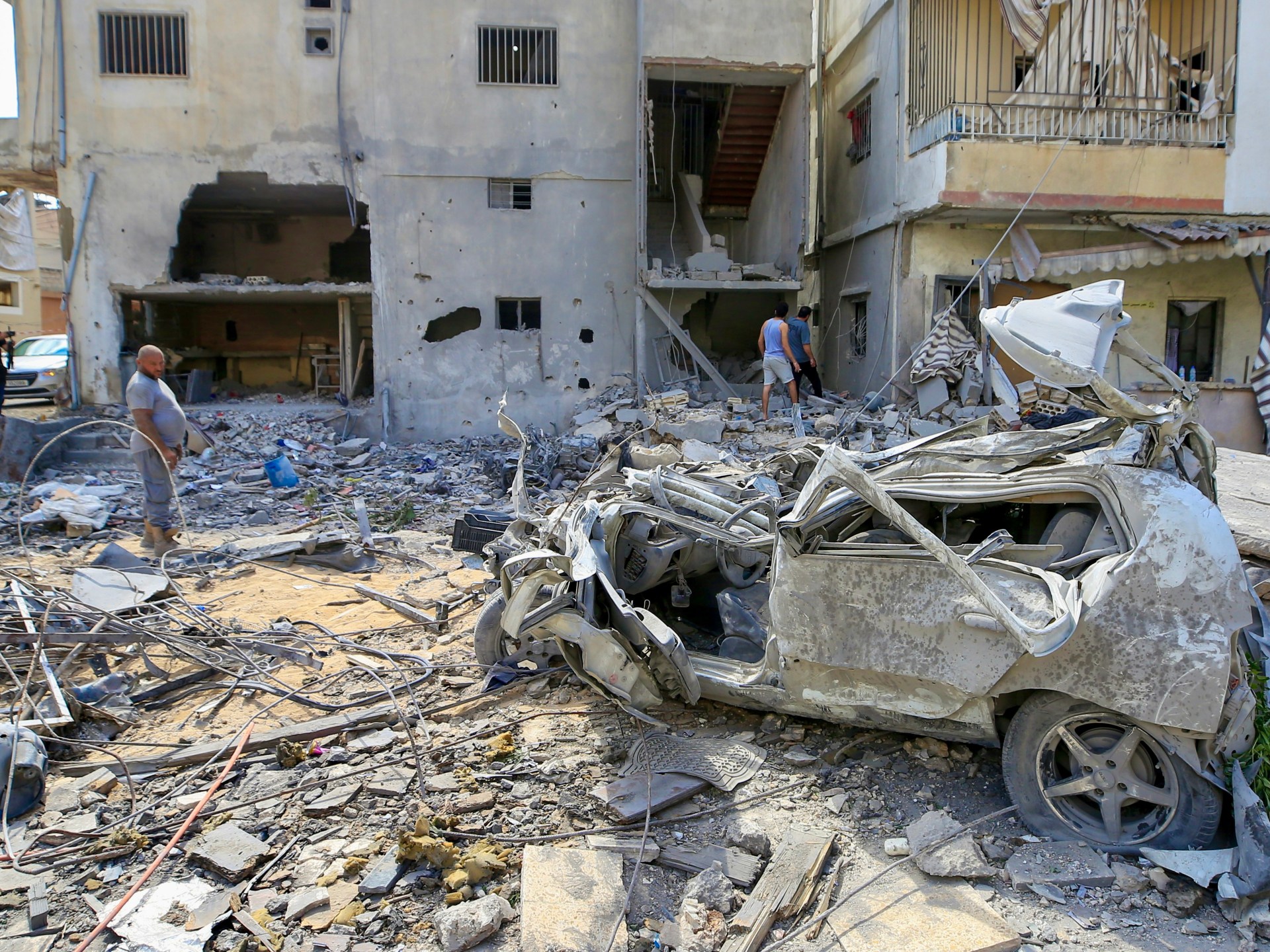
Lebanon’s death toll from Israeli strikes has surged past 3,200 since March, with 31 civilians killed Tuesday alone in a new wave of attacks targeting Hezbollah positions—but the escalation risks dragging the region into a wider war that neither side can afford to lose.
Civilian Casualties and the Humanitarian Crisis in Lebanon
Lebanon’s Health Ministry reported 3,213 fatalities and 9,737 injuries since Israel’s military campaign against Hezbollah resumed on March 2, marking a grim milestone in a conflict that has already reshaped the Middle East’s security calculus. The latest spike—31 deaths in a single day—underscores how quickly the situation is deteriorating, with Israeli airstrikes targeting southern Lebanon now claiming lives at an accelerating rate. While the ministry’s figures are the most comprehensive, they also reflect a deliberate strategy by both sides to avoid international scrutiny: Hezbollah’s attacks on Israeli civilians remain uncounted in these reports, creating a lopsided narrative where only Lebanese civilian casualties are systematically documented.

The disparity isn’t accidental. Israel’s stated goal—disrupting Hezbollah’s military infrastructure—has instead triggered a humanitarian catastrophe. Hospitals, already strained by Lebanon’s pre-existing economic collapse, are now overwhelmed by the influx of wounded. The ministry’s numbers, though grim, may also be an undercount: earlier reports from April indicated 108 rescue workers killed and 163 attacks on medical teams, suggesting that the true scale of the crisis could be far worse than the latest figures suggest. The lack of independent verification—due to restricted access for journalists and aid workers—means these numbers should be treated as a floor, not a ceiling.
Indiscriminate Strikes and the Shift Toward Lebanese Population Centers
The victims are overwhelmingly civilians. Among the 3,213 dead, the breakdown—292 women and 211 children—paints a picture of a conflict that has become increasingly indiscriminate. Unlike past rounds of fighting, where casualties were concentrated along the border, this escalation has pushed the war deeper into Lebanese population centers. The ministry’s data shows that strikes on residential areas now account for nearly 40% of the total deaths, a shift that Hezbollah has exploited to rally domestic support while Israel struggles to justify collateral damage in a war it framed as defensive.

The timing of this surge is also significant. With regional powers like Iran and Saudi Arabia watching closely, both sides appear to be testing the other’s red lines. Israel’s recent strikes—targeting Hezbollah command centers, weapons depots, and what officials describe as "terrorist infrastructure"—have drawn sharp criticism from Tehran, which accused the U.S. of violating a fragile ceasefire framework. The irony? Iran’s own proxies in Lebanon are the ones pushing the conflict toward a broader regional war, one that could drag in Iran directly if Israel’s campaign expands.
Iran’s Role and the Risk of Direct Military Involvement
The risk of escalation isn’t hypothetical. Hezbollah’s cross-border attacks on Israeli civilians—though not quantified in Lebanese government reports—have already forced Israel into a dilemma: either escalate further to degrade Hezbollah’s capabilities or risk appearing weak in the eyes of its own public. The latter is politically toxic; the former risks drawing Iran into the fight, either through direct military intervention or by arming Hezbollah with longer-range missiles capable of striking Tel Aviv.
Iran’s role is the wild card. While Tehran has not yet committed troops, its supply of advanced weapons to Hezbollah—including drones and precision-guided missiles—has already transformed the group into a formidable non-state actor. The latest Israeli strikes, which the ministry says have killed 31 people in a single day, may be an attempt to preemptively cripple Hezbollah’s ability to strike deeper into Israel. But without a clear exit strategy, the operation risks becoming a quagmire.
The U.S. is caught in the middle. While Washington has publicly supported Israel’s right to self-defense, private channels suggest frustration with Israel’s inability to contain the conflict. The Biden administration’s warning to Israel against a ground invasion of Lebanon—leaked in April—hints at a growing fear that a full-scale war could destabilize the entire region, from Syria to Iraq. For Lebanon, already teetering on the brink of state collapse, the human cost is immediate. For the U.S., the stakes are strategic: a prolonged conflict could draw Iran deeper into the fray, turning Lebanon into another proxy battleground.
Potential Outcomes: Escalation, Ceasefire, or State Collapse
-
Escalation to a Regional War
If Israel’s strikes continue at this pace—and Hezbollah retaliates with deeper incursions—the conflict could spiral into a full-scale war involving Iran. The ministry’s numbers suggest that Lebanon’s civilian population is already bearing the brunt, but the real danger lies in miscalculation. A single high-profile strike—such as an attack on a UN peacekeeping force or a major city—could trigger a direct Israeli invasion, drawing Iran into the fight.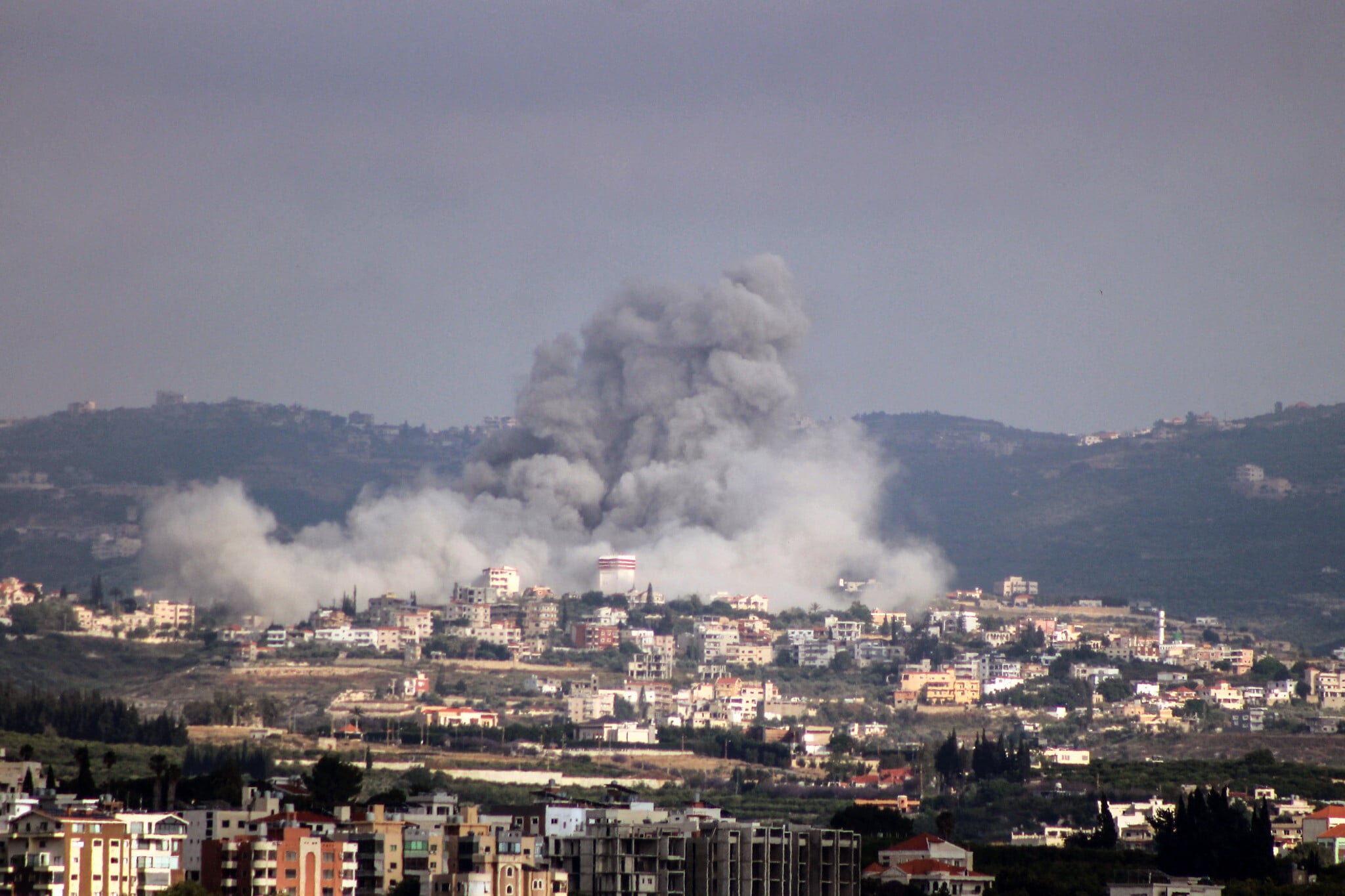
cluster (priority): The Times of Israel -
A Fragile Ceasefire, Followed by Low-Level Conflict
More likely, both sides will seek a tactical pause to regroup. The ministry’s earlier reports of 108 rescue workers killed and 163 attacks on medical teams indicate that even a temporary halt could provide some relief. But without a political solution—such as a UN-backed ceasefire—the cycle of violence will likely resume. The question is whether either side has the will to negotiate, or if both are now committed to "winning" at all costs. -
Lebanon’s Collapse as a State
The most immediate risk is domestic. With 3,213 dead and 9,737 injured, Lebanon’s healthcare system is on the verge of collapse. The ministry’s figures don’t account for the economic devastation—power cuts, fuel shortages, and a currency that has lost over 90% of its value—which is pushing more Lebanese into poverty. If the conflict drags on, the country could follow Syria’s path, becoming a failed state where Hezbollah’s military wing is the only functioning institution.
The next 30 days will be critical. If Israel can degrade Hezbollah’s capabilities without triggering a wider war, the conflict may stabilize—but at a horrific human cost. If not, Lebanon could become the next flashpoint in a region already on the brink. One thing is certain: the numbers keep climbing, and with them, the risk of no return.
