
A 3,500-worker strike by the Long Island Rail Road (LIRR) shut down America’s busiest commuter rail system on Monday, May 18, 2026, disrupting 250,000 daily riders as negotiators returned to the bargaining table with no resolution in sight.
Strike Forces MTA to Ramp Up Contingency Plans as Commuters Face Chaos
The Long Island Rail Road strike entered its third day Monday, testing the limits of the Metropolitan Transportation Authority’s (MTA) emergency response as commuters scrambled for alternatives. More than 3,500 LIRR employees—including engineers, conductors, and maintenance staff—walked off the job at midnight Saturday after contract negotiations collapsed over wage and cost-of-living demands. The strike immediately suspended service, leaving 250,000 daily riders stranded and forcing the MTA to activate a patchwork of shuttle buses, ride-sharing incentives, and subway transfers to mitigate the fallout.
By Monday afternoon, the chaos had extended beyond Penn Station in New York City, where striking union workers picketed with chants of *“No contract, no service! No contract, no peace!”*—a stark reminder of the labor impasse. The MTA’s contingency plan, which includes expanded shuttle service during peak hours, proved insufficient to absorb the surge. Commuters reported delays of up to four hours, with some opting for last-minute Uber rides or canceling work entirely.
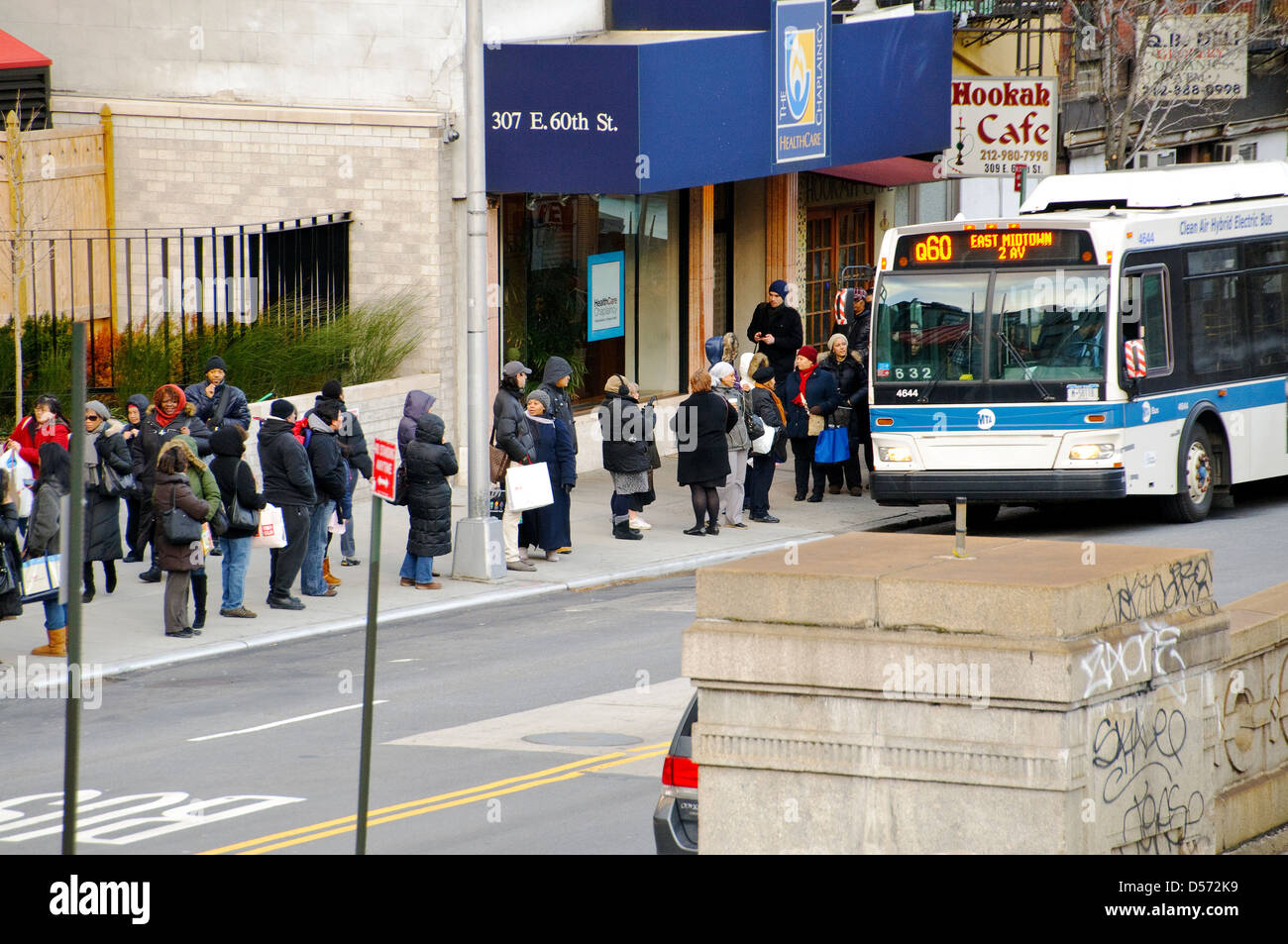
The strike’s timing—coinciding with the start of the workweek—exposed vulnerabilities in the MTA’s long-term strategy for handling labor disputes. While the agency had prepared for a potential shutdown, the scale of Monday’s commute tested even the most optimistic projections.
Union leaders dismissed the MTA’s framing as dismissive. Kevin Sexton, president of the Brotherhood of Locomotive Engineers, called the negotiations *“a pattern of take two steps forward, one step back”* after Monday’s talks ended without progress. *“Every time we think we’re close to a deal, it’s always a counter,”* Sexton said, adding that the MTA’s refusal to meet wage demands—particularly for cost-of-living adjustments—had left workers with no choice but to escalate.
Economic and Political Fallout: Who Bears the Cost?
The strike’s immediate impact extends beyond commuters. Long Island’s economy, which relies heavily on daily rail traffic for finance, healthcare, and corporate workers, faces disruptions estimated in the hundreds of millions of dollars per day. A 2024 MTA report projected that a prolonged LIRR shutdown could cost the region $1.2 billion annually in lost productivity, tourism, and business revenue. While Monday’s figures remain unofficial, early reports suggest delays have already triggered cancellations in retail, hospitality, and professional services sectors.
Politically, the strike has forced New York Governor Kathy Hochul into a delicate balancing act. In a press conference Monday, Hochul urged both sides to return to the table, framing the dispute as *“a crisis for working families.”* *“This is not about ideology—it’s about people who need to get to work and feed their families,”* she said.

The MTA’s financial strain is also a factor. The agency, which has faced repeated budget shortfalls, has resisted union demands for wage increases tied to inflation, arguing that such concessions would require deeper cuts to other services or higher fares. In its 2025 budget proposal, the MTA projected a $3.1 billion deficit without additional revenue streams, a figure that could worsen if the strike drags on. Union leaders counter that the MTA’s proposed 2.5% wage adjustment—well below the 6% cost-of-living increase demanded by workers—fails to account for rising housing and healthcare costs in the region.
For more on this story, see LIRR strike hits 3rd day, leaving 300K+ commuters stuck in hours-long delays.
Analysts warn that the strike risks setting a precedent for other transit systems. The Port Authority of New York and New Jersey, which operates the PATH train and buses, has already signaled concerns over potential spillover effects. *“If the MTA can’t resolve this, it sends a message to other unions that they can hold entire regions hostage,”* said Mark Peters, a labor economist at Fordham University.
What’s Next: Negotiations, Legal Threats, and Rider Fatigue
As of Monday evening, neither side had signaled a willingness to compromise. The MTA reiterated that *“no new demands”* were on the table, while union leaders vowed to maintain the strike until wages and benefits align with their demands. Legal threats loom: the MTA has previously invoked anti-strike laws to force arbitrations, though such measures would likely prolong the dispute rather than resolve it.
For riders, the uncertainty is palpable. The MTA’s shuttle buses, while better than nothing, have been criticized for inconsistent schedules and limited capacity. Some commuters have turned to carpool programs, though traffic congestion on Long Island’s highways has worsened. Others have begun exploring permanent relocations or remote-work arrangements, though the long-term viability of these solutions remains unclear.
Governor Hochul’s office has hinted at potential state intervention, including emergency funding or mediation, but no concrete steps have been announced. Meanwhile, the clock is ticking: the MTA’s fiscal year ends in June, and any prolonged strike could force the agency to reallocate funds from capital projects—delaying critical upgrades to LIRR infrastructure.
One thing is certain: the strike has already reshaped the daily routines of 250,000 people. For now, the question is not whether the LIRR will return to service, but how long the chaos will last—and who will ultimately bear the cost.
Key Players and Their Stakes
Metropolitan Transportation Authority (MTA):
– Position: Insists on a 2.5% wage adjustment for LIRR workers, citing budget constraints and the need to avoid fare hikes.
– Pressure Points: Faces political backlash over commuter disruptions, potential legal challenges from unions, and a looming $3.1 billion deficit in its 2025 budget.
– Contingency Measures: Expanded shuttle buses, ride-sharing subsidies, and subway transfer incentives—though these have proven insufficient for peak hours.
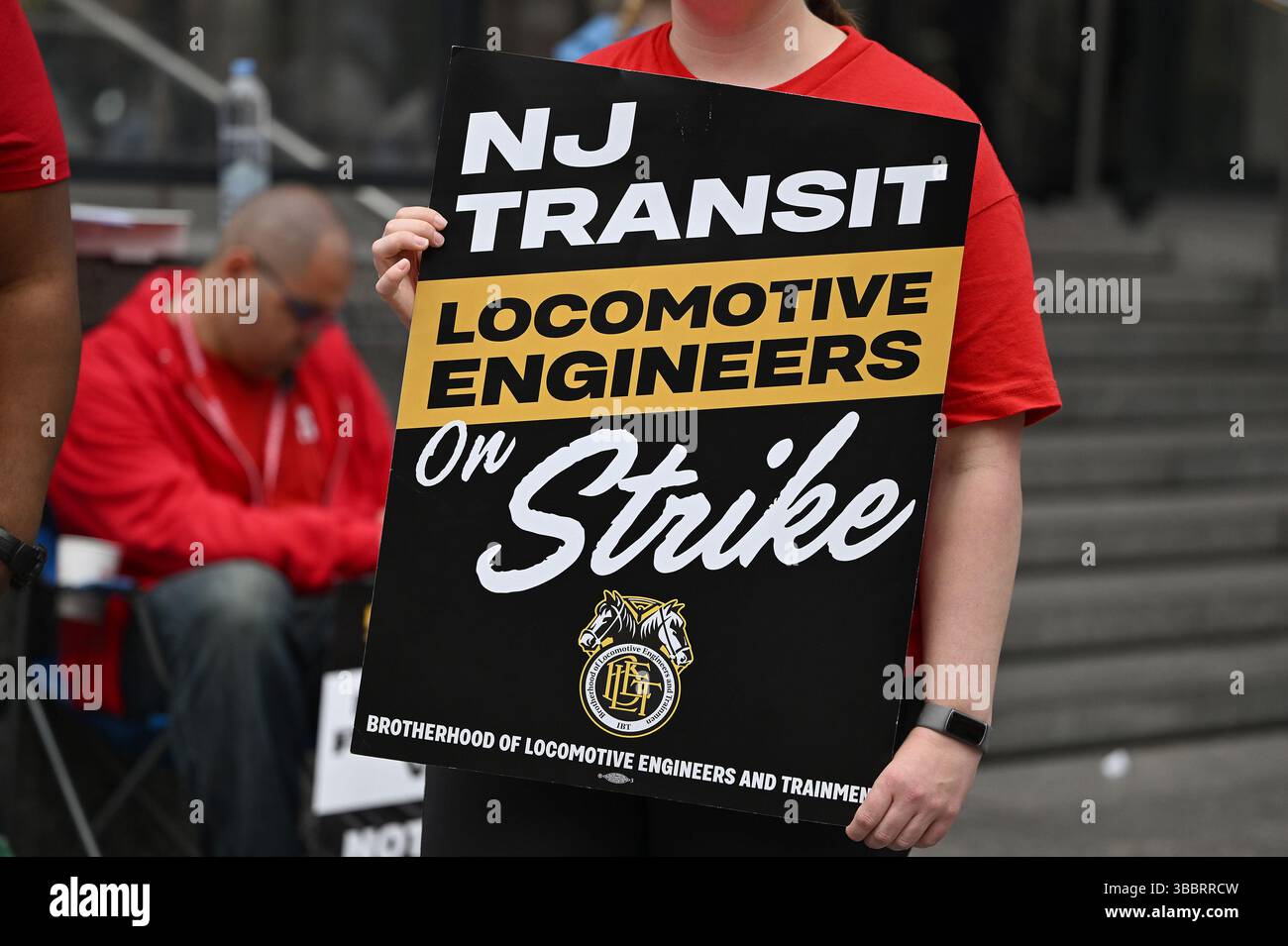
Brotherhood of Locomotive Engineers (BLET) and Allied Unions:
– Position: Demand a 6% cost-of-living adjustment, citing rising housing and healthcare costs in New York.
– Pressure Points: Members include 3,500+ striking workers, with public support growing as commuter chaos worsens.
– Tactics: Maintaining strike action, picketing at major hubs (Penn Station, Grand Central), and framing the dispute as a fight for *“economic survival.”*
New York State Government:
– Role: Governor Hochul has urged negotiations but has not yet deployed state resources. Legal options include emergency mediation or anti-strike injunctions, though both carry risks.
– Stakes: A prolonged strike could damage Hochul’s reputation ahead of the 2026 elections, particularly in Long Island and Queens, where LIRR ridership is highest.
Commuters and Businesses:
– Impact: Estimated $1.2 billion annual loss to the regional economy if the strike persists. Small businesses near transit hubs report 30-50% drops in foot traffic.
– Adaptation: Some companies have implemented mandatory remote workdays; others are exploring subsidized transit passes for employees.
The Bigger Picture: Labor, Transit, and Urban Resilience
The LIRR strike is more than a local labor dispute—it’s a stress test for America’s aging transit infrastructure and the political will to sustain it. The MTA, which operates the LIRR, subway, and buses, has been plagued by underfunding, deferred maintenance, and labor tensions for years.
- A $40 billion backlog in infrastructure repairs across its systems.
- Rising operational costs, including energy expenses (up 18% since 2024 due to grid pricing).
- Competing priorities between capital projects (e.g., East Side Access completion) and day-to-day service.
Union leaders argue that the strike is inevitable given the MTA’s refusal to address wage stagnation. *“Workers haven’t seen a real raise in over a decade,”* said Sexton of the BLET.
Yet the MTA’s dilemma is equally stark: without additional funding from the state or federal government, any wage concessions would require service cuts or fare increases—both politically toxic options. The agency’s 2025 budget assumes no new revenue, leaving little room for negotiation.
For now, the strike has exposed the fragility of New York’s transit-dependent economy. While the MTA and unions trade blame, commuters and businesses are left to absorb the fallout. The question remains: Will this crisis force a reckoning with transit funding, or will it become just another chapter in the MTA’s cycle of labor disputes and half-measures?
—
Sources: NBC News, New York Times live updates, MTA press briefings, Brotherhood of Locomotive Engineers statements, Governor Hochul’s May 18 press conference.
