
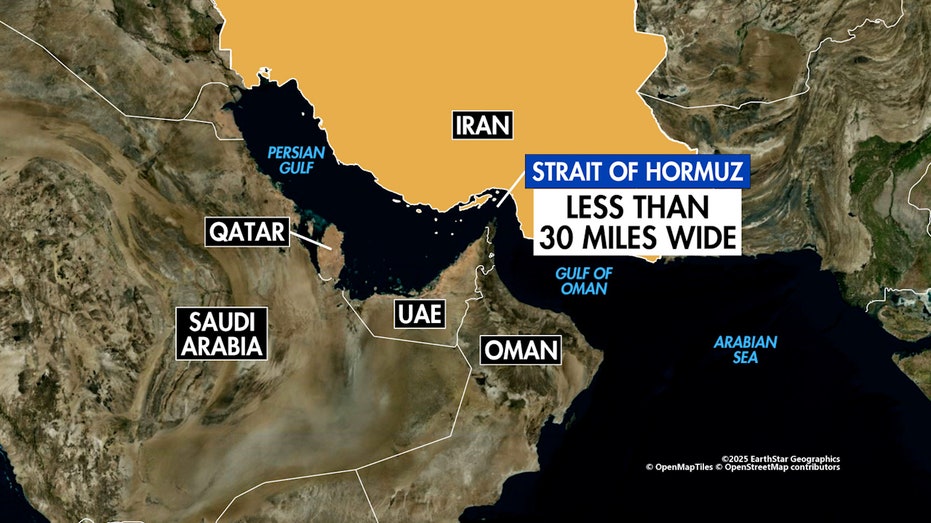
Ships are returning to the Strait of Hormuz at a cautious pace after a 60-day interim deal between Iran and the U.S. eased tensions, but the waterway’s future remains uncertain. As of Tuesday, June 23, 2026, maritime traffic has climbed from single-digit crossings during the height of the war to an average of 23 vessels per day—still less than half the prewar daily average of 130. The deal’s success hinges on whether Iran’s new Persian Gulf Strait Authority will enforce tolls, a move that could destabilize global trade and trigger U.S. retaliation.
The Deal That Isn’t Guaranteed: Iran’s 60-Day Toll Waiver
Iran and the U.S. agreed to a provisional framework on June 16, 2026, allowing free transit through the Strait of Hormuz for 60 days while negotiations continue. The memorandum of understanding—signed by Iran’s parliament speaker, Mohammad Bagher Qalibaf, and U.S. Treasury Secretary Scott Bessent—also commits Iran to demining the strait’s main central route within 30 days and removing “technical and military obstacles” to shipping. But the agreement’s longevity is far from assured.
Bessent’s announcement of the sanctions waiver on June 20 triggered a 2.7% drop in U.S. crude prices to $74 per barrel, the first time since early March that prices fell below $75. International Brent crude also dipped to $77, though both remain above prewar levels of $62 and $68. The price relief reflects optimism about restored oil flows—but analysts warn the strait’s stability is fragile.
According to NBC News, Bessent framed the waiver as a step toward “free and open transit,” but the deal’s text leaves critical questions unanswered. Iran has not ruled out reintroducing tolls after the 60-day period, and the U.S. has signaled it may impose its own fees if Iran reneges. Former President Donald Trump hinted at such a move in a weekend statement, though no formal policy has been announced.
The toll question is the elephant in the room. Before the war, the strait was a toll-free zone, a principle enshrined in international maritime law. But in April 2026, Iran established the Persian Gulf Strait Authority—a new agency tasked with collecting fees from vessels. The U.S. responded by imposing sanctions on the authority, labeling it an attempt to “monetize” the strait’s chokehold. Now, with the 60-day waiver in place, Iran’s next move will determine whether the authority becomes permanent or fades into irrelevance.
Legal experts consulted by News4JAX warn that any toll regime would violate decades of precedent. “A tollbooth in the Strait of Hormuz would upend global trade,” one analyst said. “Ships would reroute to the Cape of Good Hope, adding weeks to voyages and spiking shipping costs.”
Traffic Is Up—but Not Enough to Signal Stability
Maritime data from Kpler, a shipping analytics firm, shows progress—but also persistent risks. Between Friday and Sunday of this week, an average of 23 vessels transited the strait, up from single digits in April. Yet this pales compared to the prewar daily average of 100 to 130 ships. The increase is real, but the method reveals deeper unease.
For more on this story, see IRAN LIFTS HORMUZ BLOCKADE, OIL FUTURES FALL.
Most ships are using Iran’s designated routes—either the northern path through Iranian waters or the southern route near Oman. But many are also disabling their transponders, a tactic Kpler describes as “concealing positions and identities.” This behavior suggests ships are still avoiding detection, a holdover from the war’s most dangerous phase when Iran threatened to attack vessels that didn’t comply with its demands.
“The key point is not that traffic stopped, but that traffic continued while using less standard, less transparent routing,” Kpler noted in a statement. The firm’s data shows a sharp drop-off on Sunday, with only 17 crossings—down from 35 on Saturday. This volatility underscores how fragile the current lull remains.
News4JAX reports that Iran’s lead negotiator, Qalibaf, assured state media that his country would manage the strait “in accordance with international maritime law.” But his words clash with Iran’s past actions. In April, Tehran demanded tolls as a precondition for reopening the strait, a move that prompted the U.S. to label it an “economic blockade.” The 60-day waiver may have bought time, but it hasn’t resolved the core conflict: Who controls the strait, and who pays for passage?
The U.S.-Iran Standoff: What Happens Next?
The next 60 days will be critical. Iran must demine the strait’s main route—a process that could take weeks—and clarify whether the Persian Gulf Strait Authority will dissolve or persist as a toll-collecting entity. The U.S., meanwhile, faces a political tightrope: any move to impose its own fees would risk escalating tensions, but allowing Iran to set precedent could embolden Tehran to demand more concessions later.
Bessent’s waiver is a tactical move, not a strategic solution. The Treasury Department framed it as a “good-faith effort” to stabilize the strait, but the absence of a long-term agreement leaves room for backsliding. If Iran reimposes tolls after July 16, the U.S. could respond with sanctions on Iranian oil exports—or even military pressure. Trump’s recent comments suggest he’s already weighing such options.
Beyond the strait, the broader Iran-Israel conflict looms. On Saturday, Iran threatened to close the strait again after Israel’s latest strikes in Lebanon. The U.S. dismissed the claim, citing continued ship traffic, but the episode highlights how quickly tensions can flare. “Almost all the power goes into Iran to determine the arrangements going forward in the future,” Philip Belcher, a Middle East analyst, told News4JAX. “This is what we really need clarity on.”
What a Toll Would Mean for Global Trade
A toll regime in the Strait of Hormuz wouldn’t just disrupt oil flows—it would reshape global shipping. The strait is the world’s most critical chokepoint, through which 20% of seaborne oil and a quarter of all liquefied natural gas pass daily. If Iran imposed fees, ships would face a choice: pay up or reroute around Africa, adding 10,000 nautical miles and 2–3 weeks to voyages.
Historically, such disruptions have had ripple effects. In 1994, during the first Gulf War, tanker rates spiked by 300% as ships avoided the strait. Today, with oil prices already volatile, any toll would send shockwaves through energy markets. The U.S. and its allies have spent years reinforcing alternative routes, but they’re not yet ready to handle a full-scale diversion.
NBC News reports that urea prices—a key fertilizer ingredient—have already fallen 50% from their April peak, signaling some relief in commodity markets. But this recovery is fragile. If Iran’s authority persists, shipping costs could surge, pushing up prices for everything from gasoline to food. The U.S. has sanctioned the authority, but sanctions alone won’t stop Iran from collecting fees if it chooses to.
The Oman Factor: A Wild Card in the Strait’s Future
Oman, which shares a border with the strait, is the wildcard in this equation. The June 16 memorandum of understanding includes Oman and six other Gulf states in discussions to “define the future administration and maritime services” of the waterway. But Oman’s role is ambiguous. While it has historically supported free transit, it has also maintained diplomatic ties with Iran.
This follows our earlier report, US Strikes Iran’s Qeshm Island After Failed Missile Attacks on Gulf Allies.
News4JAX notes that Oman’s involvement could either stabilize the strait or complicate it further. If Oman backs Iran’s authority, it may lend legitimacy to tolls. If it resists, it could force Iran to negotiate—or risk isolating itself. For now, Oman’s stance remains unclear, leaving the strait’s future in limbo.
What Comes Next: Three Scenarios
- Scenario 1: Iran Extends the Waiver – If Iran removes obstacles and demines the strait without reintroducing tolls, the strait could return to prewar levels by late 2026. Oil prices would stabilize, and shipping costs would drop. But this outcome depends on Iran’s willingness to abandon its authority permanently—a gamble.
- Scenario 2: Iran Reinstates Tolls – If Iran’s authority persists after July 16, the U.S. could impose sanctions on Iranian oil exports or even military pressure. Shipping would reroute, and global energy markets would face another shock. This scenario would escalate tensions and risk a new phase of conflict.
- Scenario 3: A Third-Party Solution – Oman or another Gulf state could broker a compromise, such as a regional authority to manage the strait without tolls. This would require Iran to cede some control—a politically difficult move for Tehran.
The next 60 days will determine which path the strait takes. For now, ships are trickling back—but the real test is whether this cautious return becomes a lasting recovery or a temporary reprieve before the next crisis.
One thing is certain: the Strait of Hormuz’s future is still being written. And the ink isn’t dry yet.
Find more reporting in our News section.
