The National Oceanic and Atmospheric Administration (NOAA) confirmed on June 11, 2026, that El Niño conditions have officially formed in the Pacific Ocean. Federal forecasters anticipate the climate pattern may reach “very strong” intensity by the upcoming winter, potentially fueling extreme global weather events that mirror record-breaking historical cycles dating back to 1950.
Forecasting a “Very Strong” Climate Event
The transition to El Niño, a natural climate cycle characterized by the warming of Pacific waters, has arrived with unusual intensity. According to USA Today, the Climate Prediction Center at NOAA currently estimates a 63% probability that this event will escalate into a “very strong” category during the winter months. Meteorologists note that while there are seven such events in the historical record, there remains a 1-in-3 chance the current cycle may not reach that peak threshold.
The warming trend is already visible in satellite data. During the first week of June, tropical Pacific water temperatures briefly hit record levels for the time of year. While temperatures have since dipped slightly, they remain above previous records, according to data from the University of Maine’s Climate Change Institute. This “extra heat” at the surface serves as the primary engine for the weather shifts expected in the coming months, as noted by Abby Frazier, a climate scientist at Clark University. The phenomenon is monitored via the Equatorial Southern Oscillation Index and satellite-based sea surface temperature measurements, which provide the real-time data necessary for the Climate Prediction Center’s monthly ENSO Diagnostic Discussion.
Global Implications and Economic Risks
The arrival of El Niño has prompted immediate warnings from international leaders regarding the potential for humanitarian and economic disruption. United Nations Secretary-General António Guterres described the development as an “urgent climate warning,” stating that the pattern will act as a catalyst for environmental instability. The World Meteorological Organization (WMO) has emphasized that El Niño typically impacts global temperatures in the year following its development, meaning that the full thermal impact of the 2026 cycle may be felt most acutely in 2027.

“The world must treat it as the urgent climate warning it is.
The economic stakes are particularly high. Marshall Burke, a climate economist at Stanford University, indicated that temperatures elevated by El Niño often correlate with a slowdown in American economic growth. Furthermore, analysts are already looking toward 2027 as a potential record-setter for global heat, driven by the lingering effects of the current Pacific warming cycle. Historically, such cycles have disrupted supply chains for key agricultural commodities, as shifts in precipitation patterns alter crop yields in major producing nations across South America, Southeast Asia, and Australia.
Regional Weather Shifts Across the United States
For the United States, the impacts of the 2026 El Niño will be uneven, offering a mix of relief and increased risk depending on the geography. Jon Gottschalck, operational branch chief at NOAA’s Climate Prediction Center, noted that while the South may experience more intense storms and heavier rainfall, the pattern generally benefits the U.S. agricultural sector. Michael Ferrari, a meteorologist and head of research at Moby, added that conditions for grains and soybeans appear favorable across 18 major growing states, though the outlook for cattle and dairy remains mixed.
| Region | Expected Impact |
|---|---|
| Southern U.S. | Increased rainfall and storm intensity |
| Atlantic Coast | Potential reduction in hurricane activity |
| Pacific Northwest | Warmer and drier winter conditions |
| Northern Rockies | Possible relief from ongoing snow drought |
A notable benefit for many Americans may be financial, as a milder winter could lead to lower heating bills. Additionally, the tendency of El Niño to dampen Atlantic hurricane activity provides a seasonal reprieve for the U.S. East and Gulf coasts, even as islands in the Pacific face heightened danger. This atmospheric “teleconnection”—where changes in the Pacific influence weather patterns thousands of miles away—is a cornerstone of modern long-range forecasting used by the National Weather Service.
Historical Context and Scientific Uncertainty
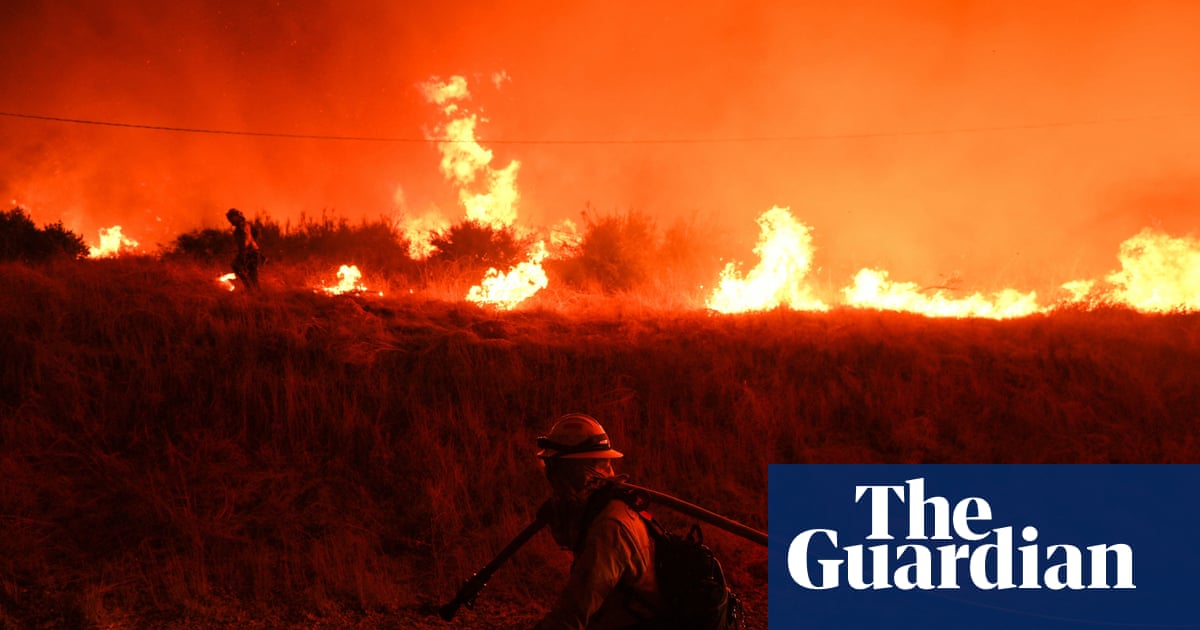
Scientists are comparing the current trajectory to the major 1997 El Niño event, which triggered significant damage globally through droughts, wildfires, and floods. While researchers like Michelle L’Heureux of the Climate Prediction Center emphasize that this event has a “decent chance” of rivaling the largest events in the record dating back to 1950, they caution that climate modeling involves inherent variables. The complexity of the ocean-atmosphere coupling means that even with high-resolution modeling, the precise intensity of the peak remains subject to change as the season progresses.
The phenomenon, formally known as the El Niño–Southern Oscillation (ENSO), has been observed for centuries, famously identified by South American fishermen in the 1600s. While there is no definitive consensus that climate change increases the frequency of these events, the World Meteorological Organization has noted that the current warming of the planet can significantly amplify the downstream impacts, potentially devastating communities that are unprepared for rapid shifts in weather patterns. As the Pacific continues to warm, agencies like NOAA will continue to issue weekly updates to refine localized expectations for the upcoming winter season.
Find more reporting in our News section.
