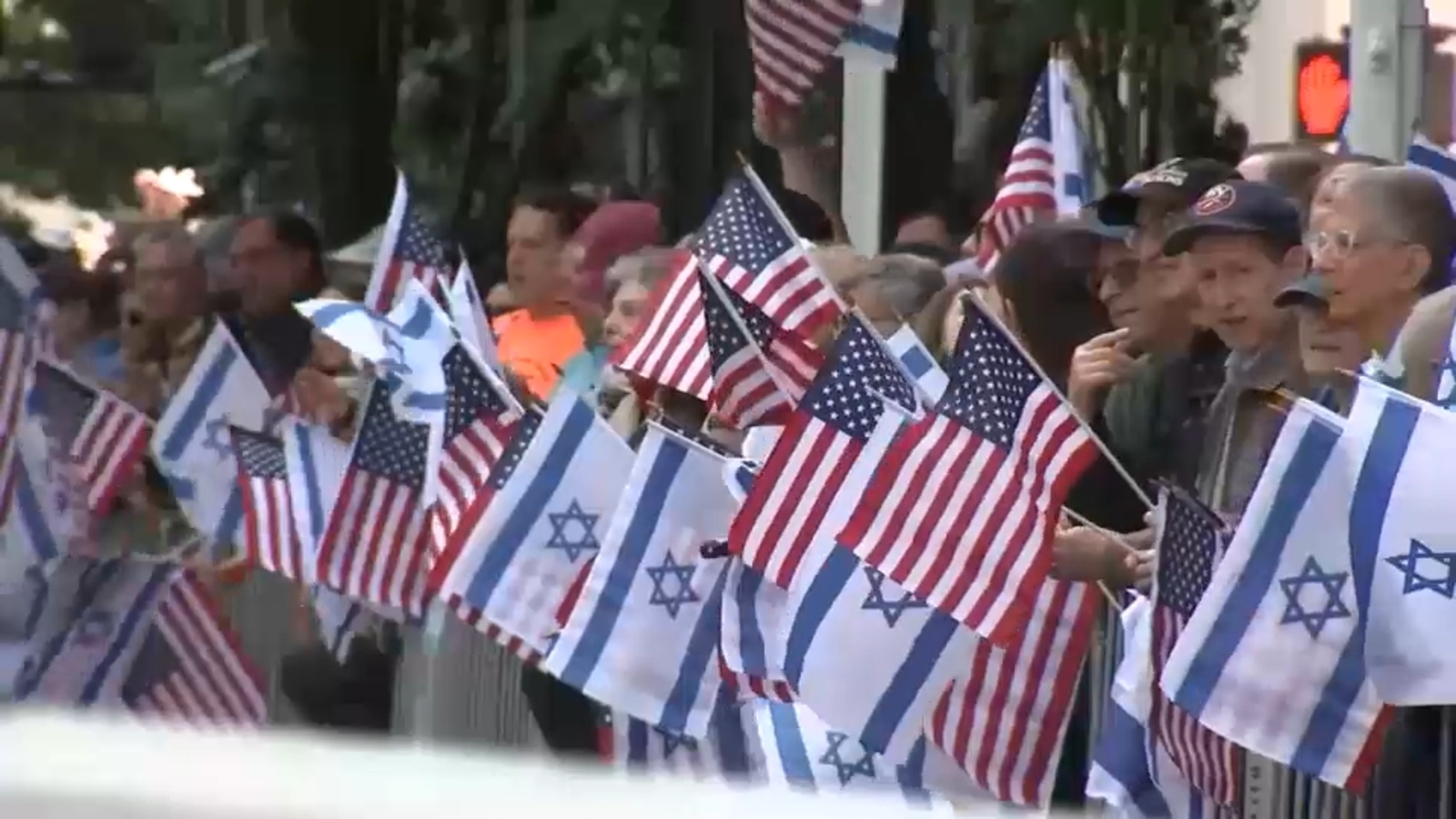
New York City Mayor Zohran Mamdani skipped the annual Israel Day Parade on Fifth Avenue on Sunday, May 31, 2026—the first time a mayor has boycotted the event since it began in 1965. His absence, framed as a protest against Israeli government policies, immediately became a flashpoint in a city already divided over the war in Gaza and rising antisemitism. While the parade drew over 50,000 marchers and heavy NYPD security, Mamdani’s decision to stay away—while promising “seamless and peaceful” conditions—sparked sharp reactions from Jewish leaders, who accused him of undermining community solidarity.
The Mayor’s Boycott and Its Immediate Aftermath
The Israel Day Parade, now in its 62nd year, has long been a political and cultural cornerstone for New York’s Jewish community. Since its inception in 1965, every mayor—Republican or Democrat—has participated, often using the event to signal support for Israel and its allies. But Mamdani, who took office in January 2026 after a progressive primary victory, made his stance clear two weeks before the parade: he would not attend.
In a news conference on May 17, Mamdani cited his opposition to the Israeli government’s policies, particularly its handling of the Gaza conflict. “I said on the campaign trail that I wouldn’t be attending the parade,” he stated, “and I’ve made my views on the Israeli government abundantly clear.” His decision came days after his office released a video commemorating the Nakba—the Arabic term for the displacement of Palestinians during Israel’s 1948 founding—a move critics called a deliberate provocation.
The video, which featured a Palestinian woman displaced at age nine describing her longing for “the soft hills of Palestine,” drew immediate backlash. Rabbi Marc Schneier, president of the Foundation for Ethnic Understanding, called it “propaganda” and accused Mamdani of erasing Jewish suffering during the same period. “Do us a favor, stay home,” Schneier told reporters. “We don’t need you. We don’t want you.”
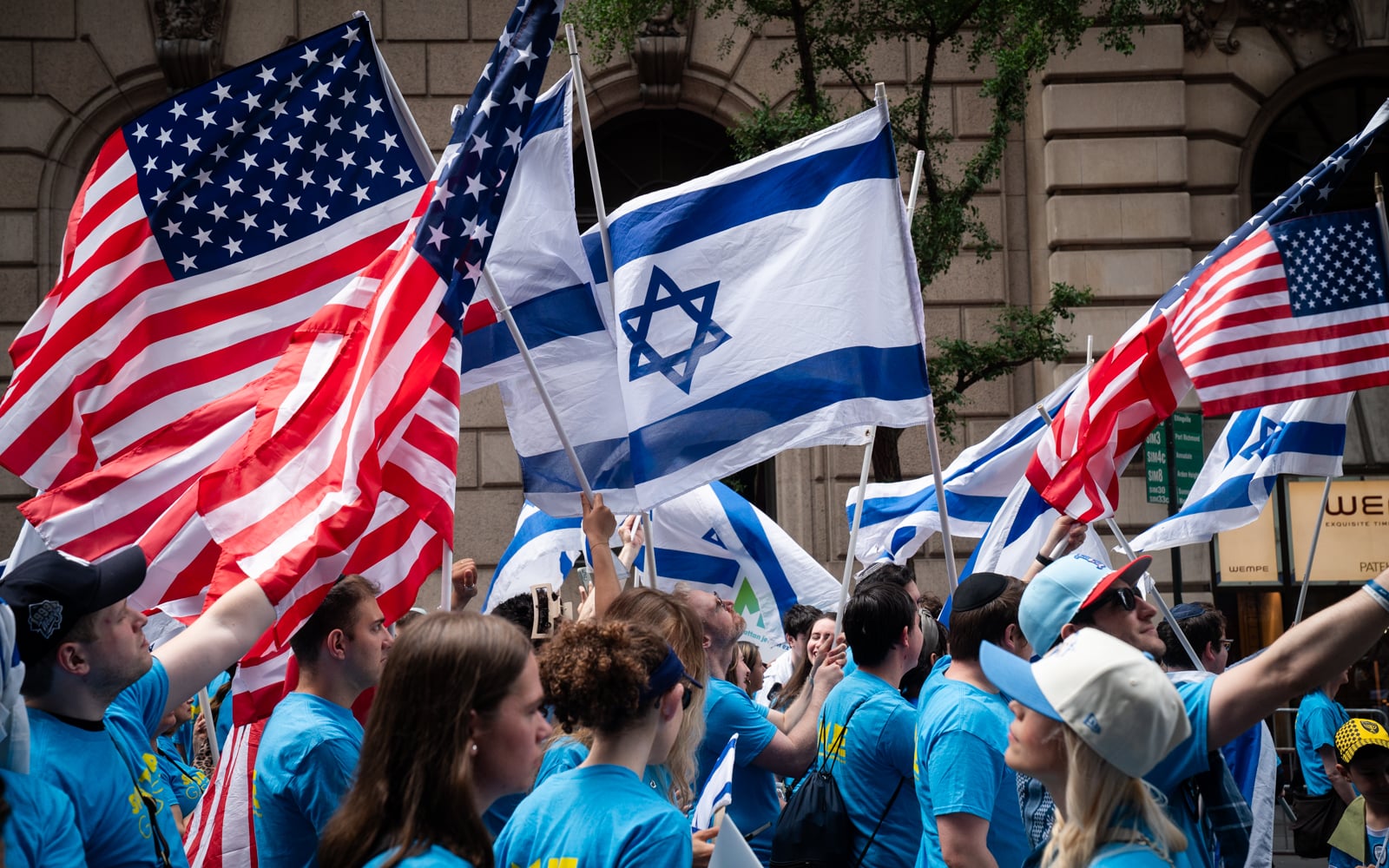
Mamdani’s absence was particularly striking given the parade’s symbolic weight. This year’s theme, “Proud Americans, Proud Zionists,” reflected the event’s dual identity as both a Jewish cultural celebration and a political rallying point. Governor Kathy Hochul, Senator Chuck Schumer, and other state leaders marched alongside tens of thousands of participants, underscoring the parade’s enduring role as a unifying force for New York’s Jewish community.
Security Measures and Controversial Israeli Delegation
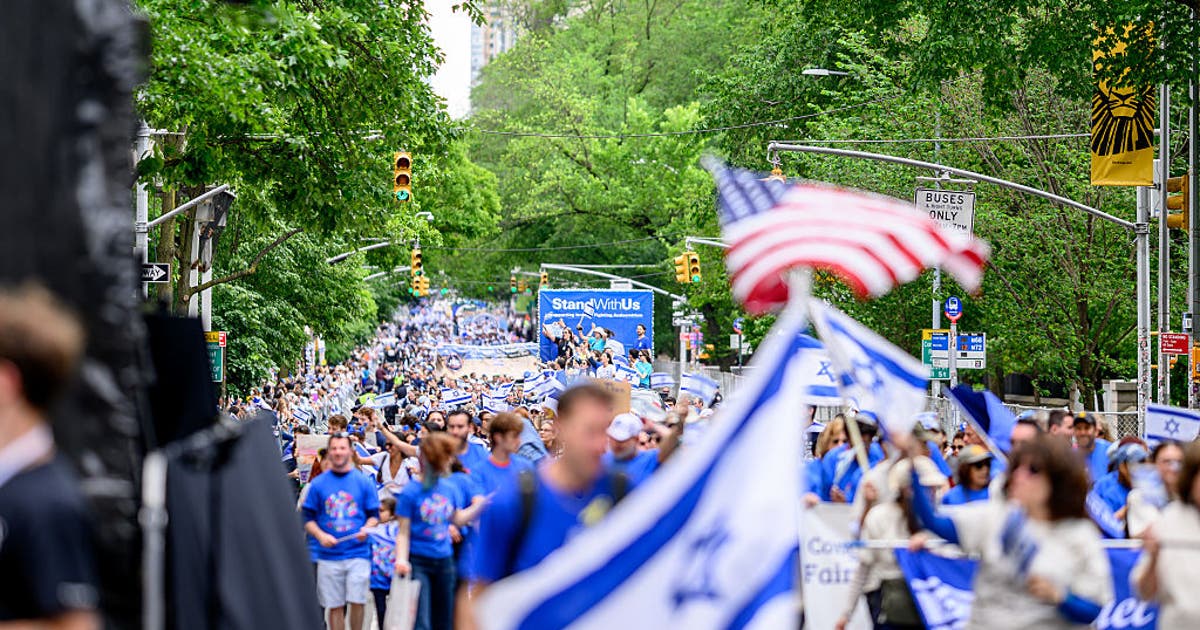
Despite the political tensions, the parade proceeded without major incident, thanks to an unprecedented security operation. The NYPD established a 10-block secure zone along Fifth Avenue, screening spectators at checkpoints and deploying barriers that stretched from 52nd to 74th Street. The precautions were a direct response to rising threats: antisemitic incidents in the U.S. surged by 36% in 2025, according to the Anti-Defamation League, and recent attacks in cities like New Orleans had heightened fears of violence during large gatherings.
For more on this story, see Mayor Mamdani Secures Cheap World Cup Tickets for NYC Residents.
NYPD Commissioner Jessica Tisch, who is Jewish, marched as a Grand Marshal alongside Hochul and former Mayor Eric Adams. “It is the mayor’s decision not to march,” Tisch said at police headquarters earlier in the week, “and it is my decision to march proudly.” Her presence was a deliberate counterpoint to Mamdani’s boycott, signaling that the city’s law enforcement would not be cowed by political divisions.
The security measures also reflected broader concerns about extremism. A delegation from Israel’s hardline government, including Finance Minister Bezalel Smotrich—a figure wanted by the International Criminal Court for alleged war crimes—attended the parade, marking his first U.S. visit since March 2025. The Israeli consulate in New York had not listed Smotrich as a participant, and the Jewish Community Relations Council said it was unaware of his attendance until he arrived. His presence added another layer of controversy to an already fraught event.
Political and Community Reactions to the Boycott
Mamdani’s boycott has already reshaped the political calculus in New York. For progressive activists, his stance aligns with a growing movement among U.S. mayors—including Los Angeles’ Karen Bass and Chicago’s Brandon Johnson—to adopt more critical views of Israel. But in New York, where Jewish voters make up a significant portion of the Democratic base, the backlash has been swift.
The Times of Israel reported that Mamdani’s absence was met with “a slap in the face” from Jewish leaders, while some spectators expressed outright hostility. “We don’t want him anyway,” Michael Cohen, a parade attendee, told ABC7 Eyewitness News. “If he doesn’t want to be here, but I think he’s making a political statement that is loud and clear.”
For Mamdani, the gamble may pay off with his progressive base, but it risks alienating a key constituency. Jewish voters in New York have historically been a reliable Democratic bloc, and polls suggest that even those critical of Israel’s government overwhelmingly support the state’s right to exist. Mamdani’s video and boycott could be seen as an attempt to signal solidarity with Palestinian rights—but without the nuance that might soften the blow to Jewish New Yorkers.
The fallout extends beyond politics. The parade’s organizers, the Jewish Community Relations Council, have faced pressure to distance themselves from Israeli government figures like Smotrich, whose presence at the event drew criticism from human rights groups. Meanwhile, Mamdani’s office has framed his absence as a principled stand, but the lack of a clear alternative—such as a separate event for Palestinian rights—has left some activists questioning whether his boycott is more about optics than substance.
Long-Term Implications for New York’s Political and Social Landscape
The immediate aftermath of the parade suggests that Mamdani’s decision has solidified rather than resolved the divisions in New York. Jewish leaders are unlikely to back down from their criticism, and Mamdani shows no signs of reversing course. In the short term, the focus will likely shift to the city’s upcoming budget debates, where Mamdani’s progressive allies in the City Council may push for funding cuts to police programs—seen by some as a direct response to the heavy-handed security at the parade.
Longer-term, Mamdani’s stance could have national implications. As more mayors adopt critical views of Israel, the question of how local governments balance free speech, human rights, and community cohesion will become more pressing. For now, New York remains a microcosm of that tension: a city where pride in Israel and support for Palestinian rights are increasingly seen as incompatible—even as both communities demand to be heard.
One thing is certain: the Israel Day Parade will not be the same without the mayor. But whether that absence unites or further fractures the city depends on who is listening—and who is willing to compromise.
